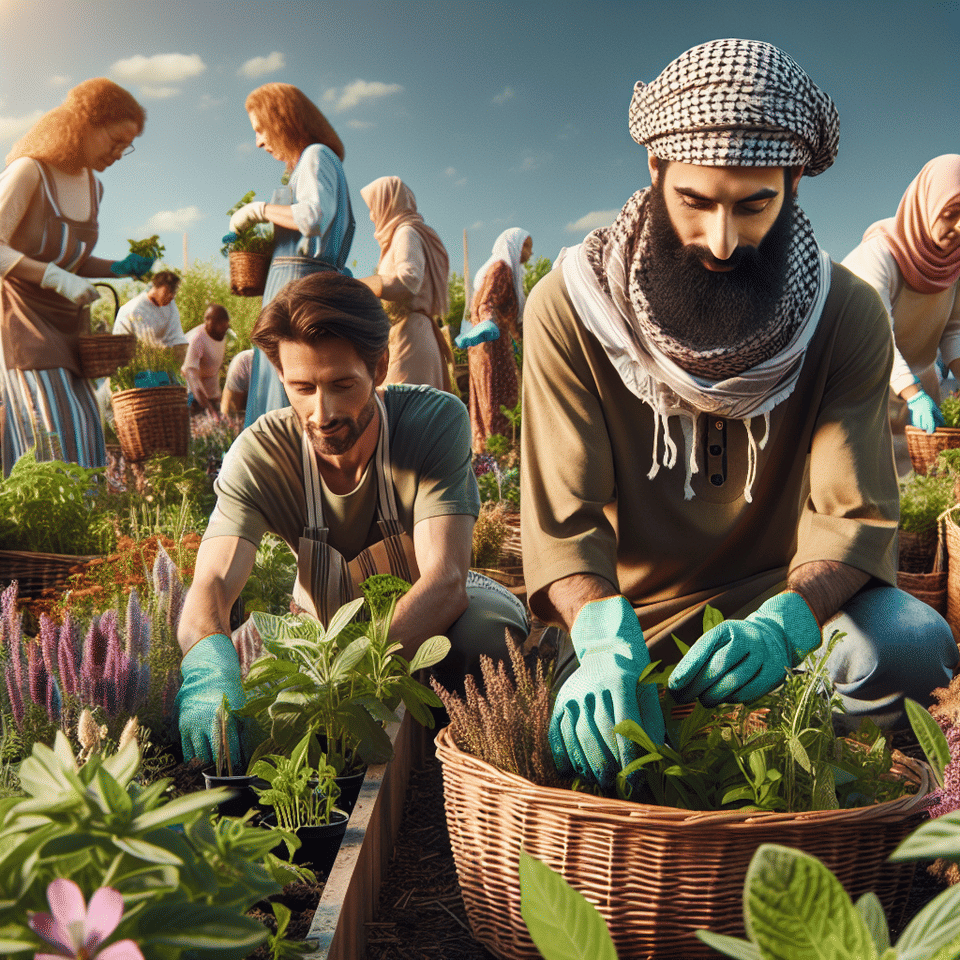

In an age where modern medicine dominates the landscape of healthcare, there is a growing community that turns towards the gentle, yet potent power of plants. Herbalism, the traditional medicinal practice of using plants and their extracts, has been a cornerstone of wellness for millennia. By supporting your local herbalist, you not only tap into this ancient wisdom but also contribute to a sustainable health ecosystem right in your neighborhood.
Why Your Local Herbalist is a Treasure Trove of Healing
The craft of the community herbalist is steeped in knowledge passed down through generations. These practitioners are more than just retailers; they are custodians of local plant lore, educators on natural remedies, and advocates for holistic well-being. When you engage with them, you're not just buying products; you're receiving personalized care that considers your unique constitution and lifestyle. This level of attention is something that's hard to find in the one-size-fits-all approach of conventional medicine.
Moreover, by choosing to support these local artisans, you're making an environmental statement. Local herbalists often source their herbs from nearby growers or cultivate them themselves, reducing the carbon footprint associated with long-distance transportation. You're also helping preserve biodiversity as these specialists tend to favor indigenous plants that are naturally suited to the local climate and soil.
The Impact of Choosing Local Herbs on Community Well-being
Every dollar spent with a local herbalist circulates within your community multiple times before leaving it. This multiplier effect creates jobs and fosters economic resilience. By supporting these small businesses, you're not just nurturing your own health; you're contributing to the vitality of your entire community. It's a powerful way to ensure that everyone has access to natural and affordable healthcare options.
Herbal Heroes
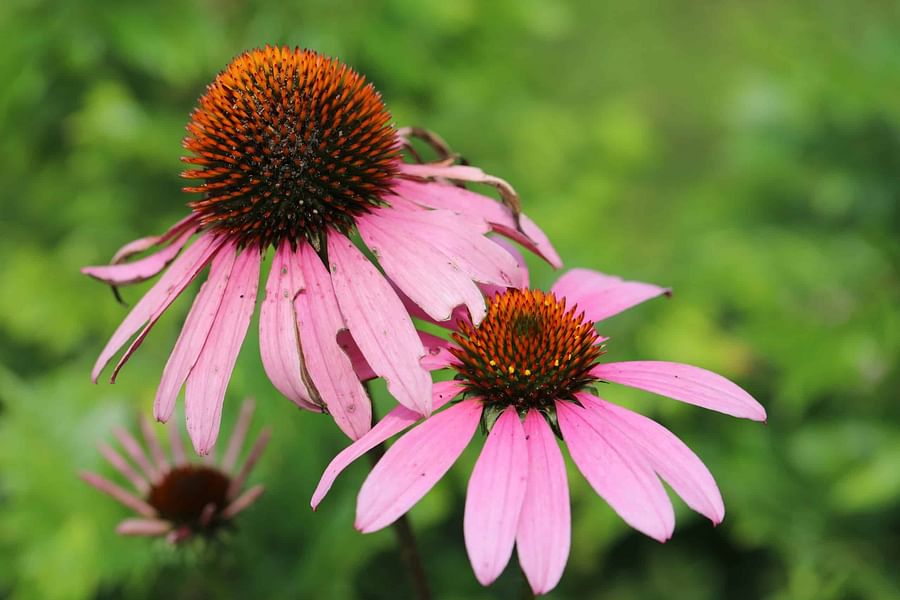
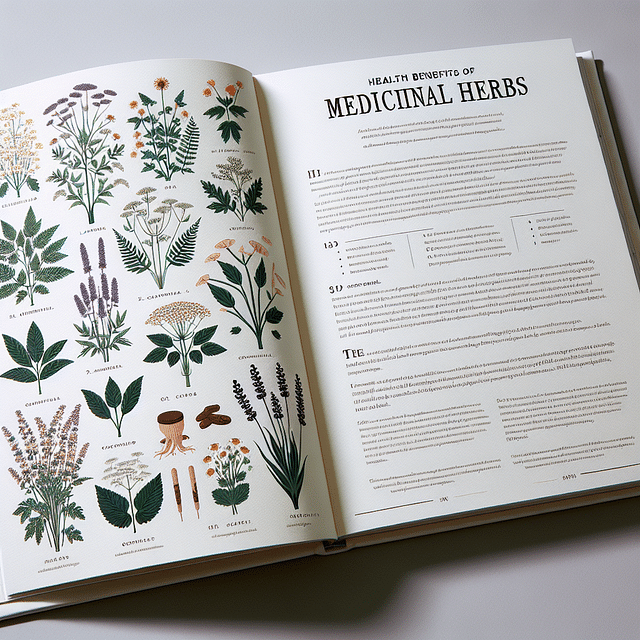
- Echinacea - Known for enhancing the immune system and fighting colds.
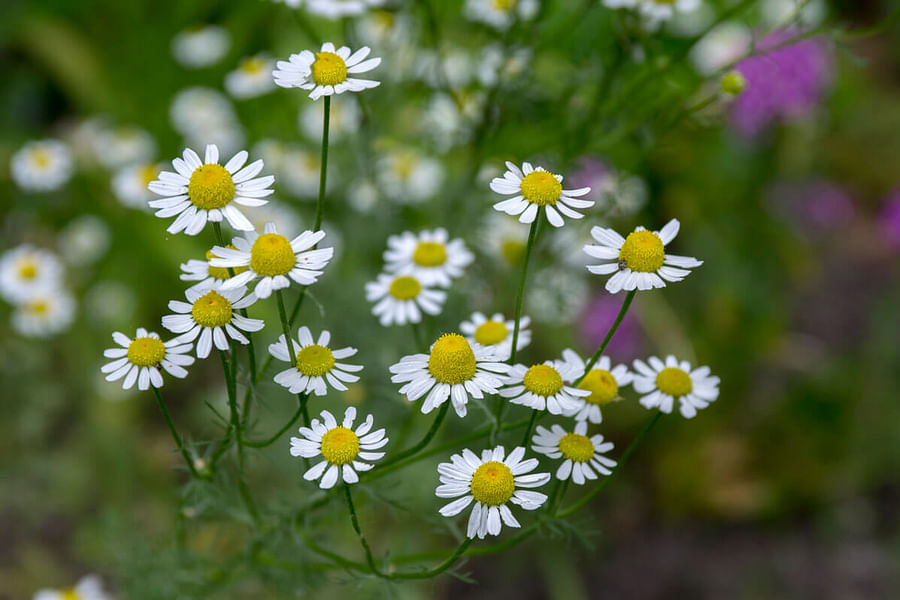
- Chamomile - A soothing herb, perfect for reducing anxiety and promoting sleep.
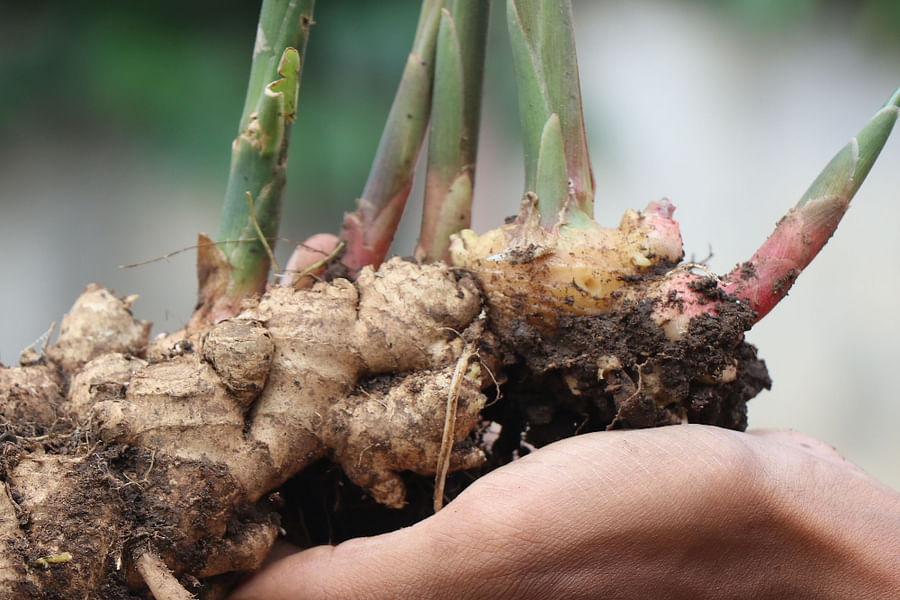
- Ginger - Celebrated for its anti-inflammatory properties and digestive aid.
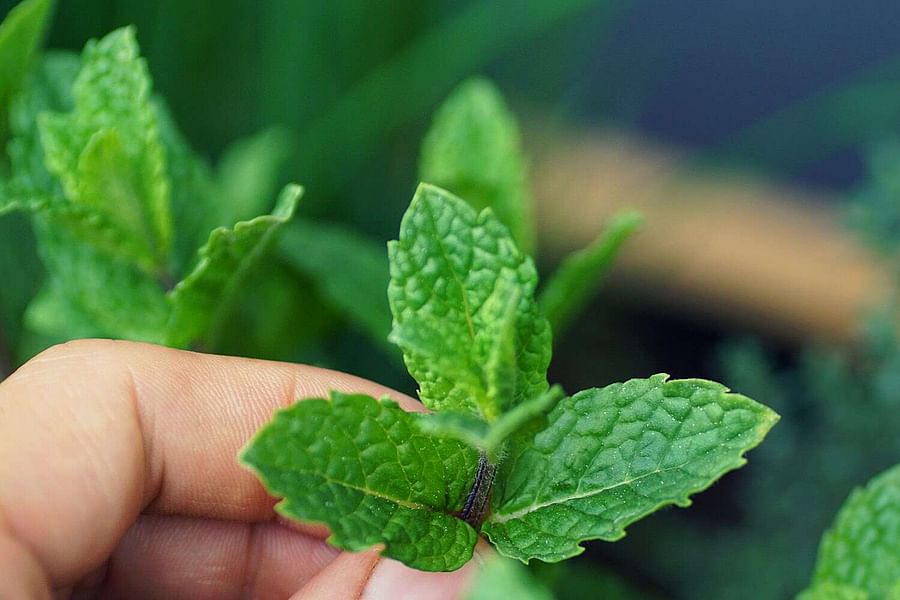
- Peppermint - Used to alleviate headaches and soothe digestive issues.
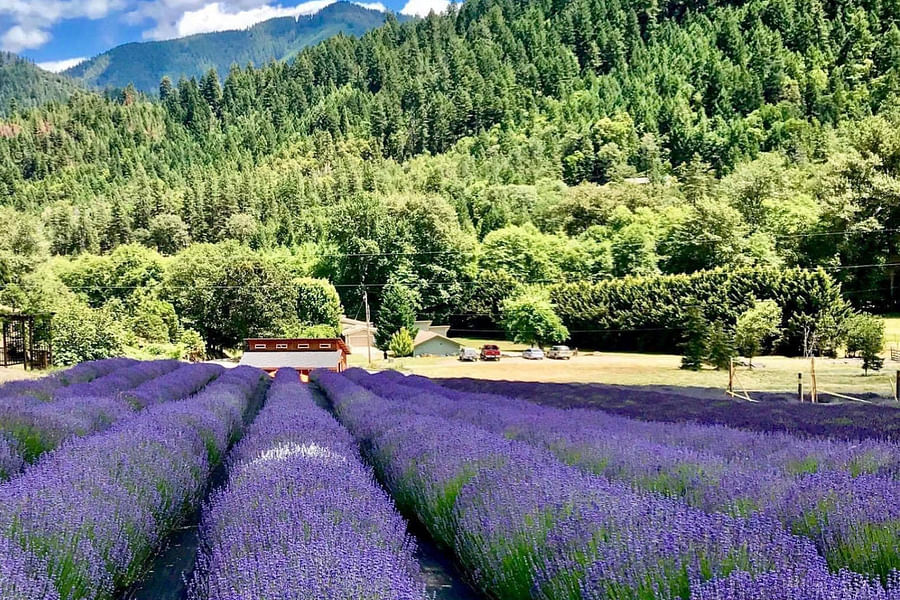
- Lavender - Esteemed for its calming scent and use in relieving stress.
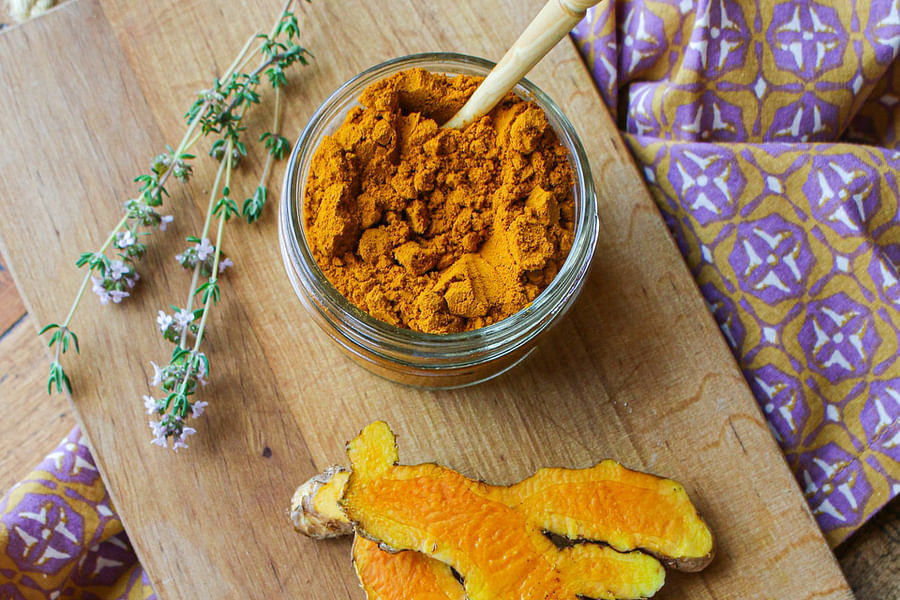
- Turmeric - Contains curcumin, a compound with powerful anti-inflammatory effects.
- Ginseng - An adaptogen that helps the body resist stressors of all kinds, physical and mental.
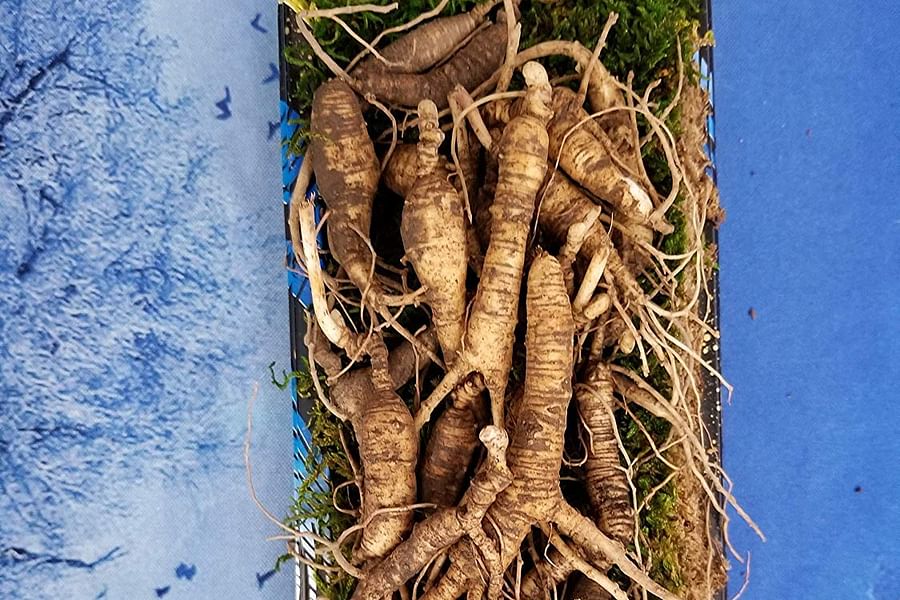
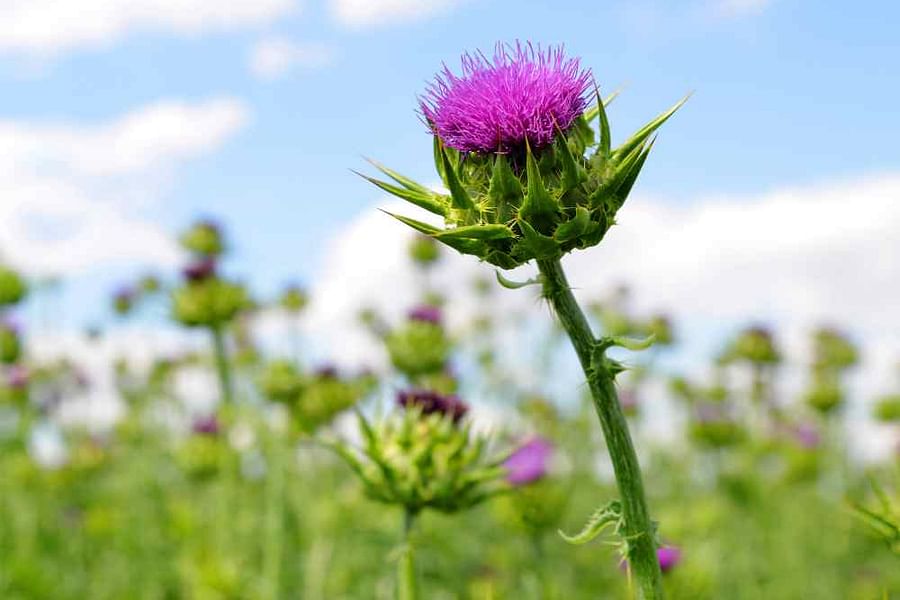
- Milk Thistle - Supports liver health and is often used as a detoxifying agent.
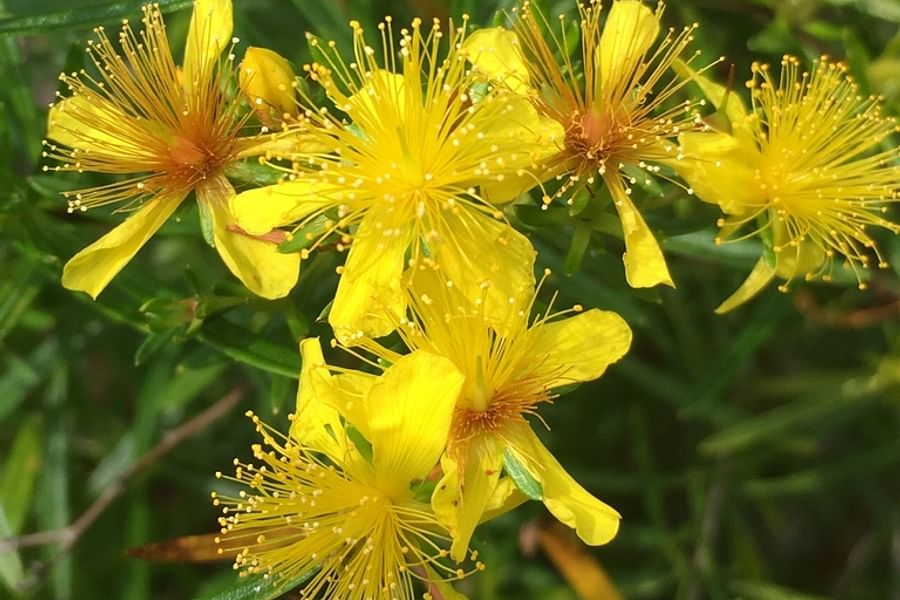
- St. John's Wort - Traditionally used for mood support and to treat mild to moderate depression.
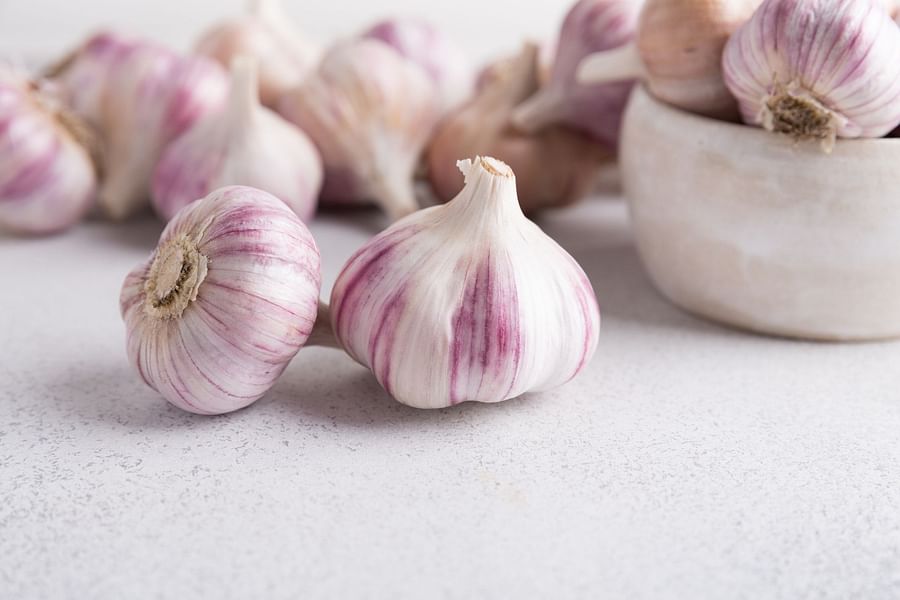
- Garlic - Offers cardiovascular benefits and is a potent natural antibiotic.
Beyond economics, there's also something deeply empowering about learning from someone who understands the nuances of your region's flora. Community herbalists often offer workshops or one-on-one sessions where they share their extensive knowledge about how to use herbs safely and effectively—a skill that can be passed down within families and communities for generations.
Building Relationships with Your Herbalist for Personalized Care
Fostering a relationship with your local herbalist can lead to more personalized care. They get to know you over time—your health challenges, preferences, and reactions to certain herbs—allowing them to tailor their recommendations specifically for you. This individualized approach can be particularly beneficial for those dealing with chronic conditions or seeking preventive care.
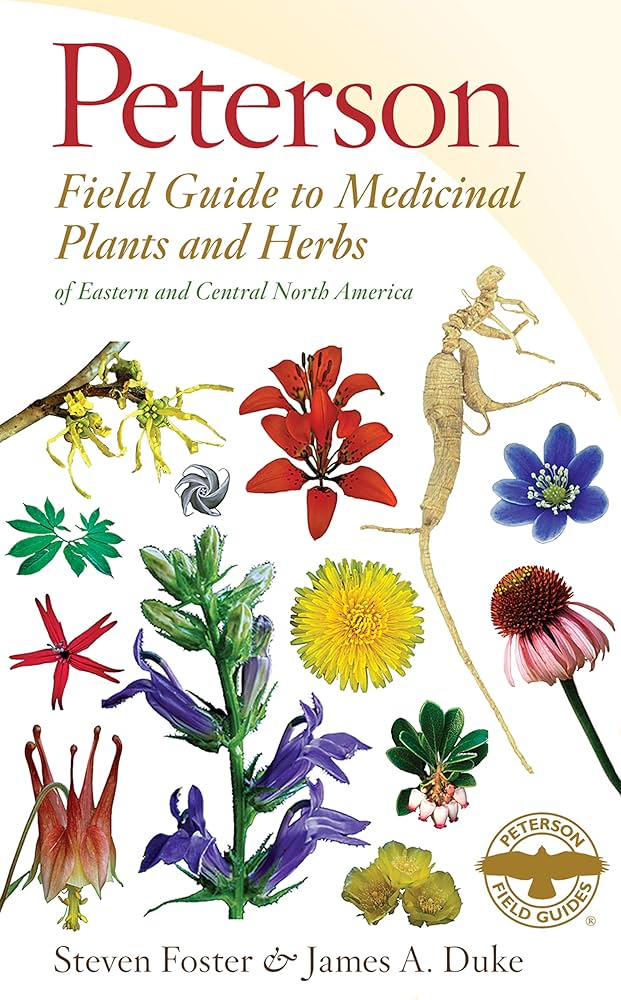
To truly integrate herbalism into your life for lasting benefit, it's essential to understand the basics yourself as well. Whether it's through reading up on herbal medicine encyclopedias, downloading guides like "The Healing Power of Herbs", or attending classes hosted by herbalists—there are ample resources available at your fingertips.
"In every walk with nature one receives far more than he seeks." – John Muir
- Finding the Right Expert Near You
- Support for Alternative Medicine
- Simple Steps to Transform Your Health with Herbalism
- Free Resources for Herbology Enthusiasts
- Crafting Your Own Herbal Remedies at Home
- Unleashing the Power of Nature’s Herbs in Everyday Life
The journey towards embracing plant-based healing is not only about personal well-being but also involves building stronger communities through shared knowledge and resources. As we continue exploring how we can support our local herbalists in part two of this article, remember that each visit, each purchase, each shared cup of tea made from locally grown herbs helps weave together the fabric of global healing—one rooted in community strength and natural wisdom.
What knowledge would you most like to gain from your community herbalist?
Select the option that best matches your interest in herbalism and community health.
Embracing the Herbal Community Through Education
The modern herbalist is not just a purveyor of plants but also an educator. By supporting your local herbalist, you're contributing to the spread of knowledge about traditional and contemporary herbal practices. Many community herbalists offer workshops and classes, which are perfect opportunities to deepen your understanding of herbalism. Whether it's learning about the basics of making tinctures or discovering how to grow medicinal herbs, these educational experiences are invaluable.
If you're looking to expand your knowledge even further, consider exploring our comprehensive resources. From understanding the foundations to advanced applications, our guides like "What is the Best Way to Learn About Herbalism?" and "How Can I Learn More About Medicinal Herbs and How to Use Them?" are excellent starting points for your journey.
Integrating Herbalism into Your Daily Life
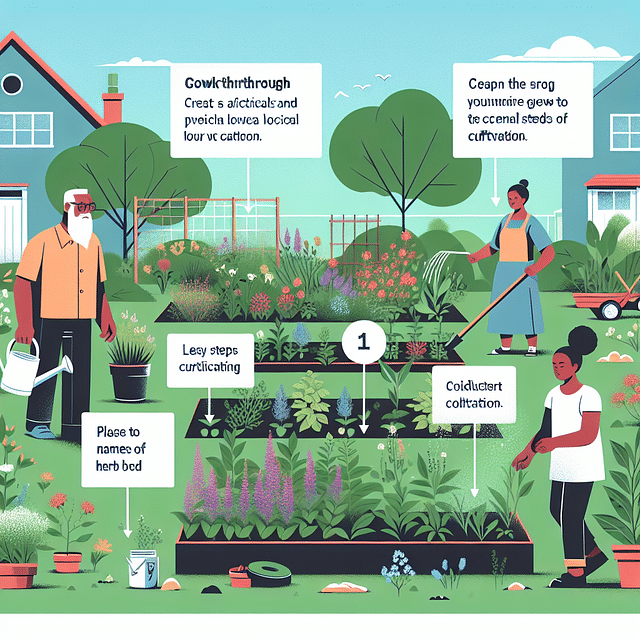
One of the most impactful ways to support your community herbalist is by integrating their products and teachings into your daily routine. This could be as simple as replacing your morning cup of coffee with a revitalizing herbal tea, or as involved as creating a personal herb garden. By making these small changes, you're not only benefiting from the healing properties of plants but also fostering a sustainable relationship with your local expert.
Herbal Harmony: Weaving Wellness into Your Meals
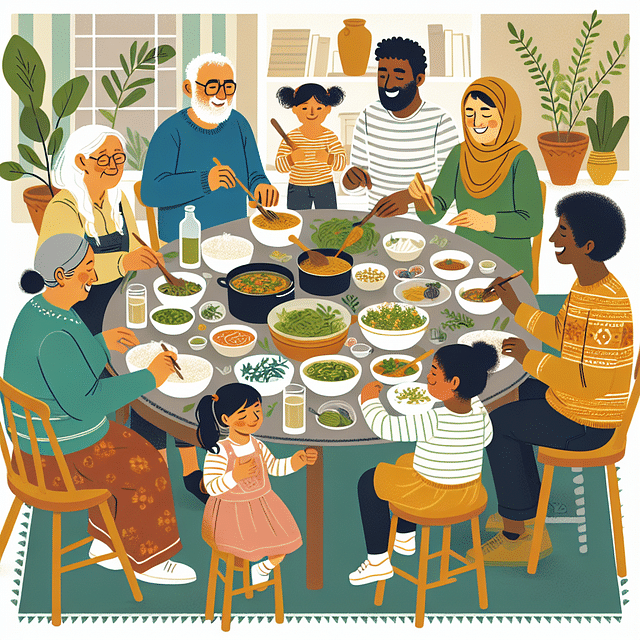
For those eager to embrace this lifestyle shift, our guide "Transform Your Health with Herbalism: Simple Steps to Get Started" offers practical advice on how you can make herbs part of your health regimen. And if you're curious about crafting your own remedies at home, don't miss out on our DIY section "DIY Phytotherapy: Crafting Your Own Herbal Remedies".
Celebrating Local Success Stories
The journey from plant to potion is filled with stories—stories of healing, tradition, and community. Celebrating these narratives is crucial in appreciating the value that herbalists bring to our lives. Take time to read testimonials or watch interviews with individuals who have experienced remarkable transformations thanks to herbal medicine.
Nature's Apothecary: Support Your Community Herbalist with These Finds
Inspired by these tales? You can find more heartwarming anecdotes in our article "Unleashing the Secret Power of Nature's Herbs in Everyday Life", which showcases the profound impact that natural remedies can have on various aspects of health and wellness.
"Herbs have been used for centuries not just because they are 'natural', but because they embody a powerful synergy with our own bodies that science continues to explore." – Dr. Basil Hawthorn
To truly appreciate the artistry behind each remedy, consider downloading our e-book "The Healing Power of Herbs from Local Witch Doctor", where I delve into the intricate relationships between herbs and health.
Incorporating practices supported by alternative medicine can be another avenue for embracing holistic well-being. If you're questioning whether these practices resonate with scientific evidence, take a look at "Is Alternative Medicine Supported on Local Witch Doctor?". It's important that we approach healing with an open mind while grounded in research.
Supporting local businesses has always been crucial for thriving communities, but when it comes to health and wellness, it becomes even more significant. By choosing local herbs over imported ones or attending classes hosted by community experts, we contribute not only to individual well-being but also foster economic sustainability within our neighborhoods.
To discover more about finding a qualified practitioner near you, visit "Want a Herbalist Near You? A Local Guide to Finding the Right Expert". Remember that every step you take towards supporting your local herbalist plants seeds for both personal health and community growth—a true embodiment of global healing rooted in local wisdom.

No comments yet. Be the first to share your thoughts!