

7 Powerful Herbal Tinctures for Winter Immune Support: Your Complete Guide to Natural Cold Prevention - Part 1
Understanding Herbal Tinctures for Immune Support
As winter approaches, strengthening your immune system naturally becomes a priority for maintaining optimal health. Herbal tinctures offer a concentrated, bioavailable form of plant medicine that can provide powerful immune support when cold and flu season arrives. These liquid extracts preserve the active compounds of medicinal herbs in alcohol or glycerin, making them easily absorbed by the body and convenient to use.
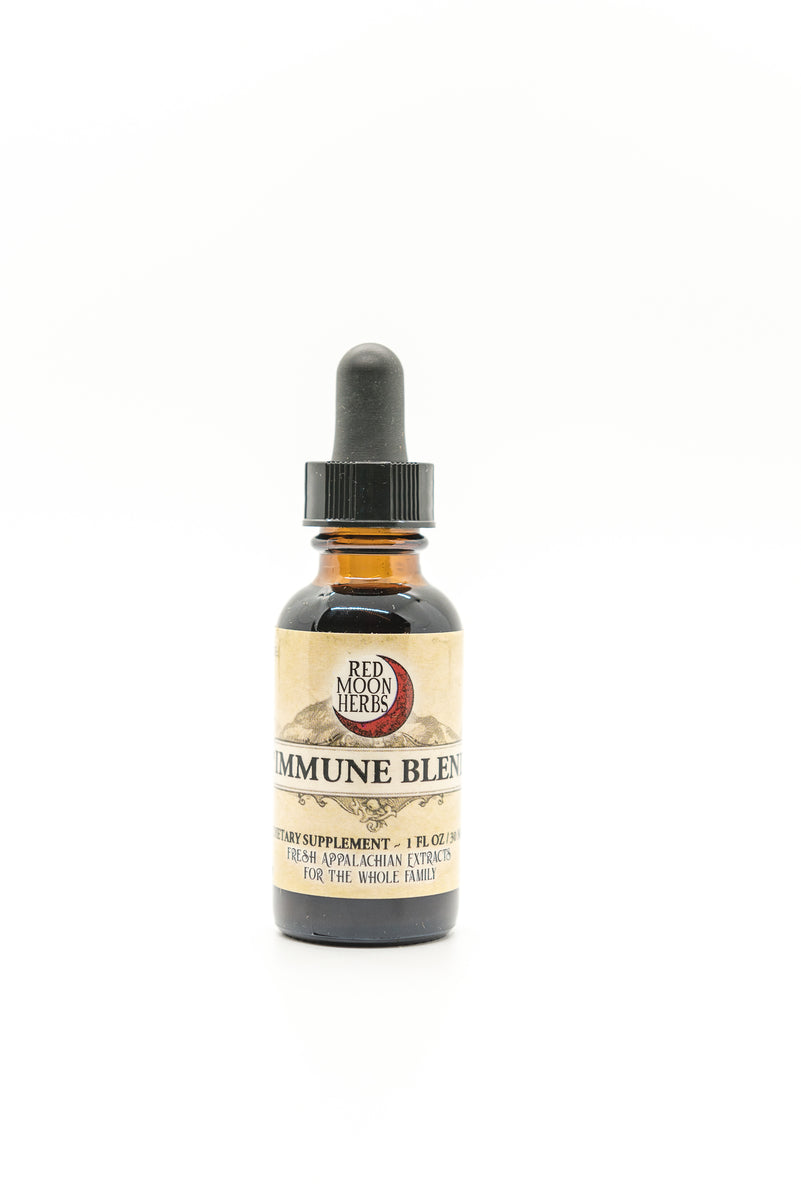
Tinctures have been used for centuries as a reliable method of herbal medicine delivery. Unlike teas or capsules, tinctures allow for precise dosing and rapid absorption through the mucous membranes in your mouth. This makes them particularly effective for immune support, as they can begin working within minutes of consumption.
The Science Behind Winter Immune Challenges
During winter months, several factors contribute to increased susceptibility to respiratory infections. Cold, dry air can compromise the protective barriers in your nasal passages and throat, while reduced sunlight exposure affects vitamin D production. Additionally, spending more time indoors increases exposure to airborne pathogens.
Natural immune support through herbal tinctures works by enhancing your body's innate defense mechanisms. These plant-based remedies can stimulate white blood cell activity, provide antioxidant protection, and support the lymphatic system's ability to clear toxins and pathogens.
Top 3 Essential Immune-Supporting Tinctures
1. Echinacea Tincture: The Immune System Activator
Echinacea purpurea stands as one of the most researched herbs for immune support. As of April 2026, clinical studies continue to demonstrate echinacea's ability to stimulate white blood cells and enhance the body's natural immune response. The herb works by boosting macrophage activity and cytokine production, which are crucial components of your immune system's first line of defense.
Research indicates that echinacea tincture is most effective when taken at the first sign of cold or flu symptoms. Regular use during high-risk periods can reduce both the severity and duration of acute respiratory infections. The recommended dosage is typically 1-2 droppers full (30-60 drops) taken 3-4 times daily at the onset of symptoms.
2. Elderberry Tincture: Antiviral Powerhouse
Elderberry (Sambucus canadensis) has gained significant recognition for its potent antiviral properties and ability to support respiratory health. The deep purple berries contain powerful anthocyanins and flavonoids that help inhibit viral replication and reduce inflammation in the respiratory tract.
Studies have shown that elderberry can reduce the duration of flu symptoms by up to 4 days when taken within 48 hours of symptom onset. The tincture form provides concentrated benefits and can be easily incorporated into daily routines. A typical dose ranges from 1-3 droppers full daily for prevention, increasing to every 2-3 hours during active illness.
3. Astragalus Root Tincture: Long-term Immune Building
Astragalus membranaceus offers a different approach to immune support, focusing on long-term immune system strengthening rather than acute symptom relief. This adaptogenic herb has been used in Traditional Chinese Medicine for over 2,000 years to build constitutional strength and enhance resistance to illness.
Unlike echinacea, which is best used short-term during illness, astragalus can be taken continuously throughout the winter season. It works by supporting the production of immune cells and enhancing the body's ability to adapt to stress, which is often a contributing factor to compromised immunity.
Preparing for Tincture Use
Before incorporating herbal tinctures into your winter wellness routine, it's important to understand proper usage guidelines and safety considerations. Always consult with a healthcare provider, especially if you're taking medications or have underlying health conditions.
Quality matters significantly when choosing herbal tinctures. Look for products that specify the herb-to-menstruum ratio, use organic or wildcrafted herbs, and provide third-party testing results. Proper storage in dark, cool conditions will maintain potency throughout the winter season.
The Top 7 Winter Immune Support Tinctures
Building on our understanding of herbal tinctures, let's explore the seven most effective options for winter immune support. Each of these natural remedies offers unique benefits and can be incorporated into your seasonal wellness routine.
1. Echinacea Tincture - The Immune System Activator
Echinacea purpurea stands as one of the most researched herbs for immune support. This powerful tincture works by stimulating white blood cell production and enhancing macrophage activity. Clinical studies demonstrate that echinacea can reduce the severity of acute respiratory infections and shorten cold duration by up to 1.4 days when taken at the first sign of symptoms.
The key compounds in echinacea, including alkamides and polysaccharides, trigger immune responses that help your body recognize and combat pathogens more effectively. For optimal results, take 1-2 droppers full of echinacea tincture three times daily at the onset of cold symptoms.
2. Elderberry Tincture - Nature's Antiviral Powerhouse
Elderberry (Sambucus canadensis) has gained significant recognition for its potent antiviral properties. Rich in anthocyanins and flavonoids, elderberry tincture can reduce the duration of flu symptoms by up to 4 days. Research shows that elderberry compounds bind to viral proteins, preventing viruses from entering healthy cells.
The deep purple berries contain high levels of vitamin C and antioxidants that support overall immune function. Take 1 teaspoon of elderberry tincture daily as a preventive measure, or increase to 1 tablespoon three times daily when feeling unwell.
3. Astragalus Root Tincture - The Long-Term Immune Builder
Astragalus membranaceus offers adaptogenic properties that help build long-term immune resilience. Unlike herbs that provide acute immune stimulation, astragalus works gradually to strengthen your body's natural defenses. This makes it ideal for daily use throughout winter months.
Traditional Chinese Medicine has used astragalus for over 2,000 years to enhance qi and support lung function. Modern research confirms its ability to increase T-cell activity and improve resistance to respiratory infections. Take 2-3 droppers full daily for sustained immune support.
4. Reishi Mushroom Tincture - The Stress-Fighting Immune Modulator
Ganoderma lucidum, known as the "mushroom of immortality," provides unique immune-modulating benefits. Reishi contains beta-glucans that help regulate immune responses, preventing both under-activity and overreaction. This dual-action makes reishi particularly valuable during stressful periods when immune function may be compromised.
The triterpenes in reishi also support liver detoxification and stress adaptation, creating optimal conditions for immune function. Take 1-2 droppers full twice daily, preferably in the evening due to its calming properties.
5. Propolis Tincture - The Natural Antibiotic
Bee propolis serves as nature's antibiotic, offering broad-spectrum antimicrobial properties. This resinous substance contains over 300 active compounds, including flavonoids and phenolic acids that demonstrate antibacterial, antiviral, and antifungal effects.
Propolis tincture excels at supporting throat health and respiratory function. Its antimicrobial action helps prevent secondary bacterial infections that often follow viral illnesses. Use 10-15 drops in warm water as a gargle, or take internally at the first sign of throat irritation.
6. Ginger Root Tincture - The Circulation and Digestion Enhancer
Zingiber officinale provides warming properties that support circulation and digestive health - both crucial for optimal immune function. Ginger's active compounds, including gingerols and shogaols, demonstrate anti-inflammatory and antimicrobial effects while promoting healthy blood flow to extremities.
Good circulation ensures immune cells can travel efficiently throughout the body, while healthy digestion supports the gut microbiome that houses 70% of immune function. Take 1/2 to 1 teaspoon of ginger tincture before meals to support both digestion and circulation.
7. Schisandra Berry Tincture - The Five-Flavor Adaptogen
Schisandra chinensis, known as the "five-flavor fruit," offers comprehensive adaptogenic support for stress resilience and immune function. This unique berry supports liver detoxification, enhances mental clarity, and helps the body adapt to environmental stressors that can compromise immunity.
Research indicates that schisandra can improve resistance to infections while supporting overall vitality. The lignans in schisandra berries protect cells from oxidative stress and support healthy inflammatory responses. Take 1-2 droppers full daily for adaptogenic support.
These seven herbal tinctures provide a comprehensive approach to winter immune support, each offering unique mechanisms of action that work synergistically to maintain optimal health during challenging seasonal conditions.
Creating Your Winter Wellness Protocol
Now that you understand the seven most powerful herbal tinctures for winter immune support, it's time to develop a comprehensive protocol that maximizes their effectiveness. Creating a structured approach to using these natural immune support remedies ensures you get the most benefit throughout the cold season.
Your Complete Winter Immune Support Checklist
Before beginning any herbal tincture regimen, it's essential to have a systematic approach. This checklist will guide you through the preparation and implementation of your winter herbal remedies protocol.
DIY Immune-Boosting Tincture Recipes
Creating your own herbal tinctures allows you to customize potency and combine complementary herbs for enhanced cold prevention benefits. These recipes focus on the most effective winter herbal remedies using accessible ingredients.
Echinacea-Elderberry Immune Blend
This powerful combination leverages the immune-modulating properties of echinacea tincture with the antiviral benefits of elderberry. Research shows that echinacea stimulates white blood cell activity while elderberry blocks viral replication, making this blend particularly effective for cold prevention.
Triple-Root Immunity Tincture
Combining astragalus, ginger, and turmeric creates a warming, anti-inflammatory blend perfect for winter immune support. This recipe emphasizes the synergistic effects of these three powerful roots in supporting respiratory health and overall immunity.
Step-by-Step Tincture Making Guide
Making your own herbal tinctures is more straightforward than many people assume. This comprehensive guide walks you through the entire process, from selecting quality herbs to proper extraction techniques.
Dosage Guidelines and Safety Considerations
Proper dosing is crucial for both effectiveness and safety when using natural immune support tinctures. Most adults can safely take 1-3 droppers full of tincture 2-3 times daily during cold and flu season. However, individual needs may vary based on body weight, health status, and specific herbs used.
For echinacea tincture specifically, research suggests taking it at the first sign of symptoms rather than as a long-term preventive measure. Studies indicate that echinacea is most effective when used for 7-10 days at symptom onset, with breaks between usage periods to maintain immune system responsiveness.
Quality Matters: Choosing the Right Products
When purchasing ready-made tinctures, quality should be your primary concern. Look for products that specify the herb-to-alcohol ratio, use organic ingredients, and provide clear potency information. Third-party testing for purity and potency adds an extra layer of assurance.
Combining Tinctures with Lifestyle Practices
While herbal tinctures provide powerful immune support, they work best as part of a comprehensive winter wellness approach. Adequate sleep, regular exercise, stress management, and proper nutrition all contribute to optimal immune function. Consider these winter herbal remedies as one component of your overall health strategy.
Timing your tincture intake can also enhance effectiveness. Taking immune-supporting herbs on an empty stomach typically improves absorption, while warming herbs like ginger are often better tolerated with food.
Frequently Asked Questions
Many people have questions about incorporating herbal tinctures into their winter wellness routine. Understanding common concerns helps ensure safe and effective use of these natural immune support tools.
Building Long-Term Immune Resilience
The goal of using winter herbal remedies extends beyond immediate cold prevention. Regular use of appropriate herbs can help build long-term immune resilience, making your body better equipped to handle seasonal challenges year after year.
Consider rotating different tinctures throughout the season to prevent tolerance and provide varied nutritional support. For example, you might use astragalus for general immune building in early winter, switch to echinacea at the first sign of illness, and incorporate elderberry during peak cold and flu season.
Remember that consistency matters more than perfection. Even taking your chosen herbal tinctures most days will provide significant benefits compared to sporadic use. Start with one or two tinctures that appeal to you most, then gradually expand your protocol as you become more comfortable with these natural immune support methods.
No comments yet. Be the first to share your thoughts!