

Distinguish Healers From Fraud
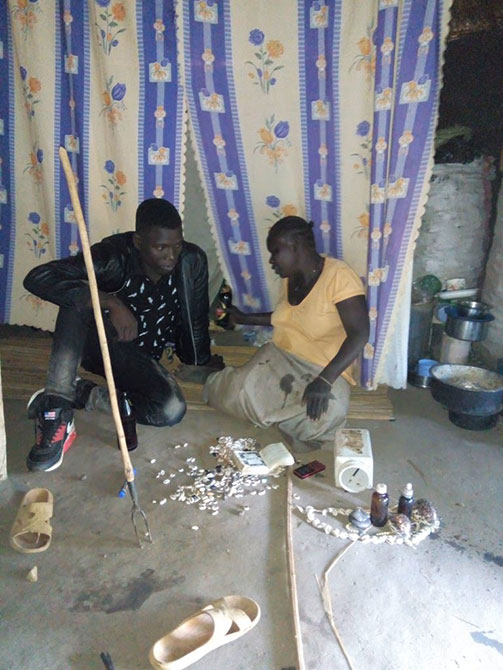
Finding a local witch doctor for herbal tinctures requires separating traditional community healers from modern commercial operators. The term "witch doctor" is an exonym applied by European observers to indigenous practitioners in Africa, Central America, and other regions who integrate spiritual beliefs with medicinal practices [1]. These traditional healers, often called native doctors or shamans, operate within established community networks rather than through mass-market advertising [2].
The primary risk in this search is encountering psychic frauds. Many online listings labeled as "witch doctors" are actually commercial spiritual services selling psychics readings or curses. True traditional herbalists focus on plant-based remedies and holistic health within a cultural context. They do not typically advertise on generic directory sites or use high-pressure sales tactics common in the psychic industry.
To verify legitimacy, look for practitioners who are recommended by local community members or who have a visible, long-standing presence in their neighborhood. Authentic healers often work alongside other traditional practitioners and may have ties to local cultural centers or churches. Avoid anyone who insists on large upfront payments for remote healing or who cannot provide references from previous clients.
When seeking herbal tinctures, prioritize healers who can clearly explain the source and preparation of their ingredients. A legitimate practitioner will discuss the specific plants used, their traditional applications, and any potential interactions with conventional medicine. This transparency is a key indicator of a genuine traditional healer rather than a fraudulent operator.
Verify local community roots
Authentic traditional healers do not rely on search engine rankings or Instagram followers to build their practice. Their credibility is anchored in physical presence and long-standing relationships within a specific neighborhood or village. To find a legitimate practitioner for herbal tinctures, you must look beyond digital footprints and verify their standing in the local community.
Check for a physical consultation space
Legitimate healers operate from a fixed location, whether it is a dedicated clinic, a shop front, or a recognized home practice. This physical anchor allows you to verify their address and observe their daily operations. Avoid practitioners who insist on meeting in neutral, transient locations like public parks or hotels, as this often indicates a lack of established community ties or an attempt to avoid accountability.
Observe interactions with regular clients
Visit the location at different times of day. Look for evidence of a consistent clientele. Are there regulars waiting outside? Do the people entering and leaving appear to be locals rather than tourists? A genuine traditional healer serves the community’s ongoing health needs, which creates a visible pattern of daily traffic and familiarity among neighbors.
Consult local elders and business owners
In many regions, traditional healing is integrated into the social fabric. Speak with local shop owners, elders, or community leaders about the practitioner. They can provide informal vetting that no online review can match. If the community respects the healer, they will speak of them by name and describe their reputation for accuracy and care.
Verify ingredient sourcing transparency
When you meet the practitioner, ask where their herbal materials come from. Authentic healers often have direct relationships with local foragers or farmers. They can trace the origin of their plants and explain their harvesting methods. This transparency is a strong indicator of a practitioner who is deeply embedded in the local ecosystem and adheres to traditional ecological knowledge.
Trust local word-of-mouth over online ads
Digital advertising is a poor indicator of traditional healing legitimacy. Many fraudulent operators use paid ads to target outsiders seeking quick solutions. Rely instead on referrals from people who live in the area. If you cannot find a local reference, the practitioner likely lacks the deep community roots required for authentic traditional practice.
Assess herbal preparation methods
Before accepting any herbal tincture, you must verify how the practitioner prepares the medicine. The extraction method dictates the tincture's potency, shelf life, and suitability for specific health needs. A practitioner who cannot explain their process or uses inconsistent bases is a red flag. Professional herbalists use standardized methods to ensure safety and efficacy.
Understand the extraction base
The liquid used to extract compounds from herbs changes the tincture's character. Alcohol is the most common base because it extracts a wide range of medicinal compounds and preserves the tincture for years. Vinegar is an alternative for those who cannot consume alcohol, but it has a shorter shelf life and extracts fewer compounds. Glycerin is a sweet, alcohol-free option suitable for children or those avoiding alcohol, though it is less potent and has a shorter shelf life.
Compare preparation methods
Use this table to compare the primary bases used in traditional herbal tinctures.
| Base | Potency | Shelf Life | Best For |
|---|---|---|---|
| Alcohol | High | 2-5 years | Adults, general use |
| Vinegar | Medium | 3-6 months | Those avoiding alcohol |
| Glycerin | Low-Medium | 1-2 years | Children, alcohol-free needs |
Verify storage and labeling
Proper storage preserves the tincture's integrity. Dark glass bottles protect the liquid from light degradation. The label should clearly state the herb name, the base used, the date of preparation, and the practitioner's contact information. If the tincture is cloudy or has an off smell, it may be spoiled. Always store tinctures in a cool, dark place.
Check safety and interaction risks
Herbal medicine is not inherently benign simply because it comes from the earth. Plants contain potent bioactive compounds that can interfere with prescription medications, alter blood chemistry, or trigger severe allergic reactions. Before accepting any tincture, you must verify the safety profile of every ingredient against your current health status. This step is non-negotiable for anyone taking blood thinners, antidepressants, or medications for heart conditions.
Start by reviewing the ingredient list provided by the healer. Cross-reference each herb with the National Institutes of Health’s Office of Dietary Supplements or the Mayo Clinic’s drug interaction database. Look specifically for known contraindications. For example, St. John’s Wort is widely known to reduce the effectiveness of many pharmaceuticals, while ginkgo biloba can increase bleeding risks when combined with anticoagulants. If the healer cannot provide a clear list of ingredients, treat this as a major red flag and discontinue the consultation.
Bring a complete list of all your current medications and supplements to your appointment. Do not rely on memory. A qualified practitioner will ask for this information voluntarily; if they do not, you must provide it. This allows them to identify potential clashes between the herbal tincture and your existing regimen. Be honest about any chronic conditions, pregnancy status, or recent surgeries, as these factors drastically change what is safe to consume.
If the healer dismisses your concerns or insists that "natural means safe," find a different provider. Responsible traditional medicine practitioners respect modern medical data and work collaboratively with your healthcare team. They should be willing to discuss specific interactions and adjust their formulas to avoid harm.
-
List every prescription medication and supplement you currently take
-
Note any known allergies to plants or foods
-
Identify any chronic conditions (e.g., diabetes, hypertension, autoimmune disorders)
-
Prepare questions about potential interactions with your current drugs
-
Ask the healer for a full ingredient list before purchasing
Compile a detailed list of all medications, dosages, and supplements. Include over-the-counter drugs and vitamins. This document is your primary tool for identifying risks.
Use reputable medical databases to check for known interactions. Look for warnings specific to your conditions. Do not rely on general wellness blogs for this data.
Present your list and research. Observe their reaction. A good healer will adjust the formula or advise you to consult your doctor. A bad healer will dismiss your concerns.
Common questions about traditional healers
Finding the right practitioner requires distinguishing between similar roles and understanding where these traditions are practiced. The term "witch doctor" is often a colonial label applied broadly to various indigenous healers, but the specific roles differ significantly.
No comments yet. Be the first to share your thoughts!