
7 Powerful Herbal Tinctures for Winter Immune Support: Your Local Witch Doctor's Complete Guide - Part 1
As the days grow shorter and temperatures drop, our bodies face increased challenges from seasonal illnesses and environmental stressors. Winter immune support becomes essential for maintaining optimal health throughout the colder months. Herbal tinctures represent one of nature's most concentrated and effective delivery systems for immune-boosting compounds, offering a time-tested approach to winter wellness.
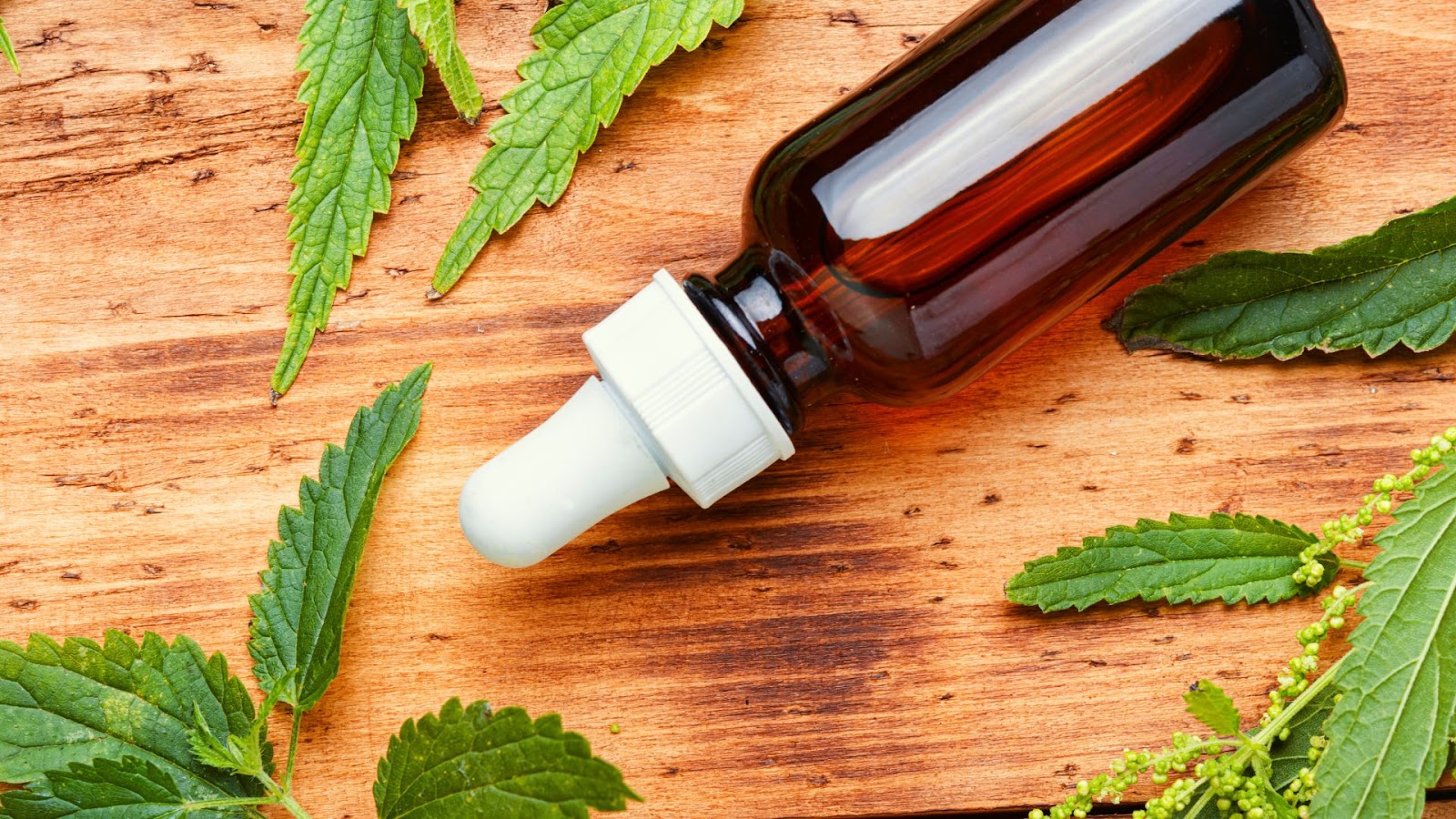
Tinctures are liquid herbal extracts created by steeping medicinal plants in alcohol or glycerin for several weeks. This process draws out the plant's active constituents, creating a potent concentrate that's easily absorbed by the body. Unlike teas or capsules, tinctures offer superior bioavailability and longer shelf life, making them ideal for consistent winter immune support.
Understanding Winter Immune Challenges
Winter presents unique challenges to our immune systems. Reduced sunlight exposure leads to vitamin D deficiency, while dry indoor air and close quarters facilitate the spread of respiratory infections. Cold weather stress, holiday indulgences, and disrupted sleep patterns further compromise our natural defenses. Herbal tinctures provide targeted support during these vulnerable months.
The immune system requires specific nutrients and compounds to function optimally. Antioxidants neutralize free radicals that damage immune cells, while adaptogens help the body manage stress responses. Anti-inflammatory compounds reduce excessive immune reactions, and antimicrobial properties provide direct protection against pathogens.
The Science Behind Herbal Immune Support
Modern research validates many traditional uses of immune-supporting herbs. Elderberry contains anthocyanins and flavonoids that inhibit viral replication and reduce inflammation. Echinacea stimulates white blood cell production and enhances immune cell activity. Astragalus polysaccharides modulate immune responses and support cellular energy production.
These compounds work synergistically within each plant and can be combined strategically for enhanced effects. Quality tinctures preserve these delicate relationships while concentrating active constituents for maximum therapeutic benefit.
Elderberry Tincture: The Winter Warrior
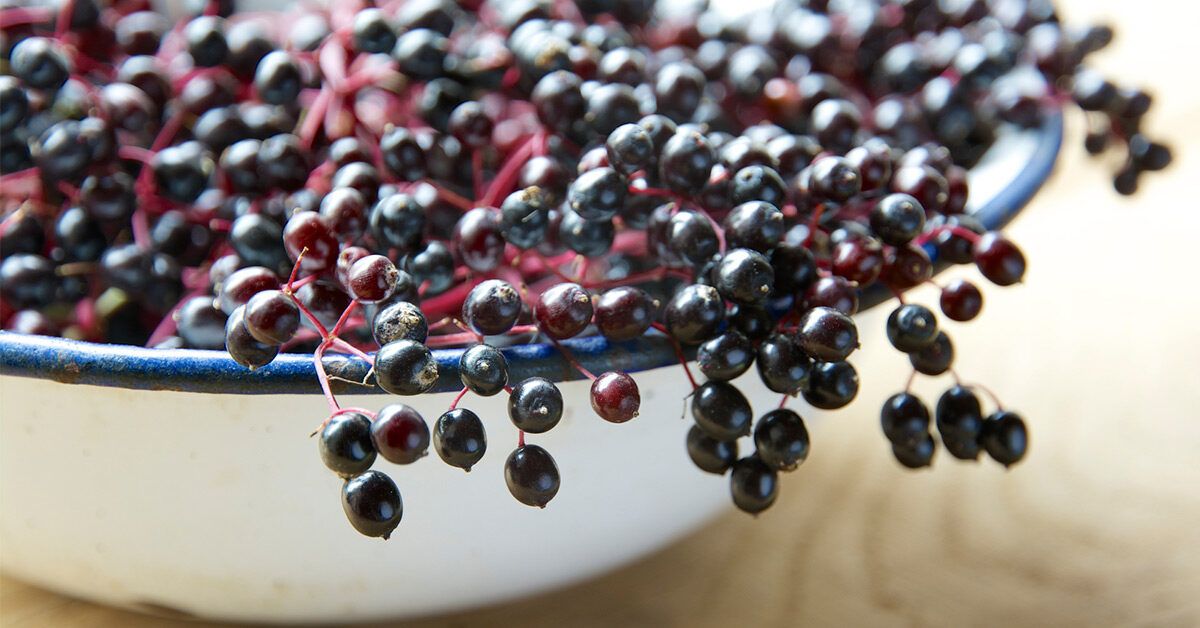
Elderberry stands as perhaps the most researched and respected immune-supporting herb for winter use. Rich in vitamin C, anthocyanins, and flavonoids, elderberry tincture offers both preventive and therapeutic benefits against seasonal illnesses.
Clinical studies demonstrate elderberry's ability to reduce the duration and severity of cold and flu symptoms. The deep purple berries contain compounds that prevent viral particles from entering cells while supporting the body's natural antiviral responses. Regular use throughout winter can significantly reduce infection rates.
When selecting elderberry products, ensure you're using Sambucus nigra (European elderberry) rather than other elderberry species. The berries should be properly processed, as raw elderberries can cause digestive upset. Quality elderberry tinctures exhibit a deep purple color and characteristic sweet-tart flavor.
Echinacea: The Immune System Activator
Echinacea purpurea has earned its reputation as a premier immune-supporting herb through centuries of traditional use and extensive modern research. This purple coneflower native to North America contains unique compounds called alkylamides that stimulate immune cell activity and enhance the body's natural defense mechanisms.
Unlike some immune herbs that work best as daily tonics, echinacea excels as an acute intervention. Taking echinacea tincture at the first sign of illness can help the body mount a more effective immune response, potentially preventing full-blown infections or reducing their severity and duration.
The key to echinacea's effectiveness lies in timing and quality. Fresh plant tinctures typically provide superior results compared to dried herb preparations. The characteristic tongue-tingling sensation when taking echinacea tincture indicates the presence of active alkylamides.
Advanced Herbal Tinctures for Deep Winter Protection
Building upon the foundational immune-supporting herbs, let's explore four additional powerful tinctures that provide specialized winter protection. These herbal allies work through different mechanisms to create a comprehensive defense system against seasonal challenges.

4. Astragalus Root (Astragalus membranaceus)
Astragalus stands as one of the most revered adaptogenic herbs in traditional Chinese medicine. Unlike herbs that stimulate immediate immune responses, astragalus works as a deep immune tonic, gradually building your body's resilience over time. This golden-rooted herb contains polysaccharides and saponins that enhance white blood cell activity and support the body's natural defense mechanisms.
The beauty of astragalus lies in its gentle, sustained action. Regular use throughout winter months helps maintain optimal immune function rather than providing acute intervention. Research suggests astragalus may increase the production of interferon, a protein that helps cells resist viral invasion.
Astragalus Immune-Building Tincture Recipe
5. Reishi Mushroom (Ganoderma lucidum)
Known as the "mushroom of immortality," reishi offers profound immune-modulating properties that make it invaluable for winter wellness. This adaptogenic fungus contains beta-glucans and triterpenes that help regulate immune responses, ensuring your system responds appropriately to threats without becoming overactive.
Reishi tinctures provide sustained energy and stress resilience, crucial factors during the demanding winter months. Unlike stimulating herbs, reishi promotes calm alertness while supporting deep, restorative sleep – essential for immune recovery and regeneration.
6. Pine Needle (Pinus species)
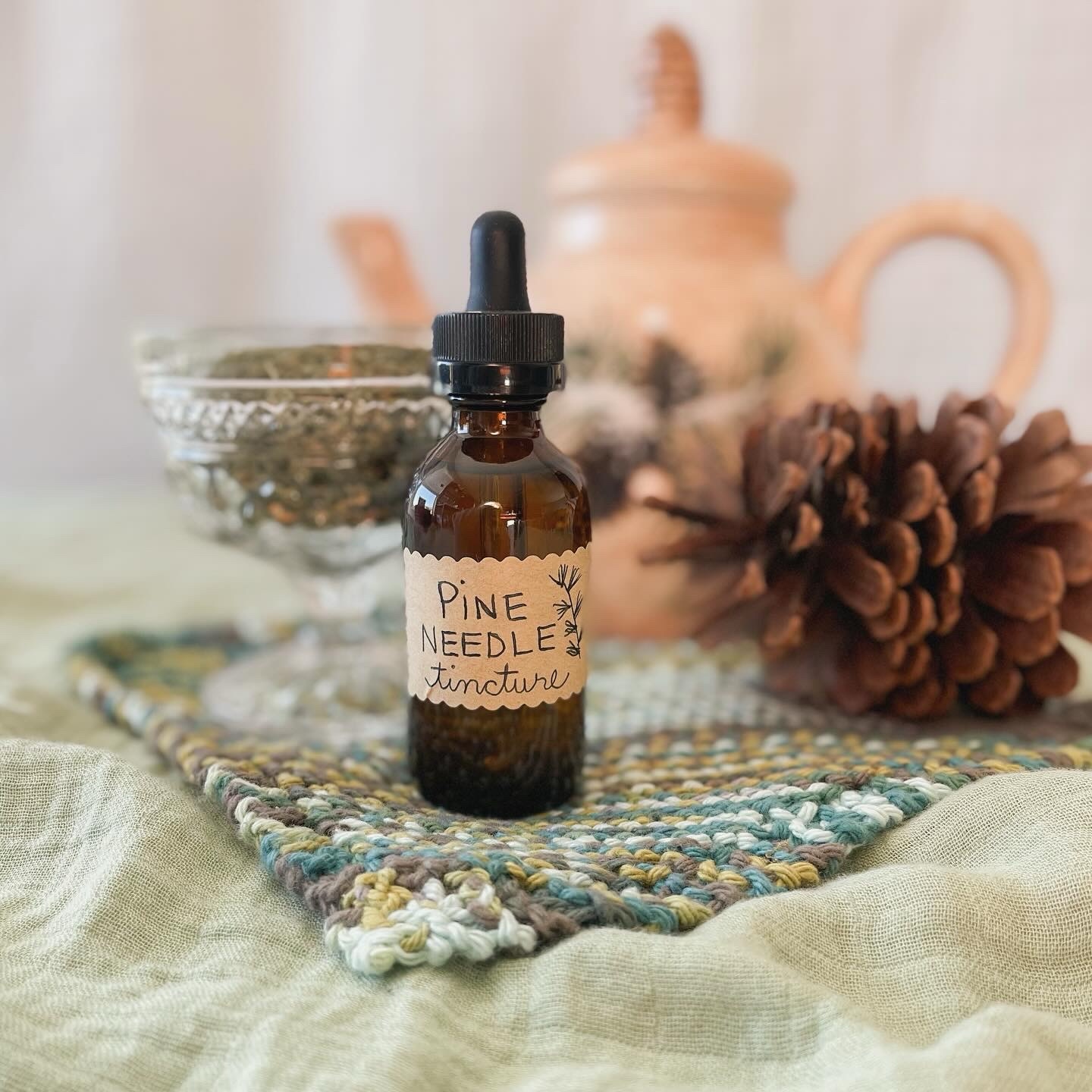
Often overlooked in modern herbalism, pine needle tinctures offer exceptional vitamin C content and powerful antimicrobial compounds. Fresh pine needles contain more vitamin C than citrus fruits, making them invaluable when fresh produce becomes scarce or expensive during winter months.
Pine needle tinctures also provide volatile oils that support respiratory health and help clear congestion. The aromatic compounds act as natural decongestants while the antioxidants protect cellular integrity against winter stressors.
Wild-Harvested Pine Needle Tincture Recipe
7. Turkey Tail Mushroom (Trametes versicolor)
Turkey tail completes our arsenal with its remarkable immune-supporting polysaccharide-K (PSK) compounds. This colorful bracket fungus grows abundantly on dead hardwood trees and has been extensively studied for its immune-enhancing properties.
Turkey tail tinctures work by supporting the activity of natural killer cells and T-helper cells, key components of your adaptive immune system. Regular use helps maintain immune surveillance and promotes healthy inflammatory responses to seasonal challenges.
Creating Your Winter Tincture Protocol
Combining these seven herbal tinctures creates a comprehensive winter immune support system. However, proper timing and dosing ensure maximum effectiveness while preventing herb interactions or overstimulation.
Winter Tincture Safety Checklist
Quality Matters: Choosing Your Tincture Base
The effectiveness of your herbal tinctures depends significantly on the quality of your extraction medium. High-proof alcohol extracts both water-soluble and alcohol-soluble compounds, creating full-spectrum preparations that capture the complete therapeutic profile of each herb.
Frequently Asked Questions
These four additional herbal tinctures, combined with elderberry, echinacea, and the foundation herbs from Part 1, create a powerful toolkit for winter wellness. Each herb contributes unique compounds and mechanisms, working synergistically to support your body's natural defenses throughout the challenging winter months.
Mastering Your Winter Herbal Tincture Practice
Creating an effective winter immune support routine requires more than just selecting the right herbal tinctures. Success lies in proper preparation, timing, and understanding how to combine these powerful natural remedies for maximum benefit. This final section provides you with the practical knowledge to implement a comprehensive herbal tincture protocol that will serve you throughout the winter months.
Creating Your Personal Winter Immune Protocol
The key to effective winter immune support lies in developing a personalized approach that considers your individual health needs, lifestyle, and the specific challenges you face during colder months. A well-designed protocol should include both preventive daily support and acute intervention strategies for when you feel illness approaching.
Your daily foundation should include adaptogenic herbs like astragalus and rhodiola, taken consistently throughout the winter season. These work best when used proactively, building your body's resilience over time rather than waiting for symptoms to appear.
Essential Winter Immune Tincture Recipes
These carefully formulated recipes combine multiple herbal tinctures for synergistic effects, creating powerful blends that address different aspects of winter immune support.
This foundational blend provides comprehensive daily support, combining the antiviral properties of elderberry tincture with the adaptogenic strength of astragalus and the vitamin C boost from rose hips. Take this blend consistently throughout the winter months for optimal protection.
When you feel the first signs of illness, this acute response formula provides immediate support. The combination of echinacea's immune-stimulating properties, ginger's warming circulation benefits, and propolis's antimicrobial action creates a powerful intervention tool.
Quality Sourcing and Storage Guidelines
The effectiveness of your winter immune support depends heavily on the quality of your herbal tinctures. Always source from reputable suppliers who provide third-party testing results and use organic herbs whenever possible. Proper storage in dark glass bottles away from heat and light preserves potency throughout the winter season.
When purchasing commercial tinctures, look for products that specify the herb-to-menstruum ratio, extraction method, and alcohol percentage. These details indicate a manufacturer's commitment to quality and help you understand the potency of your chosen products.
Winter Tincture Safety and Contraindications
While herbal tinctures offer gentle yet effective immune support, understanding safety considerations ensures optimal results without adverse effects. Certain herbs may interact with medications or have contraindications for specific health conditions.
Always consult with a qualified herbalist or healthcare provider before beginning any new herbal protocol, especially if you take medications or have chronic health conditions. Start with smaller doses to assess your individual response, and maintain a journal to track your results and any reactions.
Maximizing Effectiveness Throughout Winter
The timing and method of taking your herbal tinctures significantly impacts their effectiveness. Most immune-supporting tinctures work best when taken on an empty stomach, allowing for optimal absorption. However, if you experience stomach sensitivity, taking them with a small amount of food is acceptable.
Consistency proves more important than perfection in your winter immune support routine. Establish a daily rhythm that fits your lifestyle, whether that means taking your foundational blend with morning coffee or keeping an acute response formula in your work bag for immediate access when needed.
Frequently Asked Questions
As you develop confidence with these seven powerful herbal tinctures, remember that herbalism represents both an art and a science. Your body's needs may change throughout the winter season, and adjusting your protocol accordingly demonstrates the personalized approach that makes herbal medicine so effective. Trust in the wisdom of these time-tested natural remedies while remaining attentive to your body's unique responses and requirements.
No comments yet. Be the first to share your thoughts!