
5 Adaptogens for Stress and Immunity Recipes
Adaptogens are herbs that help the body resist stressors of all kinds, from physical exertion to psychological stress. This guide highlights five evidence-backed adaptogens with documented benefits for stress reduction and immune support, featuring traditional recipes grounded in primary research.
1. Ashwagandha tea for daily calm
Ashwagandha, or Withania somnifera, is a cornerstone of Ayurvedic medicine, traditionally used to help the body manage stress. Clinical studies suggest it may lower cortisol levels, promoting a sense of tranquility without sedation. This warm infusion offers a gentle, grounding ritual to start or end your day with renewed equilibrium.

2. Rhodiola rosea for mental clarity
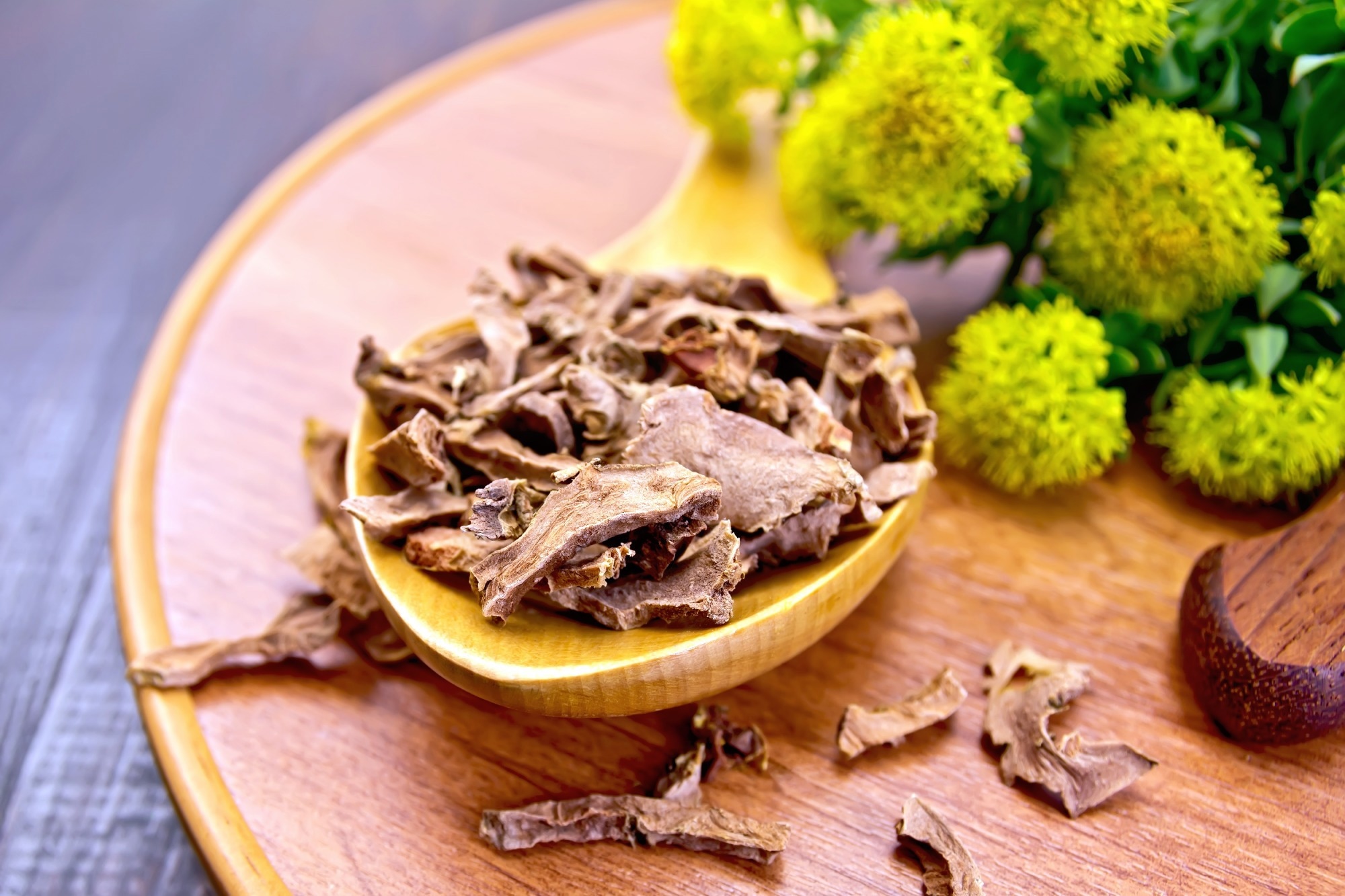
Rhodiola rosea is an Arctic root renowned for its ability to combat fatigue and enhance cognitive performance. Research indicates it may improve focus during stressful periods by modulating neurotransmitters like serotonin and dopamine. This brisk, earthy tea helps sharpen mental acuity, making it an ideal companion for demanding workdays or study sessions.
3. Echinacea syrup for immune support
Echinacea purpurea has been used for centuries to support immune function, particularly during cold and flu season. Studies suggest it may reduce the duration and severity of upper respiratory infections by stimulating white blood cell activity. This thick, sweet syrup provides a potent, concentrated dose of immune-boosting phytochemicals in every spoonful.
4. Holy basil tea for balance
Holy basil, or Tulsi, is revered in India as the "Queen of Herbs" for its adaptogenic properties. It helps the body resist physical and mental stress while supporting respiratory health. This fragrant, slightly peppery tea offers a harmonious blend of flavors that soothe the nervous system and promote overall emotional balance throughout the day.

5. Turmeric golden milk for recovery
Turmeric contains curcumin, a powerful anti-inflammatory compound widely studied for its role in reducing joint pain and aiding muscle recovery. Combined with black pepper to enhance absorption, this golden milk creates a soothing, creamy beverage. It is perfect for evening relaxation, helping the body repair and unwind after a long day of activity.
What a local witch doctor actually does
The term "witch doctor" often conjures images of dark magic, but the role is rooted in practical herbalism and community healing. In many African indigenous societies, a witch doctor (or inganga) serves as a traditional practitioner who bridges the physical and spiritual worlds. They are not sorcerers; they are the local pharmacists and physicians, relying on generations of accumulated botanical knowledge to treat ailments.
Unlike modern medicine, which often isolates symptoms, traditional herbalists view health as a balance between the individual, their environment, and their ancestors. This holistic approach means that a consultation involves more than just a prescription—it includes dietary adjustments, spiritual cleansing, and lifestyle changes. The knowledge is passed down orally, making the preservation of these traditions a critical part of cultural heritage.

It is important to distinguish this traditional role from modern medical advice. While witch doctors are experts in local flora and traditional remedies, they do not replace clinical diagnosis or emergency care. Their strength lies in preventative care and managing chronic conditions through natural means. For those seeking adaptogens for stress and immunity, understanding this context helps appreciate the source of the ingredients used in these ancient recipes.
How to choose safe herbal remedies
Finding a trusted local witch doctor or herbalist is the first step toward safe, effective herbalism. Traditional knowledge is powerful, but it requires vetting to ensure the remedies you consume are pure and free from contaminants. Use this checklist to evaluate practitioners and products before you buy.

Look for practitioners affiliated with recognized bodies like the National Ayurvedic Medical Association or the American Association of Naturopathic Physicians. These organizations often maintain directories of certified experts who adhere to ethical and safety standards.

A reputable herbalist should be transparent about where their herbs come from. Ask if they use wild-harvested, organic, or sustainably grown plants. Pure remedies should be free from heavy metals, pesticides, and fillers that can compromise your health.
High-quality herbal products often undergo third-party testing for potency and safety. Request to see certificates of analysis (COAs) if available, especially for concentrated extracts or powders. This ensures the product contains what the label claims.
Always discuss herbal remedies with a healthcare provider before starting, especially if you are taking other medications or have underlying health conditions. Adaptogens can interact with prescription drugs, so professional guidance is essential for safety.


As an Amazon Associate, we may earn from qualifying purchases.
Common questions about herbalism
Understanding the roots of traditional healing helps frame how these ancient practices intersect with modern wellness routines. Below are answers to frequent questions regarding the terminology and roles of traditional practitioners.
No comments yet. Be the first to share your thoughts!