

The Rising Tide: Why Adaptogens Are Exploding in 2026
It’s no secret that stress levels are climbing. We see it in increased anxiety diagnoses, burnout rates, and a general sense of overwhelm. Conventional approaches – medication, talk therapy – certainly have their place, but they don’t always address the root of the problem, the body’s ability to cope with stressors in the first place. This is where adaptogens come in.
Adaptogens are a class of herbs and mushrooms that help the body resist physical, chemical, and biological stressors. They’ve been used for centuries in traditional medicine systems like Ayurveda and Traditional Chinese Medicine, but are only now gaining mainstream recognition. I believe 2026 will be a pivotal year, with increased research and wider accessibility driving their adoption.
We’re seeing a larger shift towards preventative healthcare, a desire to proactively support well-being rather than simply treating illness. People are actively seeking natural solutions, and adaptogens fit that bill beautifully. They aren’t a quick fix, but a way to build resilience and support the body’s natural ability to thrive under pressure. This isn't just a fleeting wellness trend; it’s a response to a very real need for more holistic support.
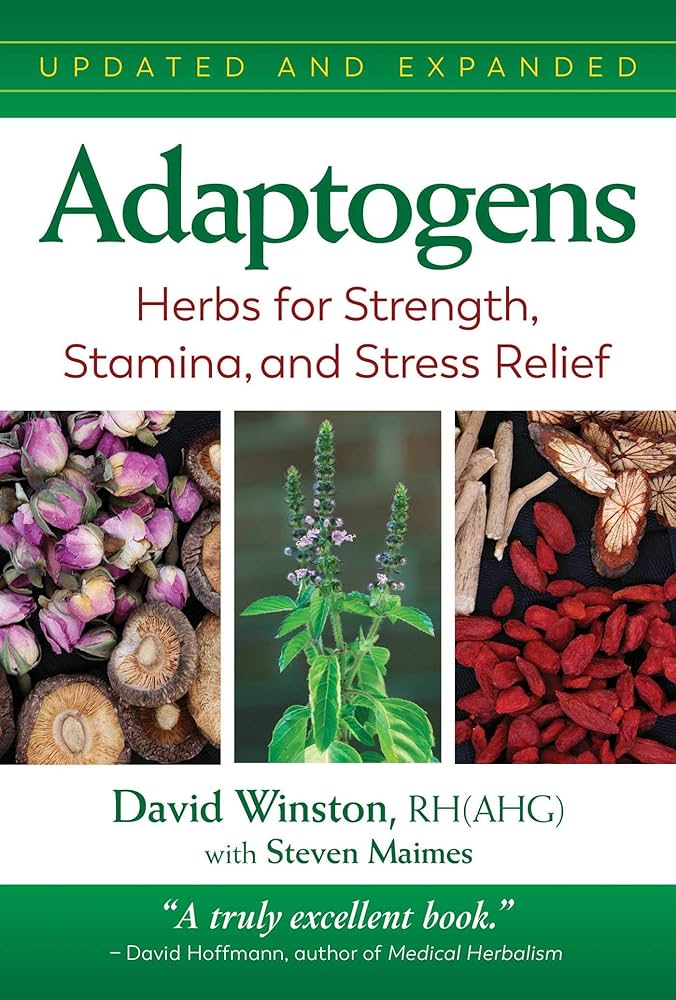
Ashwagandha: The Stress-Busting Powerhouse (and What's New)
Ashwagandha (Withania somnifera) is arguably the most well-known adaptogen in the West, and for good reason. It’s a cornerstone of Ayurvedic medicine, traditionally used to promote vitality, reduce stress, and improve sleep. Modern research backs up many of these uses, demonstrating significant reductions in cortisol levels – the hormone associated with stress – in clinical trials.
Studies have shown Ashwagandha can reduce anxiety symptoms, improve sleep quality, and even enhance cognitive function. It’s available in various forms: powder, capsules, and tinctures. I generally recommend a tincture for faster absorption, but capsules are convenient for travel. When choosing a supplement, pay attention to the source and quality control.
What's particularly interesting is the emerging research on specific Ashwagandha extracts. KSM-66, for example, is a full-spectrum root extract that's been extensively studied and shown to have superior bioavailability. Some research suggests that leaf extracts may have different properties than root extracts, potentially focusing more on anti-inflammatory effects. It’s a complex herb, and the extraction method matters.
- KSM-66: A highly studied, full-spectrum root extract.
- Sensoril: Another patented extract known for its stress-reducing properties.
- Organic Ashwagandha Powder: A more affordable option, but quality can vary.
7 Adaptogens for Stress Relief
- Ashwagandha (Withania somnifera) - Perhaps the most well-known adaptogen, Ashwagandha helps the body manage stress by modulating the hypothalamic-pituitary-adrenal (HPA) axis. It's traditionally used to improve energy, focus, and sleep quality. NIH - Ashwagandha. Potential side effects include: drowsiness, stomach upset, diarrhea, nausea, and vomiting. Higher doses may cause liver problems. It may also interact with certain medications, including immunosuppressants and thyroid medications. Disclaimer: This information is not intended to be a substitute for professional medical advice, diagnosis, or treatment. Always consult with a qualified healthcare provider for any questions you may have regarding a medical condition.
- Rhodiola (Rhodiola rosea) - Growing in high-altitude regions, Rhodiola is prized for its ability to enhance mental performance under stress and combat fatigue. It’s believed to influence neurotransmitters like serotonin and dopamine. Mount Sinai - Rhodiola
- Holy Basil (Tulsi) (Ocimum sanctum) - Revered in Ayurvedic medicine, Holy Basil is considered a sacred herb with potent adaptogenic properties. It supports adrenal function, reduces cortisol levels, and offers antioxidant protection. NIH - Holy Basil
- Eleuthero (Siberian Ginseng) (Eleutherococcus senticosus) - Despite its name, Eleuthero isn't a true ginseng. It’s traditionally used to increase stamina, improve mental clarity, and bolster the immune system during times of stress. Verywell Health - Eleuthero
- Schisandra (Schisandra chinensis) - A five-flavored berry, Schisandra is known for its ability to balance the body and support resilience. It's believed to enhance liver function, improve mental performance, and increase energy levels. Healthline - Schisandra
- Cordyceps (Cordyceps sinensis) - Traditionally used in Tibetan and Chinese medicine, Cordyceps is a medicinal mushroom that supports energy production, athletic performance, and immune function. It's particularly helpful for combating fatigue related to stress. WebMD - Cordyceps
- Astragalus (Astragalus membranaceus) - An important herb in Traditional Chinese Medicine, Astragalus supports the immune system, reduces inflammation, and helps the body adapt to environmental stressors. RxList - Astragalus
Rhodiola Rosea: Resilience for the Modern World
Rhodiola Rosea is an adaptogen that shines when it comes to mental performance under stress. Unlike some herbs that simply calm you down, Rhodiola helps you cope with stress while maintaining focus and energy. It’s thought to work by modulating neurotransmitters like serotonin and dopamine, key players in mood regulation and cognitive function.
Historically, Rhodiola was used in Siberian and Scandinavian cultures to combat fatigue, enhance physical endurance, and improve resilience to harsh climates. Today, research supports its use for burnout, chronic fatigue syndrome, and mild to moderate depression. It’s particularly helpful for those who feel overwhelmed and depleted.
I'm curious about how Rhodiola compares to other nootropic herbs like Bacopa monnieri. While Bacopa is known for long-term cognitive enhancement, Rhodiola feels more immediate, offering support during periods of acute stress. It's a great herb to keep on hand during busy seasons.
Sometime you just need a little herbal stress relief.
— 🦈🎀ᎠᎹ 💕🦭 Ama Saverem🗡️ 【inDEEZ】 (@amaamasharku) March 14, 2026
🎨 momojen pic.twitter.com/p0eF6Wpbc0
Holy Basil (Tulsi): Beyond a Calming Tea
Holy Basil, or Tulsi, holds a sacred place in Hinduism, revered for its spiritual and medicinal properties. Beyond being a delicious and calming tea, it’s a potent adaptogen with a wide range of benefits. It’s believed to modulate the hypothalamic-pituitary-adrenal (HPA) axis – the body’s central stress response system – helping to regulate cortisol levels.
Tulsi is also rich in antioxidants and possesses anti-inflammatory properties. It can support immune function, protect against oxidative stress, and promote overall well-being. There are three main varieties: Rama, Krishna, and Vana, each with slightly different properties and flavors.
I think people often underestimate the power of Holy Basil. It's not just a pleasant-tasting tea; it's a powerful ally in managing stress and supporting long-term health. I frequently recommend it to clients struggling with anxiety or adrenal fatigue.
- Rama Tulsi: Considered the most sacred variety, known for its vibrant flavor.
- Krishna Tulsi: Darker leaves, with a slightly spicy and clove-like aroma.
- Vana Tulsi: Wild-growing variety, known for its robust flavor and medicinal properties.
Schisandra: The Five-Flavor Berry for Total Body Balance
In Traditional Chinese Medicine, Schisandra chinensis is renowned for its unique "five-flavor’ profile – sour, sweet, bitter, pungent, and salty. This is believed to balance all the organ systems and promote overall vitality. It"s a powerful adaptogen that supports liver health, adrenal function, and mental clarity.
Schisandra is thought to enhance the body’s resistance to stress by protecting the adrenal glands and supporting detoxification pathways. It can also improve cognitive function, boost energy levels, and enhance immune function. However, it’s important to note that Schisandra can interact with certain medications.
This herb is a bit more complex than some of the others, so clarity is key. It’s important to start with a low dose and gradually increase it as tolerated. People with gallbladder issues or those taking blood thinners should consult with a healthcare professional before using Schisandra.
Adaptogen Comparison: Stress Relief & Beyond (2026 Trends)
| Herb | Stress Resilience | Energy Enhancement | Cognitive Support | Liver Protection |
|---|---|---|---|---|
| Schisandra | High | Medium | Medium | High |
| Ashwagandha | High | Medium | Low | Low |
| Rhodiola Rosea | High | High | Medium | Low |
| Holy Basil (Tulsi) | Medium | Low | Medium | Medium |
| Eleuthero (Siberian Ginseng) | Medium | High | Low | Medium |
| Cordyceps | Low | High | Low | Medium |
| Reishi Mushroom | Medium | Low | Low | High |
Illustrative comparison based on the article research brief. Verify current pricing, limits, and product details in the official docs before relying on it.
Cordyceps: Energy, Immunity, and Adaptability
Cordyceps is a unique mushroom adaptogen with a long history of use in Traditional Chinese Medicine. It’s prized for its ability to enhance energy levels, boost immune function, and improve athletic performance. There are several species, with Cordyceps sinensis and Cordyceps militaris being the most commonly used.
Cordyceps sinensis, traditionally harvested from the Himalayas, is rare and expensive. Cordyceps militaris, grown in controlled environments, is a more sustainable and affordable alternative with comparable benefits. Both species are rich in cordycepin, a bioactive compound with immune-modulating and anti-inflammatory properties.
A lot of misinformation exists around Cordyceps, particularly regarding its benefits for athletic performance. While it can enhance endurance and oxygen utilization, it’s not a magic bullet. It’s best used as part of a holistic approach to health and fitness.
Eleuthero (Siberian Ginseng): A Cold-Weather Champion
Eleuthero (Eleutherococcus senticosus), often called Siberian Ginseng, has a long history of use in Siberia and other cold-weather regions. Traditionally, it was used to combat fatigue, enhance resilience to cold, and protect against illness. It’s an adaptogen that supports immune function and helps the body adapt to physical and mental stress.
Unlike Panax Ginseng, which is stimulating, Eleuthero is more balancing. It doesn’t provide a quick energy boost but rather helps the body maintain energy levels throughout the day. It's thought to work by supporting the adrenal glands and regulating the HPA axis.
I’m not sure how Eleuthero stacks up against the other adaptogens in terms of current research, but it’s a powerful herb that deserves more attention. It’s often overlooked, but it can be particularly helpful for those who live in cold climates or are prone to seasonal affective disorder.
Content is being updated. Check back soon.



No comments yet. Be the first to share your thoughts!