
5 Local Witch Doctor: Top 5 Adaptogenic Herbs for Stress Relief
Navigating the world of adaptogens requires trusted sources, which is why Local Witch Doctor curates a selection of potent herbs designed to support your body's natural stress response. These carefully chosen tinctures and powders bridge traditional wisdom with modern herbalism, offering concrete solutions for daily wellness.
1. Ashwagandha root powder for calm energy
Ashwagandha acts as a grounding anchor during chaotic days, helping to lower cortisol levels and restore equilibrium. This adaptogen supports the body’s natural stress response, promoting a sense of steady calm without sedation. This versatile powder is recommended for blending into morning smoothies or warm lattes to sustain focus and vitality throughout the day.
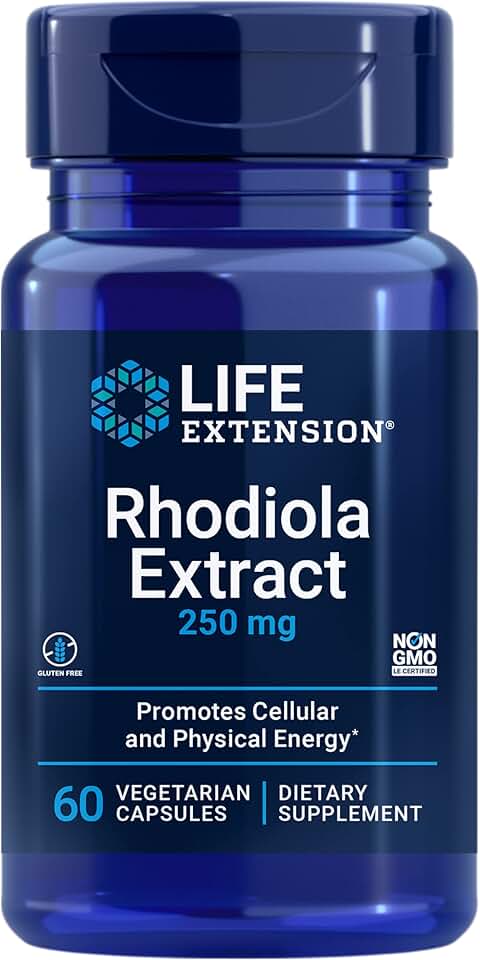
2. Rhodiola rosea extract for mental fatigue
Rhodiola rosea serves as a mental clarifier, cutting through brain fog and mental exhaustion with precision. Traditionally used by Vikings for endurance, this extract helps maintain cognitive performance under pressure. It is highlighted for its ability to support alertness and reduce perceived effort, making it ideal for demanding workdays or intense study sessions requiring sustained mental clarity.
3. Holy basil tincture for emotional balance
Holy basil, or Tulsi, is revered as the Queen of Herbs for its gentle yet profound ability to soothe emotional turbulence. This tincture offers a convenient way to access its adaptogenic benefits, helping to stabilize mood and promote inner peace. Use drops under the tongue for quick absorption, providing a calming ritual to navigate stressful interpersonal situations or daily anxieties.

4. Schisandra berry capsules for resilience
Schisandra berries are known as the five-flavor fruit, offering a unique balance of tastes that mirrors life’s complexities. These capsules provide robust support for physical and mental resilience, enhancing the body’s ability to withstand stressors. This adaptogen is recommended for those seeking to build long-term stamina and protect against fatigue, ensuring a steady approach to challenging periods.

5. Reishi mushroom powder for deep rest
Reishi, the Mushroom of Immortality, is the ultimate ally for deep rest and recovery. This powder supports the nervous system’s ability to relax, facilitating restorative sleep and reducing tension. Mix it into evening teas or broths, allowing its calming properties to gently guide the body into a state of tranquility and rejuvenation after a long day.

What a local witch doctor knows about stress
The term "witch doctor" often conjures images of distant, mystical rituals, but at its core, it refers to a traditional practitioner who understands the deep connection between the earth and the human body. In the context of modern wellness, adopting this perspective means looking past quick fixes to find remedies that work with your biology, not against it. It is an approach rooted in observation, patience, and the belief that nature provides the tools we need to survive and thrive.
This is where adaptogenic herbs come in. Unlike stimulants that force energy or sedatives that force sleep, adaptogens help the body regulate its stress response. They act like a thermostat for your nervous system, cooling you down when you are overheated with anxiety and warming you up when you are burned out and fatigued. For a practitioner focused on holistic health, these herbs are not magic spells; they are biological tools that support the adrenal system and promote general wellness over time.
By framing stress relief through this traditional lens, we move away from the idea of "curing" a feeling and toward the practice of building resilience. True relief comes from consistency and respect for the body's rhythms. In the following sections, we will explore five specific adaptogenic products—tinctures, powders, and capsules—that embody this principle of grounded, natural support.
How to make potent herbal tinctures
Creating your own adaptogenic tinctures is a practical way to manage daily stress, bridging traditional herbalism with modern wellness routines. The process is straightforward but requires precision. A tincture is simply an herbal extract made by soaking plant material in alcohol or vinegar to pull out the active compounds. When done correctly, these concentrated drops offer a longer shelf life and more consistent potency than dried teas or capsules.
The approach emphasizes respect for the material and the method. You aren't just mixing ingredients; you are extracting the plant's essence. Below is a concise, safe guide to creating a basic adaptogenic tincture at home, focusing on the critical ratios and storage techniques that preserve potency.
To ensure you have the right tools for this process, consider equipping your workspace with these essentials:



As an Amazon Associate, we may earn from qualifying purchases.
By following these steps, you create a personalized wellness tool that respects the potency of the plants. Always consult with a healthcare provider before starting any new herbal regimen, especially if you are taking medication or have underlying health conditions.
How to Pick Your Herb
Choosing the right adaptogen isn't about finding the "best" herb overall; it's about matching the plant to your specific stress symptoms. The approach treats herbs like targeted tools rather than general tonics. Ashwagandha might calm a racing mind, while Rhodiola could lift mental fog during a work crunch.
To help you decide, we've compared the top five adaptogens by their primary benefit and ideal timing. Use this framework to identify which herb aligns with your body's current needs.
| Herb | Primary Benefit | Best Time to Take | Traditional Use |
|---|---|---|---|
| Ashwagandha | Calm & Grounding | Evening | Supports sleep and reduces cortisol |
| Rhodiola Rosea | Energy & Focus | Morning | Combats fatigue and mental exhaustion |
| Holy Basil (Tulsi) | Balance & Clarity | Anytime | Adapts to both stress and relaxation |
| Schisandra | Resilience & Stamina | Morning | Enhances physical and mental endurance |
| Reishi Mushroom | Deep Rest | Evening | Promotes relaxation and immune support |
Common questions about adaptogens
While the term "Local Witch Doctor" evokes images of mystical healers, the herbs we discuss here are grounded in botanical science. Adaptogens are not magic pills; they are botanical allies. Here are the most frequent questions received about using them for stress relief.
No comments yet. Be the first to share your thoughts!