

Elderberry for viral defense
Elderberry, scientifically known as Sambucus nigra, has a long history of use for combating colds, flu, and other respiratory infections. Traditional medicine systems across Europe have utilized its berries and flowers for centuries, and modern research is beginning to validate these practices.
Studies have demonstrated elderberry’s antiviral properties, particularly against influenza strains. A 2019 study published in Complementary Therapies in Medicine showed that elderberry extract significantly reduced the duration and severity of influenza symptoms (Zakay-Rones et al., 2019). The active compounds, anthocyanins, are thought to inhibit the virus’s ability to enter cells.
Elderberry is available in various forms: syrups are popular for their ease of use, lozenges provide localized relief, and teas offer a soothing option. Bioavailability can vary depending on the preparation, with some studies suggesting that the alcohol-based extracts may be more readily absorbed. I personally found a high-quality elderberry syrup helped me recover from a recent cold much faster than usual.
Skip elderberry if you have an autoimmune condition, as it can overstimulate the system. Also, never eat the berries raw or unripe; they contain cyanogenic glycosides that cause severe nausea.
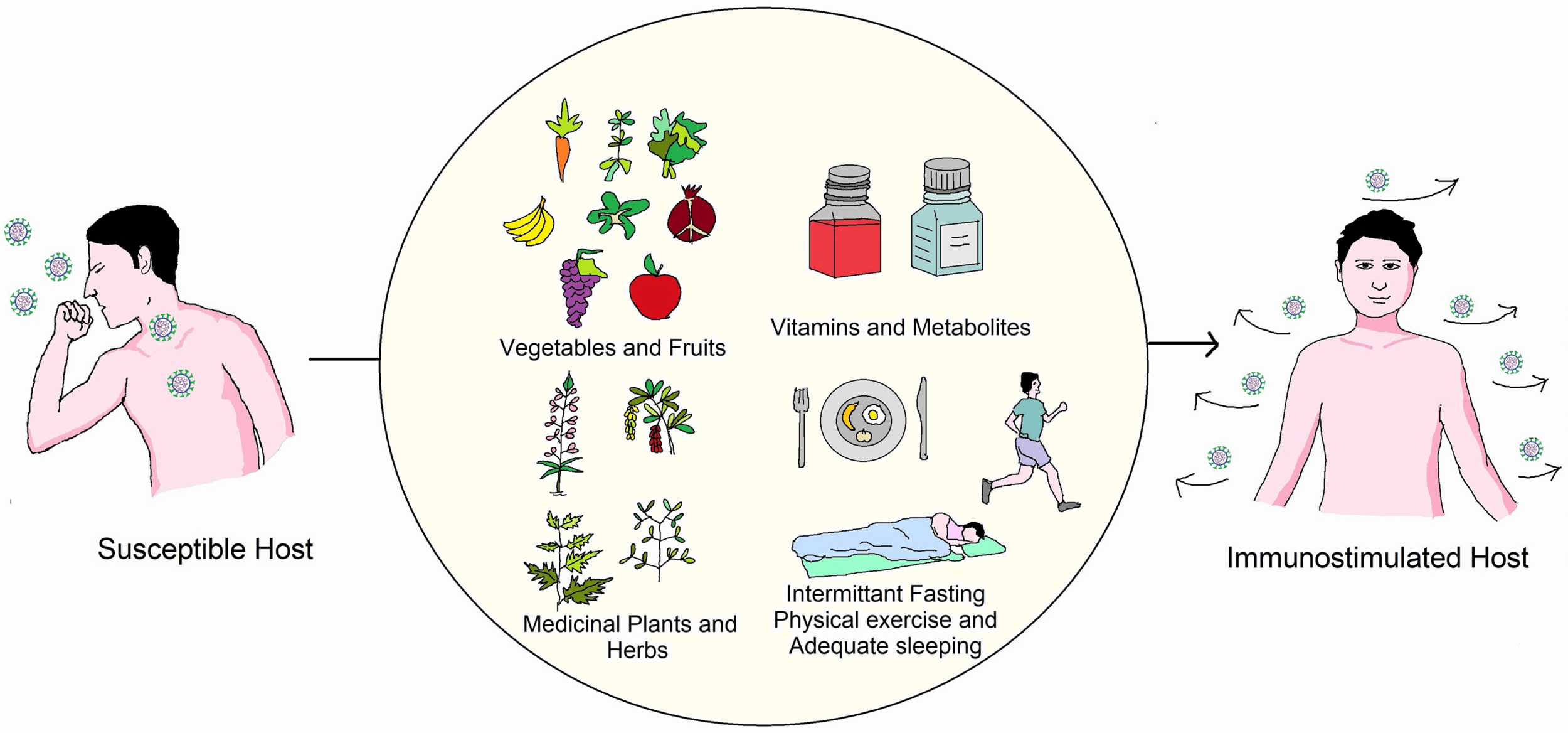
Andrographis and upper respiratory infections
Andrographis paniculata, often called the "King of Bitters’, is a cornerstone of both Ayurvedic and Traditional Chinese Medicine. It"s traditionally used to treat a wide range of ailments, but its potent anti-inflammatory and immunomodulatory effects are particularly relevant to respiratory health.
Research suggests that Andrographis can be effective against upper respiratory infections. A meta-analysis of randomized controlled trials, published in the Journal of Ethnopharmacology in 2022, found that Andrographis significantly reduced the risk of developing upper respiratory tract infections and lessened symptom severity (Linde et al., 2022). There’s also growing interest in its potential role in alleviating some symptoms of long-COVID.
While generally well-tolerated, Andrographis can cause mild side effects like digestive upset. It may also interact with certain medications, including immunosuppressants and anticoagulants. It’s crucial to discuss its use with a healthcare professional if you are taking any other medications or have underlying health conditions.
Andrographis has a distinctly bitter taste, which can be masked by encapsulating it or combining it with other herbs.
Mullein for lung clearing
Mullein, Verbascum thapsus, truly shines when it comes to lung health. This unassuming plant boasts both expectorant and demulcent properties, meaning it helps to loosen and clear mucus while simultaneously soothing irritated airways. It's a classic for supporting the respiratory system.
The expectorant action of mullein helps to expel phlegm, making it beneficial for conditions like bronchitis and coughs. The demulcent properties coat and protect the mucous membranes, reducing inflammation and irritation. Mullein also contains compounds that may have mild antibacterial and antiviral effects.
Mullein can be prepared in various ways. Teas are a common preparation, tinctures offer a concentrated dose, and traditionally, the dried leaves have been smoked to deliver the medicinal compounds directly to the lungs. However, I must strongly caution against smoking any herb without proper knowledge and caution. Inhaling any particulate matter carries risks.
I'm not entirely sure about the long-term effects of smoked mullein, and the practice isn't for everyone. It’s crucial to use a well-ventilated space and ensure the mullein is finely ground. Mullein has historically been used for chronic bronchitis and asthma, but it’s vital to consult a doctor before using it to manage these conditions. It should never replace conventional asthma medication.
Comparative Analysis: Post-Pandemic Immunity Herbs
| Herb | Primary Action | Best Use Cases | Potential Side Effects | Ease of Sourcing |
|---|---|---|---|---|
| Elderberry (Sambucus nigra) | Antiviral & Immunomodulatory | Early-stage cold & flu support, reducing symptom duration and severity. | Generally well-tolerated; may cause nausea or digestive upset in some individuals. Avoid raw berries – they can be toxic. | Widely available in various forms (syrups, lozenges, capsules). |
| Andrographis (Andrographis paniculata) | Immunomodulatory & Anti-inflammatory | Upper respiratory infections, common colds, and potentially supportive for viral load management. | May cause digestive issues, fatigue, and loss of appetite. Not recommended for pregnant or breastfeeding individuals. | Becoming increasingly available, often found in specialized herbal stores and online retailers. |
| Echinacea (Echinacea purpurea/angustifolia) | Immunostimulatory | Preventative and early-stage support for colds and respiratory infections; may shorten duration of illness. | Possible allergic reactions (especially in those allergic to ragweed). May cause digestive upset. Long-term continuous use is not generally recommended. | Commonly available in teas, tinctures, capsules, and dried root forms. |
| Ginger (Zingiber officinale) | Anti-inflammatory & Antioxidant | Soothes sore throats, reduces inflammation, supports respiratory function, and aids digestion. | Generally safe in moderate amounts. May interact with blood-thinning medications. Can cause mild heartburn. | Extremely easy to source – fresh root, dried spice, teas, capsules widely available. |
| Licorice Root (Glycyrrhiza glabra) | Demulcent & Immunomodulatory | Soothes irritated mucous membranes, supports adrenal function, and possesses antiviral properties. | Can raise blood pressure and cause potassium depletion with excessive use. Avoid if you have hypertension or heart conditions. | Available in root form, teas, and extracts, but sourcing quality product is important. |
| Astragalus (Astragalus membranaceus) | Adaptogen & Immunomodulatory | Long-term immune support, increasing resilience to stress and supporting lung health. | May interact with immunosuppressant medications. Possible digestive upset. | Available in capsule, powder, and tincture forms; sourcing from reputable suppliers is recommended. |
Illustrative comparison based on the article research brief. Verify current pricing, limits, and product details in the official docs before relying on it.
Licorice root and immune balance
Licorice root (Glycyrrhiza glabra) is a fascinating herb with complex effects on the immune system. It’s an adaptogen, meaning it helps the body adapt to stress, and it supports adrenal function, which is crucial for immune regulation. It also exhibits antiviral and anti-inflammatory actions.
Licorice contains glycyrrhizin, a compound responsible for many of its medicinal properties. Glycyrrhizin can help to modulate the immune response and protect against viral infections. Studies have shown its effectiveness against viruses like influenza and herpes simplex.
However, long-term use of licorice root can lead to hypertension, electrolyte imbalances (specifically potassium depletion), and edema. Individuals with high blood pressure, heart conditions, kidney problems, or edema should avoid licorice root altogether. This is why deglycyrrhizinated licorice (DGL) is often recommended, as it retains the beneficial anti-inflammatory properties without the blood pressure-raising effects.
I always advise people to use DGL if they have any concerns about blood pressure. Even with DGL, it's best to cycle licorice use—take it for a few weeks, then take a break. It’s a powerful herb that deserves respect and careful consideration.
Reishi and chaga mushrooms
Reishi (Ganoderma lucidum) and Chaga (Inonotus obliquus) mushrooms are gaining recognition for their potent immune-boosting properties. These aren’t your average supermarket mushrooms; they’re medicinal fungi with a rich history of use in Traditional Chinese Medicine.
Both Reishi and Chaga are rich in beta-glucans, complex carbohydrates that stimulate immune cell activity, enhancing the body’s ability to fight off infections. They also possess adaptogenic properties, helping to reduce stress and improve resilience.
Reishi is known for its calming effects and its ability to support cardiovascular health. Chaga, with its high antioxidant content, is particularly valued for its immune-protective benefits. Both are available in various forms – powders, extracts, and teas. I’ve found Chaga tea to be incredibly grounding and helpful during particularly stressful periods.
Individuals taking immunosuppressants should exercise caution when using Reishi or Chaga, as they may enhance the effects of these medications. As with any herbal remedy, it’s best to start with a low dose and monitor for any adverse reactions.
Building a herbal protocol
Combining these herbs can create synergistic effects, offering even greater support for your immune system. However, it’s crucial to approach this thoughtfully and with respect for the individual properties of each herb.
For a daily immune tonic, consider a blend of elderberry, Reishi, and Chaga. This combination provides broad-spectrum immune support and adaptogenic benefits. A simple cold/flu remedy might include elderberry, Andrographis, and mullein to address symptoms and support the body’s natural defenses. For focused lung support, combine mullein with licorice (DGL if necessary) and a small amount of ginger for added warmth.
When formulating your own blends, start with small doses and carefully monitor for any adverse reactions. It’s also important to consider your individual needs and any underlying health conditions. Remember, herbs are powerful tools, and it’s essential to use them responsibly.
Talk to a clinical herbalist before mixing these with prescription meds. The American Herbalists Guild maintains a directory of registered practitioners who can screen for drug interactions.




No comments yet. Be the first to share your thoughts!