

Adaptogenic Herb Tea for Stress Relief
Adaptogens like ashwagandha and rhodiola help your body manage cortisol levels, but timing matters. Taking these herbs at the wrong time of day can disrupt sleep or cause jitteriness. This recipe uses a gentle morning blend designed to support mental clarity without the crash of caffeine. It combines ashwagandha root for calm focus and rhodiola rosea for energy, balanced with calming chamomile to prevent overstimulation.
The preparation method is simple: steeping the roots and leaves in hot water allows the active compounds to extract effectively. We recommend using a tea infuser for easy removal and consistent strength. This blend is best consumed within an hour of waking to align with your natural cortisol rhythm.
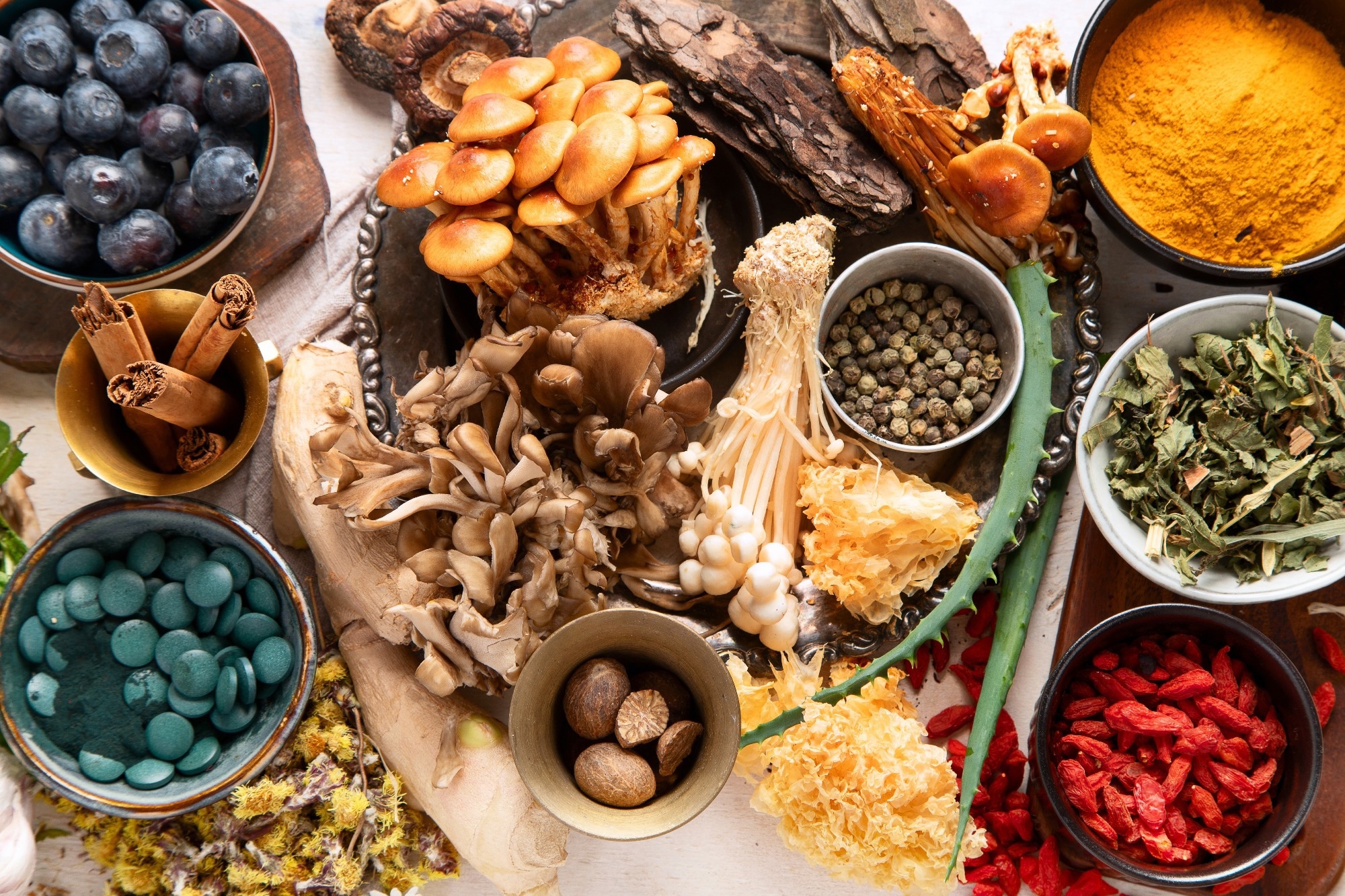
Safety Note: Adaptogens are potent botanicals. Start with half the recommended dose to assess tolerance. Discontinue use if you experience digestive upset or headaches. Pregnant or nursing women should avoid adaptogenic herbs unless directed by a healthcare provider.
Choosing the Right Adaptogenic Herbs for Stress Relief
Selecting adaptogens is not a one-size-fits-all process. These herbs help your body resist stressors of all kinds, but their chemical profiles interact with your neurochemistry differently. Ashwagandha, for instance, is rich in withanolides that calm the nervous system, making it ideal for anxiety-driven stress. Rhodiola, conversely, contains rosavins that boost alertness, better suited for burnout or mental fatigue. Picking the wrong herb can leave you feeling sluggish when you need energy, or wired when you need rest.
1. Match the Herb to Your Primary Symptom
Start by identifying your dominant stress response. If you struggle with racing thoughts and an inability to unwind, Ashwagandha (Withania somnifera) is often the first choice. Clinical studies suggest it significantly lowers cortisol levels. If your stress manifests as physical exhaustion or lack of motivation, Rhodiola rosea is typically more effective. It supports dopamine and serotonin activity, helping to maintain focus without the jitteriness of caffeine.
2. Check for Standardization
Not all herbal supplements are created equal. The potency of an adaptogen depends on the concentration of its active compounds. Look for products that specify the percentage of key markers, such as 5% withanolides for Ashwagandha or 3% rosavins for Rhodiola. Unstandardized extracts may contain trace amounts of the active ingredient, rendering them ineffective. Reputable brands will list these markers on the label, ensuring you get a consistent dose every time.
3. Assess for Interactions and Contraindications
Adaptogens are powerful and can interact with medications. Ashwagandha may amplify the effects of thyroid medication or sedatives. Rhodiola can interact with SSRIs or blood thinners. If you have an autoimmune condition, consult a healthcare provider before starting, as some adaptogens stimulate the immune system. Always start with a low dose to assess tolerance before moving to the recommended serving size.
4. Consider the Form and Bioavailability
The delivery method affects how well your body absorbs the herb. Tinctures and liquid extracts are often absorbed faster than capsules. However, some herbs, like Reishi, are better extracted in hot water or alcohol rather than cold water. If you choose capsules, look for those with black pepper extract (piperine) to enhance absorption, unless you are sensitive to it. Powdered forms can be added to smoothies but may have a bitter, earthy taste that some find unpleasant.
5. Evaluate Quality and Purity
The supplement industry is loosely regulated. Choose brands that undergo third-party testing for heavy metals, pesticides, and microbial contaminants. Certifications from USP, NSF, or ConsumerLab provide assurance of quality. Avoid products with proprietary blends that hide the exact dosage of each ingredient. Transparency in labeling is a hallmark of a trustworthy manufacturer.
Swaps That Still Work
Adaptogens are potent, but they aren't always available in your local pantry. Fortunately, many common kitchen staples offer similar mechanisms for stress relief and mental clarity. These substitutions don't replicate the exact alkaloid profile of Rhodiola or Ashwagandha, but they support the same physiological pathways—primarily by modulating cortisol and stabilizing blood sugar.
When making swaps, prioritize whole foods over isolated extracts. The synergy of fiber, vitamins, and polyphenols in whole ingredients often provides a gentler, more sustained effect than concentrated powders. Here is how common adaptogens compare to accessible alternatives.
Serve and store it
Adaptogenic herbs are potent, but they don’t always taste like sunshine. Ashwagandha has an earthy, almost horseradish-like bite, while reishi can lean bitter. The trick to serving these remedies is masking that bitterness with strong, complementary flavors. Think creamy coconut milk in a golden milk latte, or a splash of tart lemon in a reishi tea. If you’re blending them into smoothies, ripe bananas or dates help hide the herbal notes without adding too much extra sugar.
For storage, think of these herbs like fresh spices—air and light are their enemies. Keep your powders and tinctures in airtight glass jars in a cool, dark cupboard. A pantry away from the stove is ideal. If you brew a large batch of adaptogenic tea, let it cool completely before refrigerating it in a sealed glass pitcher. It will stay fresh for up to three days. Avoid freezing most herbal preparations unless they are in a smoothie base, as the texture can separate and become grainy upon thawing.
When you’re ready to serve, remember that consistency matters more than quantity. A daily cup of adaptogenic tea is far more effective than a large, occasional dose. Start with a small serving to see how your body reacts, especially if you’re new to herbs like ashwagandha or rhodiola. Listen to your body’s feedback, adjust the flavorings to your taste, and make the ritual a calm, mindful part of your morning or evening routine.
Common questions about adaptogens for stress and clarity
Adaptogens are not quick fixes. They work by helping your body manage stress over time, not by neutralizing it instantly. Most research suggests you need to take them consistently for 2–4 weeks before noticing a shift in your baseline anxiety or mental fog. Think of them like building a foundation rather than flipping a switch. If you are looking for immediate relief from a panic attack, adaptogens will not help. They are designed for long-term resilience.
Safety is the most important factor when choosing an adaptogen. Because these herbs affect your nervous system and hormone levels, they can interact with prescription medications, especially blood thinners, antidepressants, and thyroid medications. Always consult your doctor before starting a new supplement regimen. This is especially critical if you are pregnant, nursing, or have an autoimmune condition, as some adaptogens may stimulate the immune system in ways that could worsen certain conditions.
Not all brands are created equal. The supplement industry is not tightly regulated, meaning quality varies wildly between manufacturers. Look for products that have been third-party tested for purity and potency by organizations like USP, NSF, or ConsumerLab. These certifications ensure the label accurately reflects what is inside the bottle and that the product is free from heavy metals or contaminants. Avoid products that make vague "propri blend" claims without disclosing exact dosages.
You can take adaptogens in various forms, including capsules, teas, tinctures, and powders. Capsules offer convenience and precise dosing, while teas and tinctures may be absorbed slightly faster. Some people prefer taking adaptogens in the morning to support focus, while others take them in the evening to aid relaxation. Listen to your body. If a specific herb makes you feel jittery, switch to a calming variety like ashwagandha or rhodiola. Consistency matters more than the exact form you choose.
No comments yet. Be the first to share your thoughts!