


Herbalism in 2026
Herbalism is shifting. We used to wait for symptoms to show up before acting, but 2026 requires a different approach. With droughts and heatwaves becoming the standard rather than the exception, we have to build resilience into our bodies before the weather turns.
These shifts directly impact plant life. Changes in rainfall patterns and temperature fluctuations can disrupt growing seasons, reduce yields, and even alter the chemical composition of medicinal herbs. This means access to traditional remedies could become more difficult, and the potency of those remedies might vary. It’s not a doom-and-gloom scenario, however. It’s a call to action, a chance to proactively adapt our herbal practices and prioritize plants that can thrive in this changing climate.
The focus is shifting toward identifying and utilizing climate-resilient herbs – plants that are naturally equipped to withstand drought, heat, and other environmental stressors. By understanding these herbs and incorporating them into our wellness routines, we can better prepare ourselves and our communities for the challenges ahead. This isn't simply about finding substitutes for herbs that become scarce; it’s about cultivating a deeper relationship with the plant kingdom and learning to work with nature, not against it.
Content is being updated. Check back soon.
Adaptogens for heat
Extreme heat places significant stress on the body, particularly the nervous system and adrenal glands. Prolonged exposure can lead to fatigue, irritability, dehydration, and even heatstroke. Adaptogenic herbs can play a crucial role in mitigating these effects by helping the body regulate its stress response and maintain homeostasis. They don't necessarily 'cool' the body down, but they improve its ability to cope with the heat.
Schisandra, or five-flavor berry, is my go-to for summer. It helps with that heavy, sluggish feeling that hits when the humidity peaks. It works on the HPA axis to keep your stress response from redlining when the temperature does the same.
Holy Basil, or Tulsi, is another excellent choice. It’s traditionally used in Ayurvedic medicine to regulate cortisol levels, the hormone released in response to stress. Elevated cortisol can exacerbate the negative effects of heat, so keeping it in check is vital. I've found a cup of Tulsi tea in the afternoon can be incredibly helpful for managing energy dips during heatwaves, preventing that crash that can make everything feel harder.
Beyond these, consider Rhodiola rosea. While not as directly linked to heat stress, its adaptogenic properties can help improve mental clarity and stamina, both of which can be depleted by high temperatures. Remember, adaptation is about more than just physical resilience; it's about maintaining cognitive function and emotional balance, too.
Drought-Tolerant Immune Boosters
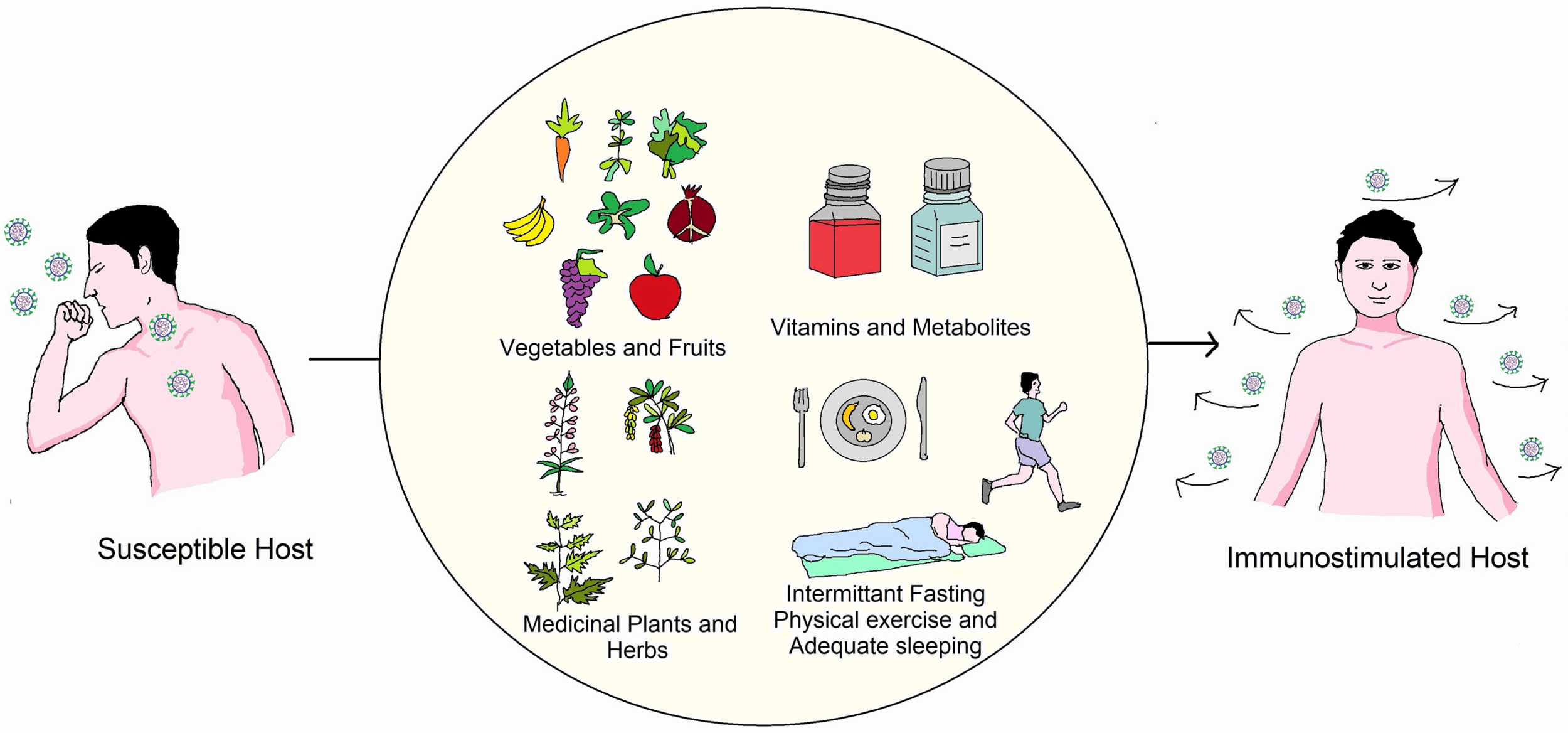
Drought conditions create a cascade of challenges for the immune system. Stress from water scarcity, increased dust and air pollution, and compromised nutrition all contribute to immune suppression. It’s a time when we need to be especially diligent about supporting our body’s defenses. Choosing herbs that are themselves drought-tolerant is a smart strategy, ensuring both access and sustainability.
Astragalus root is a sturdy immune tonic. It has a long history in Chinese medicine for building up defenses. Since the plant is naturally drought-resistant, it's one of the few reliable medicines we can still grow easily in dry, dusty conditions.
Elecampane (Inula helenium) is another valuable ally during droughts. It’s a lung protector, helping to clear congestion and soothe irritation caused by dust and air pollutants. These pollutants are often more prevalent during dry spells, exacerbating respiratory issues. It’s a robust plant that can handle drier conditions, but ethical sourcing is paramount as demand increases.
When sourcing these herbs, prioritize suppliers who practice sustainable harvesting methods. Overharvesting can decimate wild populations, undermining the long-term availability of these vital resources. Look for certified organic options or support local growers who are committed to responsible land stewardship.
Nervous System Support During Storms
Intense storms can be incredibly disruptive to the nervous system. The fear, anxiety, and uncertainty associated with severe weather can trigger a cascade of stress hormones, leading to feelings of overwhelm and exhaustion. Supporting the nervous system during and after storms is essential for maintaining emotional equilibrium and resilience.
The vagus nerve plays a central role in regulating the body’s stress response. Stimulating the vagus nerve can help calm the nervous system and promote relaxation. Lemon Balm is a wonderful herb for this purpose. It contains compounds that bind to GABA receptors in the brain, which have a calming effect. I’ve personally found a cup of Lemon Balm tea incredibly helpful after particularly frightening weather events.
Gotu Kola is another valuable herb for nervous system support. It’s known to enhance cognitive function and improve resilience to stress. Storms can impair our ability to think clearly and make sound decisions, so supporting cognitive function is crucial. It’s thought to improve circulation to the brain, promoting optimal neurological function.
Consider incorporating calming practices alongside herbal remedies. Deep breathing exercises, meditation, and spending time in nature (when safe) can all help to soothe the nervous system and promote a sense of grounding.
- Try deep breathing or meditation to settle the vagus nerve after a storm.
- Meditation
- Spending time in nature (when safe)
Hormonal health in extreme heat
The transition through perimenopause and menopause already presents a unique set of challenges, and these are significantly amplified by the added stress of a changing climate. Hormonal shifts can exacerbate sensitivity to heat, stress, and environmental toxins, making it harder to cope with extreme weather events.
Hot flashes, for example, are often triggered by fluctuations in estrogen levels. These can be particularly debilitating during heatwaves, creating a vicious cycle of discomfort. Stress, which is heightened by climate anxiety and extreme weather events, can further disrupt hormonal balance, worsening symptoms. It’s a complex interplay of physiological and environmental factors.
As mentioned on Facebook, integrative approaches are key. Herbs that support hormonal balance and nervous system health are particularly valuable during this time. Black Cohosh can help alleviate hot flashes, while Shatavari provides nourishing support for the reproductive system. Adaptogens like Ashwagandha can help regulate cortisol levels and improve stress resilience.
This is a particularly vulnerable time for many, and climate stress adds another layer of complexity. Prioritizing self-care, seeking support from community, and incorporating climate-resilient herbal remedies can help navigate these challenges with greater ease.
Rooted Resilience: Cultivating Your Own Herbs
One of the most empowering things you can do is grow your own herbs. This ensures access to fresh, potent remedies, builds self-sufficiency, and fosters a deeper connection to the natural world. It’s a proactive step toward resilience in the face of climate change.
Focus on easy-to-grow, drought-tolerant options like Rosemary, Thyme, Lavender, and Yarrow. These herbs not only thrive in drier conditions but also offer a wide range of medicinal benefits. Rosemary is a cognitive stimulant and antioxidant, Thyme is an antimicrobial and expectorant, Lavender is calming and soothing, and Yarrow is a wound healer and anti-inflammatory.
Start small and choose herbs that align with your needs and growing conditions. Container gardening is a great option if you have limited space. And don’t forget the importance of seed saving. Collecting and storing seeds from your plants ensures a continuous supply for future generations. This is a powerful act of resistance and self-care.
I believe empowering people to grow their own medicine is a vital step towards building a more resilient and sustainable future. It’s about reclaiming our agency and taking control of our health.
Content is being updated. Check back soon.
Herbal First Aid for Extreme Weather Injuries
Extreme weather events often lead to a surge in minor injuries. Knowing how to use herbs for common ailments can be incredibly valuable, especially when access to conventional medical care is limited. A traditional healer, as described on Facebook, would possess an extensive knowledge of these applications.
Sunburns are a common occurrence during heatwaves. Aloe Vera gel provides soothing relief and promotes healing. Calendula oil can also help reduce inflammation and prevent infection. Heat rash can be treated with Chamomile or Lavender infusions, which have cooling and anti-inflammatory properties.
Dehydration is a serious risk during prolonged heat. Electrolyte-rich herbal infusions, made with herbs like nettle and dandelion, can help replenish lost fluids and minerals. Minor burns can be treated with Plantain or Comfrey – use Comfrey with caution, as it contains pyrrolizidine alkaloids that can be harmful if ingested in large quantities.
Proper identification of herbs is crucial before using them medicinally. If you're unsure about a plant, consult with a qualified herbalist or healthcare professional. Always start with a small amount to test for allergic reactions.
Featured Products

Supports immune function and provides antioxidant support · Formulated with Astragalus Root, Schisandra Berry, and Ligustrum · Vegan liquid phyto-caps for easy consumption
This supplement harnesses the power of adaptogenic herbs like Astragalus and Schisandra to support the body's resilience during stressful environmental conditions.
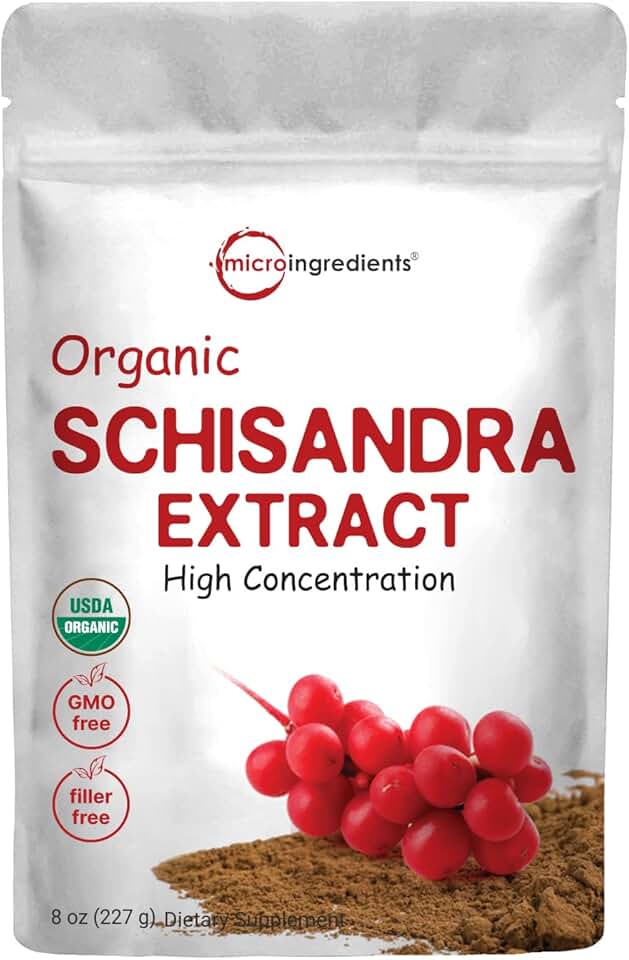
Pure Schisandra extract powder, filler-free · Supports liver detoxification and cognitive health · USDA Organic and Non-GMO
Organic Schisandra powder offers a concentrated dose of this traditional adaptogen, known for its ability to help the body adapt to stress and support overall well-being.

Organic Tulsi & Ginger herbal tea blend · Helps relieve stress, tension, and irritability · Caffeine-free, USDA Organic, and Kosher certified
Tulsi (Holy Basil) is a revered adaptogen that, combined with warming ginger, provides a soothing ritual to calm the nervous system amidst environmental stressors.

Alcohol-free Lemon Balm extract · Supports a calm mood and cognitive function · USDA Organic
Lemon Balm is a gentle herb known for its calming properties, helping to ease feelings of stress and promote mental clarity, making it ideal for maintaining balance.

Drought-tolerant wildflower seed mix · Includes 21 different dryland species · Over 7,500 open-pollinated, non-GMO seeds
This seed kit provides a beautiful and resilient garden solution, designed to thrive in dry conditions and support local ecosystems, contributing to biodiversity.
As an Amazon Associate I earn from qualifying purchases. Prices may vary.

No comments yet. Be the first to share your thoughts!