

Stress in 2026: Why Adaptogens?
Stress feels heavier these days. Global instability, economic worries, and constant digital noise are pushing people's stress levels higher than ever. I see this overwhelm in my practice daily, which is why adaptogens are such a common topic.
Adaptogens aren't a magic cure for stress. They don't eliminate stress entirely, which isn't realistic or even desirable. Small doses of stress can be motivating. Instead, these plants help your body respond to stress more effectively, strengthening natural defenses rather than building a wall. They support the body's existing capabilities.
From a traditional healing perspective, adaptogens restore balance. Stress disrupts our systems, and adaptogens help bring them back toward equilibrium. Interest in these herbs is surging, especially on social media where practitioners share knowledge. Posts often highlight their benefits for hormone balance and overall well-being, expanding the conversation.
Russian researchers popularized the term 'adaptogen' in the mid-20th century while seeking ways to help athletes and soldiers cope with extreme stress. They identified plants that uniquely increased resistance to various stressors. This foundational research remains relevant and informs our current understanding of these herbs.
Rhodiola: The Resilience Booster
Rhodiola Rosea, or Rhodiola, has a long history in traditional medicine, especially in Siberia and the Himalayas. Healers used it for centuries to boost stamina, improve mental performance, and help people endure harsh environments. This resilient plant, thriving at high altitudes, seems to impart that resilience to its users.
Rhodiola appears to work by regulating the body's response to cortisol, the primary stress hormone. It doesn't necessarily lower cortisol levels universally but helps prevent chronic elevation, a major factor in stress-related health issues. This distinction is important.
Research suggests Rhodiola can improve mental performance under pressure, enhancing focus, concentration, and memory. A 2002 study in Phytomedicine found it significantly improved mental fatigue and cognitive function in medical students during exams. While more research is needed, initial findings are promising. Practitioners also recommend it for daily well-being.
Rhodiola isn't a quick fix; its effects build over several weeks of consistent use. Potential side effects are generally mild, such as dizziness or dry mouth. Start with a low dose and increase gradually.
Ashwagandha: Calming the Nervous System
Ashwagandha is a cornerstone of Ayurvedic medicine, an Indian healing system thousands of years old. Classified as a Rasayana, it's a rejuvenating tonic promoting longevity and vitality. Used for centuries to address many conditions, its ability to calm the nervous system and reduce stress is its most well-known benefit.
Ashwagandha modulates the hypothalamic-pituitary-adrenal (HPA) axis, the body's central stress response system. By regulating the HPA axis, it can lower cortisol levels, reduce anxiety, and improve sleep quality. A 2019 randomized, double-blind, placebo-controlled trial in The Journal of the International Society of Sports Nutrition found Ashwagandha supplementation significantly reduced perceived stress and cortisol levels in adults.
Ashwagandha is available as powder, capsules, and tinctures. Bioavailability varies by form; tinctures, especially alcohol-based, are often more readily absorbed than powders. Powders are typically more affordable and can be added to smoothies. Standardized extracts ensure consistent potency.
While generally safe, potential side effects include digestive upset, drowsiness, or rarely, liver problems. It's not recommended for pregnant or breastfeeding women. Start with a low dose and monitor your response. This herb is frequently recommended for stress management.
Holy Basil (Tulsi): Beyond a Tea
Holy Basil, or Tulsi, is another revered Ayurvedic herb. Unlike culinary basil, Holy Basil has a peppery, clove-like flavor and is sacred in Hinduism. It's more than a calming tea; it's a powerful adaptogen with broad potential benefits.
In Ayurveda, Tulsi is classified as a Rasayana, a rejuvenative tonic that promotes longevity, boosts immunity, and enhances well-being. Its impact extends beyond subjective feelings to physiological processes. Research suggests Tulsi helps regulate blood sugar and reduce inflammation, both often worsened by chronic stress.
Tulsi leaves are rich in antioxidants, protecting the body from free radical damage. This contributes to its overall protective effects. A 2017 study in Phytotherapy Research found Tulsi extract significantly reduced oxidative stress and improved immune function in healthy volunteers.
Tulsi acts as a holistic herb, nourishing the entire system rather than just calming nerves. It supports the body’s natural ability to heal and adapt. It can be enjoyed as a tea, in capsule form, or as a tincture for a concentrated dose.
Schisandra: The Five-Flavor Berry
undefined significant in Traditional Chinese Medicine (TCM), where it’s believed to balance the energies of the five elements. It’s a climbing vine native to forests and mountains of Russia, China, and Korea.
In TCM, Schisandra is considered a tonic for all three treasures: Jing (vital essence), Qi (vital energy), and Shen (spirit). It’s believed to nourish the kidneys, support liver health, and calm the mind. Modern research suggests it may have a protective effect on the liver, helping to detoxify the body and improve liver function.
Interestingly, Schisandra can actually improve mental clarity and focus despite stress. It’s thought to do this by enhancing the body’s ability to cope with stress and protecting the brain from damage. A study published in Nutrients in 2020 found that Schisandra extract improved cognitive performance and reduced fatigue in participants exposed to stressful conditions.
The berry itself is quite small and tart, so it’s often consumed as a powder, capsule, or tincture. It’s a less common adaptogen in the West, but its unique properties make it a valuable addition to any herbal toolkit.
Cordyceps: Energy Without the Jitters
Cordyceps is a fascinating mushroom with a long history of use in Traditional Chinese and Tibetan medicine. It grows on the larvae of insects (hence the name!), and was traditionally used to boost energy, improve stamina, and support respiratory health. It’s a bit different than the other adaptogens we’ve discussed, as it's a fungal powerhouse.
Unlike caffeine, which stimulates the nervous system and can lead to jitters and crashes, Cordyceps works by supporting mitochondrial function. Mitochondria are the powerhouses of our cells, and by improving their function, Cordyceps can increase energy production in a sustained and balanced way. It’s about providing the body with the resources it needs to generate energy, rather than artificially stimulating it.
Research suggests Cordyceps may also improve athletic performance and recovery. A study published in The Journal of Dietary Supplements in 2016 found that Cordyceps supplementation increased exercise endurance and reduced fatigue in healthy adults. It’s become increasingly popular among athletes and fitness enthusiasts for this reason.
You'll typically find Cordyceps in capsule or powder form. It's often combined with other adaptogens to create synergistic effects. It’s a good option for those who are looking for a natural energy boost without the side effects of caffeine.
Asian Ginseng: A Classic for a Reason
Asian Ginseng, specifically Panax ginseng, has been used in Traditional Chinese Medicine for thousands of years. It’s considered one of the most important herbs in the materia medica, and for good reason. It has a long history of use for improving cognitive function, boosting energy, and enhancing resilience to stress.
There are different types of ginseng, with Panax ginseng (also known as Korean ginseng) and Panax quinquefolius (American ginseng) being the most commonly used. Panax ginseng tends to be more stimulating, while American ginseng is more calming. Both types can help improve cognitive function and reduce stress, but they have slightly different properties.
Research suggests that ginseng can improve memory, enhance concentration, and protect the brain from age-related decline. A meta-analysis published in The Cochrane Library in 2010 found that ginseng improved cognitive performance in individuals with Alzheimer’s disease. However, it’s important to note that ginseng isn’t for everyone. It can interact with certain medications, and it’s not recommended for people with high blood pressure or anxiety.
Potential side effects include insomnia, nervousness, and digestive upset. It’s crucial to start with a low dose and monitor your body’s response. And, as with all adaptogens, it’s best to consult with a healthcare professional before adding it to your routine.
Adaptogen Safety & Considerations
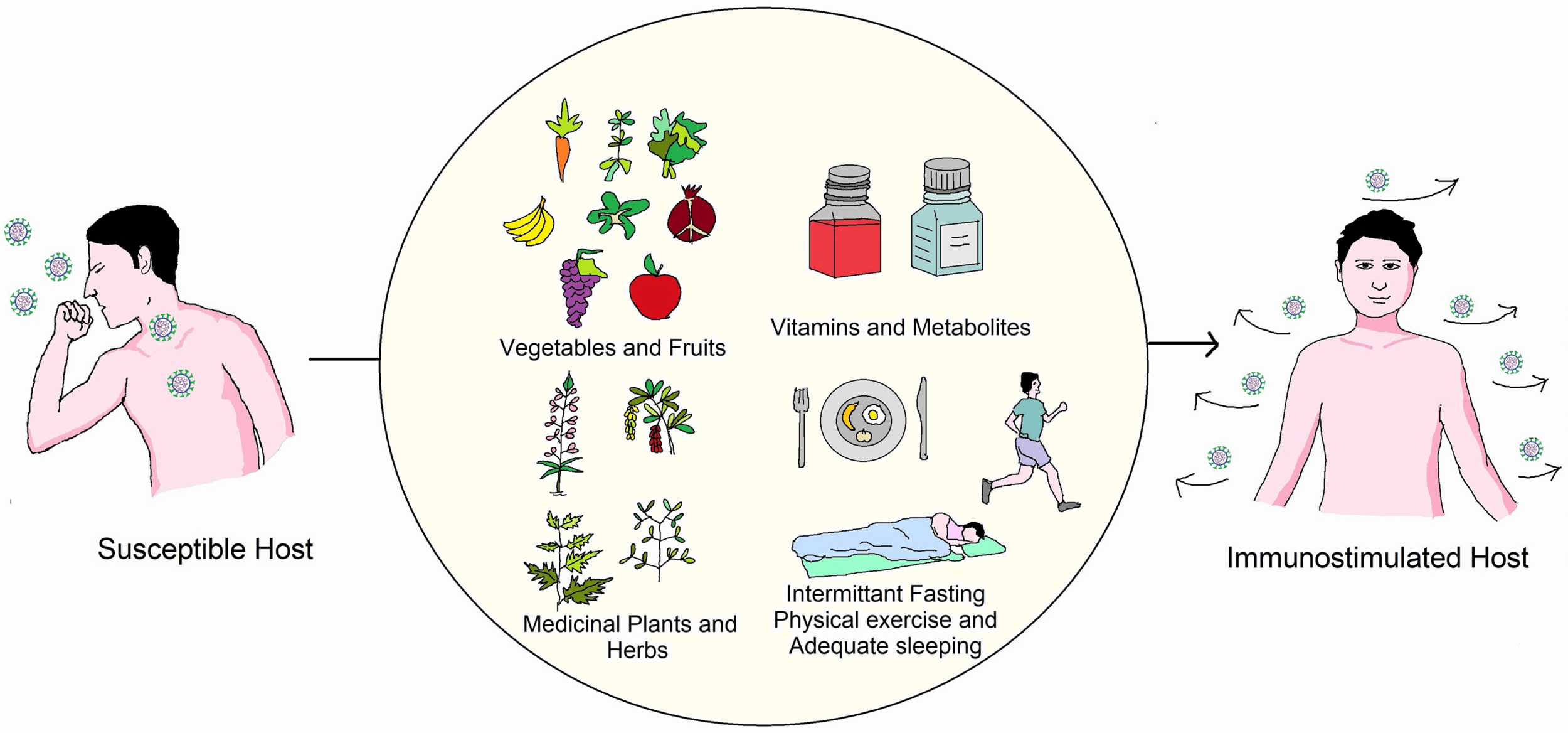
Let me be very clear: adaptogens are not a replacement for medical care or healthy lifestyle habits. They are tools to support your body’s natural ability to cope with stress, but they aren’t a magic bullet. A balanced diet, regular exercise, adequate sleep, and strong social connections are all essential for managing stress effectively.
Potential interactions with medications are a serious concern. Some adaptogens, like Ashwagandha and Ginseng, can interact with blood thinners, immunosuppressants, and other medications. Always consult with your doctor or a qualified healthcare professional before taking adaptogens, especially if you have any underlying health conditions or are taking any medications. The UCLA Health article on adaptogens is a good resource for understanding potential risks and benefits.
Sourcing high-quality herbs is also crucial. The supplement industry is not always well-regulated, and the potency and purity of herbal products can vary widely. Look for brands that are third-party tested for quality and that source their herbs from reputable suppliers. Organic certification is also a good indicator of quality.
When starting with adaptogens, it’s best to start with a low dose and gradually increase as needed. Pay attention to how your body responds, and adjust the dose accordingly. Everyone is different, and what works for one person may not work for another. Listen to your body and be patient. And remember, the goal is to find a sustainable way to support your body’s natural resilience.

No comments yet. Be the first to share your thoughts!