

Immune Boosting Herbs: A 2026 Snapshot
People are increasingly looking beyond conventional medicine for preventative health. This shift has fueled interest in herbal remedies, especially tinctures for immune support. It’s about taking a more active role in our well-being, not rejecting modern medicine.
Generations have relied on plants for health, and that knowledge endures. Research now explores the medicinal properties of herbs, showing that supporting the immune system means building resilience against stress and maintaining vitality.
Making your own herbal tinctures reclaims this knowledge. It’s accessible; you don’t need special skills. With guidance, anyone can create personalized remedies. This guide offers a practical approach to crafting immune-supporting tinctures.
Control is another appeal. Knowing your medicine's ingredients, origin, and creation offers assurance lacking in commercial products. It’s a more direct relationship with nature and your health.
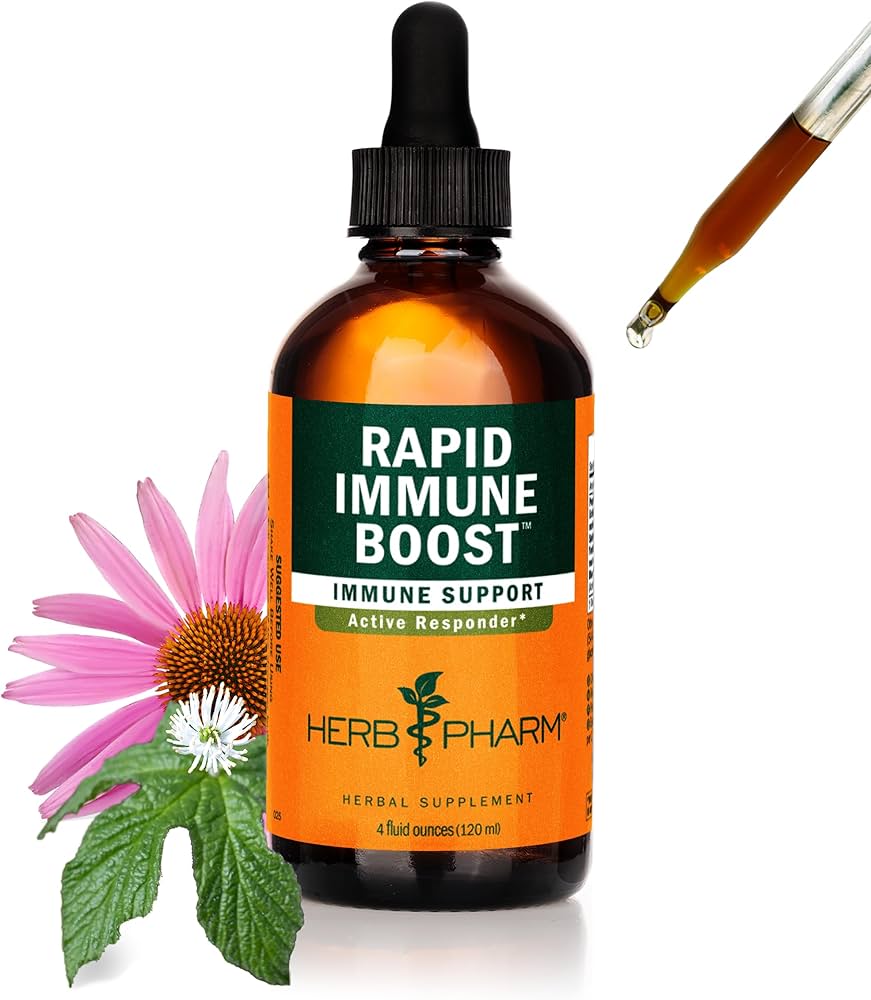
Tincture Basics: What Are You Making?
A tincture is a concentrated liquid extract of a plant’s medicinal properties, made by soaking plant material in a solvent, usually alcohol, to draw out active compounds. It’s like a strong herbal tea, but the plant’s essence is preserved in alcohol.
Alcohol (ethanol) acts as both a solvent, extracting water- and fat-soluble plant compounds, and a preservative. The alcohol's proof matters: higher proofs extract more resinous compounds, while lower proofs suit delicate flowers.
Alcohol proofs vary in extraction. 40% alcohol (80 proof vodka) is a good start for many herbs, balancing extraction and palatability. 60% (120 proof) is stronger, better for resins, and 95% is for specific, harsh extractions. Glycerin is an alcohol-free alternative for children or those avoiding alcohol, but it extracts less efficiently and has a shorter shelf life.
80-proof vodka is a good choice for most tinctures. It’s available, affordable, and doesn’t add strong flavor. Use a quality vodka without added sugars or flavorings, as the solvent's quality matters when concentrating plant material.
- 40% Alcohol (80 Proof Vodka): Good all-purpose solvent.
- 60% Alcohol (120 Proof Grain Alcohol): Stronger extraction, suited for resins.
- 95% Alcohol (190 Proof Grain Alcohol): Most potent, for specific extractions, use with caution.
- Glycerin: Alcohol-free alternative, less efficient extraction, shorter shelf life.
Alcohol Proof Comparison for Tincture Making
| Alcohol Proof (%) | Extraction Efficiency | Preservation Capability | Impact on Taste |
|---|---|---|---|
| 40% | Low | Poor | Noticeable |
| 50% | Medium | Fair | Mild |
| 60% | Medium | Good | Mild |
| 95% | High | Good | Subtle |
Illustrative comparison based on the article research brief. Verify current pricing, limits, and product details in the official docs before relying on it.
Herbs for Immune Resilience
Choosing the right herbs is central to effective immune-supporting tinctures. The following herbs have a long history of traditional use and growing scientific support. This information is for educational purposes only. Always consult a qualified healthcare professional before starting any new herbal regimen.
Elderberry (Sambucus nigra): Perhaps the most well-known for its antiviral properties, elderberry has been traditionally used to combat colds and flu. Research from 2019 published in Complementary Therapies in Medicine showed elderberry extract significantly reduced the duration and severity of influenza symptoms. Use the berries, not the leaves or stems, which can be toxic.
Echinacea (Echinacea purpurea, E. angustifolia): A classic immune stimulant, Echinacea is believed to enhance the activity of immune cells. A 2022 meta-analysis in Frontiers in Immunology suggests Echinacea may reduce the risk of catching a cold, and shorten its duration if you do get sick. There are varying species, with purpurea being more readily available.
Astragalus (Astragalus membranaceus): Used in Traditional Chinese Medicine for centuries, Astragalus is an adaptogen, meaning it helps the body adapt to stress. It's thought to enhance immune function by increasing the production of immune cells. A 2018 study in the Journal of Dietary Supplements indicated Astragalus supplementation improved immune response in elderly individuals.
Ginger (Zingiber officinale): Beyond its culinary uses, ginger possesses potent anti-inflammatory and antioxidant properties. It can help soothe a sore throat and boost immune function. The active compound, gingerol, has demonstrated antiviral activity in laboratory studies.
Garlic (Allium sativum): A culinary staple and a powerful immune booster. Garlic contains allicin, a compound with antibacterial and antiviral properties. Research from 2020 in Advances in Nutrition suggests garlic supplementation can reduce the incidence of colds.
Rose Hips (Rosa spp.): The fruit of the rose plant, rose hips are incredibly rich in Vitamin C, a vital nutrient for immune function. They also contain antioxidants that protect cells from damage. They make a lovely, flavorful tincture.
Yarrow (Achillea millefolium): Traditionally used to stop bleeding and fight infection, yarrow has both anti-inflammatory and antimicrobial properties. It's often used for fevers and colds. Use with caution if allergic to ragweed.
Thyme (Thymus vulgaris): A common kitchen herb, thyme contains thymol, a powerful antiseptic and antibacterial compound. It can help relieve coughs and congestion. It’s a strong herb, so use in moderation.
Caution: It's important to note that herbal remedies are not without potential interactions or side effects. Always research an herb thoroughly before using it, and consult with a qualified healthcare professional if you have any concerns.
Gathering and Preparing Your Herbs
Herb quality directly impacts tincture potency. Sourcing options include wildcrafting, buying from reputable suppliers, and growing your own. Wildcrafting requires extensive knowledge of plant identification and ethical harvesting. Never harvest from polluted areas, and always leave enough of the plant for its survival.
Buying from a reputable supplier is convenient and often safest. Look for companies prioritizing organic and sustainable practices. Mountain Rose Herbs and Starwest Botanicals are well-regarded suppliers. Check for third-party testing to verify purity and potency.
Growing your own herbs offers complete control over quality. Even a small garden or windowsill pots can yield medicinal herbs. It takes time and effort, but the benefits are substantial.
After gathering, dry herbs properly. Spread them in a single layer on a screen or cloth in a cool, dark, well-ventilated space, avoiding direct sunlight which degrades compounds. Roots and barks take longer than leaves and flowers. Herbs are dry when they crumble easily. Fresh herbs can be used, but the tincture will have a shorter shelf life.
The Tincture Making Process: Step-by-Step
To make a tincture, the standard method uses a 1:5 ratio of dried herb to alcohol (1 part herb to 5 parts alcohol by weight). For fresh herbs, use a 1:2 ratio. The "folk method" uses volume measurements, like filling a jar with herbs and covering with alcohol. While less precise, it can yield effective tinctures.
undefined 3. Add 100ml of 80-proof vodka. 4. Ensure the herbs are completely submerged in the alcohol. 5. Seal the jar tightly and shake well. 6. Store the jar in a cool, dark place for 4-6 weeks, shaking it daily.
After the maceration period, strain the tincture through a fine-mesh sieve lined with cheesecloth. Squeeze the herbs to extract as much liquid as possible. Discard the spent herbs. Pour the tincture into dark glass bottles and label them with the herb name, alcohol content, and date. Dark glass protects the tincture from light degradation.
The key to a good tincture is patience. Allowing sufficient maceration time ensures maximum extraction of the plant’s medicinal compounds. It's also important to use a quality alcohol and store the tincture properly to maintain its potency. A well-made tincture can last for several years if stored correctly.
Dosage and Safety Considerations
Determining the appropriate dosage of an herbal tincture is a complex process, varying based on the herb, the individual's weight, health status, and sensitivity. A general guideline is 15-30 drops (approximately 1-2 ml) taken 3-4 times daily. Always start with a lower dose and gradually increase as needed, paying close attention to your body’s response.
Potential side effects vary depending on the herb. Some herbs may cause digestive upset, while others may interact with medications. For example, Echinacea should be avoided by individuals with autoimmune disorders. It's crucial to research each herb thoroughly and be aware of any potential contraindications.
Herbal tinctures are powerful tools, but they are not a substitute for conventional medical care. If you are pregnant, breastfeeding, taking medications, or have any underlying health conditions, consult with a qualified healthcare professional before using herbal tinctures.
Listen to your body. If you experience any adverse effects, discontinue use immediately. Herbal medicine is about finding what works best for you, and that requires careful observation and self-awareness.
Troubleshooting Common Tincture Problems
Even with careful attention to detail, problems can arise during tincture making. Mold growth is a concern, particularly with fresh herbs. Ensuring the herbs are completely submerged in alcohol is crucial. If you see mold, discard the entire batch. Cloudiness can occur due to the presence of plant particles; this is usually harmless, but can be reduced by filtering the tincture more thoroughly.
Separation, where the alcohol and herbal extract separate, is also common. This is easily remedied by shaking the bottle before each use. A weak potency often indicates insufficient maceration time or poor-quality herbs. Using a higher proof alcohol or extending the maceration period can help.
I once made an elderberry tincture with herbs that weren't fully dried. It developed a slight fizz and tasted…off. I had to throw it out. It was a valuable lesson about the importance of proper preparation. Don’t be discouraged by mistakes; they’re part of the learning process.
Building confidence comes with experience. Don’t be afraid to experiment, observe, and learn from your successes and failures. The more you practice, the more comfortable and skilled you’ll become.
Beyond the Basics: Advanced Techniques
Once you’ve mastered the basic tincture-making process, you can explore more advanced techniques. Double extraction is useful for herbs containing both water-soluble and fat-soluble compounds, involving an initial water extraction followed by an alcohol extraction. Percolation involves slowly passing alcohol through a column of herbs, providing continuous extraction.
Experimenting with different menstruums – the solvent used for extraction – can also yield interesting results. Vinegar can be used for mineral-rich herbs, while glycerin blends can offer an alcohol-free alternative. These techniques require more specialized knowledge and equipment.
For continued learning, the American Herbalists Guild () is an excellent resource, offering educational programs and a directory of qualified herbalists. The American College of Healthcare Sciences (ACHS) also provides comprehensive herbalism courses.
Making your own herbal tinctures is a journey, not a destination. It’s about connecting with the healing power of plants, taking control of your health, and embracing the wisdom of generations. I hope this guide has inspired you to embark on your own herbal adventure.
No comments yet. Be the first to share your thoughts!