

Spring cleaning for the body
For centuries, spring has been recognized as a time for purification and renewal. Traditional cultures understood this as a natural alignment with the Earth’s cycles – a time when the sap rises, plants emerge, and the world awakens after a period of dormancy. Our bodies, too, respond to these shifts, and spring offers an ideal opportunity to support our own internal cleansing processes.
During winter, our metabolic rate naturally slows down, and we tend to consume heavier, more nourishing foods. While this is perfectly healthy, it can also lead to a buildup of metabolic byproducts and toxins. The Ayurvedic tradition refers to this accumulation as "ama" – an undigested residue that can contribute to sluggishness, fatigue, and imbalances. We aren't necessarily talking about pollutants, but the result of incomplete digestion and a less active lifestyle.
A gentle, herbal approach to spring detox is far more beneficial than harsh, restrictive cleanses. Those extreme methods can shock the system and do more harm than good. Instead, we want to support the body’s innate ability to eliminate waste and restore balance through nourishing foods, targeted herbs, and mindful practices. This isn’t about punishment; it’s about partnership.
Modern life is heavy on processed sugar and stress, which makes a seasonal reset feel less like a luxury and more like a necessity. Using herbs to nudge the body's natural filters helps clear that winter fog without the crash of a restrictive juice fast.
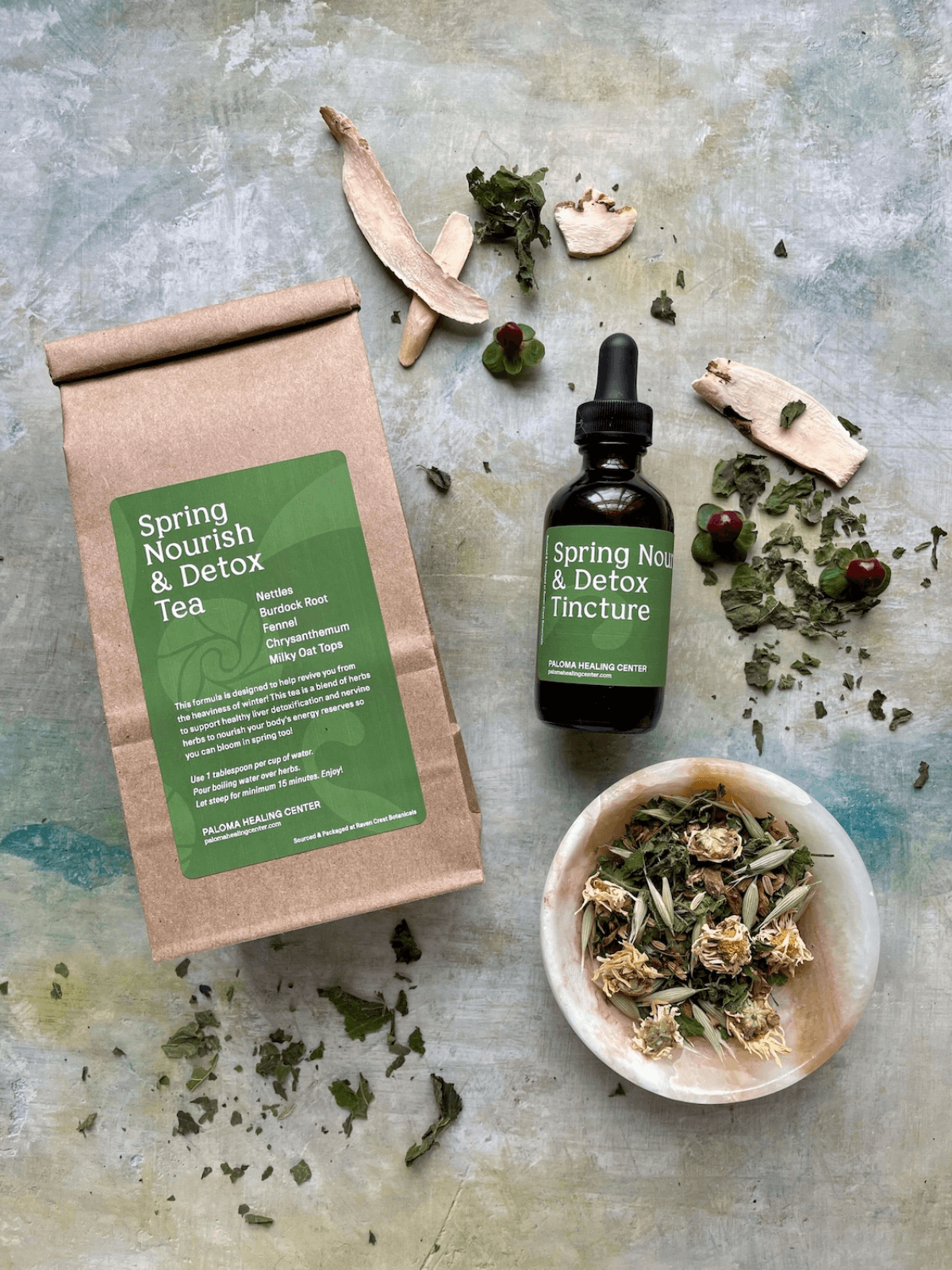
Bitters for better digestion
The foundation of a spring detox lies in supporting digestion. That's where bitter herbs come in. They’ve been used for centuries to stimulate the entire digestive system, from the mouth to the colon. Bitters aren’t about a taste preference; they are about a physiological effect. They trigger the release of digestive juices, improve nutrient absorption, and encourage regular bowel movements.
Dandelion greens are a particularly accessible and potent bitter herb. They support liver function, aiding in the detoxification of toxins. Chicory root is another excellent choice, known for its prebiotic properties that nourish beneficial gut bacteria. Burdock root, often used in traditional Chinese medicine, is renowned for its ability to "cool the blood" and support skin health by promoting elimination through the skin.
I usually toss dandelion, radicchio, and endive into a bowl with a sharp vinaigrette. If you want something warmer, simmer those same greens into a broth with garlic and ginger. It’s a more direct way to get the benefits than just sipping infused water.
The way bitters work is fascinating. They activate receptors on your tongue that signal to your digestive system to prepare for food. This improves the breakdown of fats, proteins, and carbohydrates, maximizing nutrient uptake and reducing digestive discomfort. They truly are a cornerstone of any spring cleansing protocol.
- Dandelion water: Add a tablespoon of chopped leaves to a liter of water and let it sit for 30 minutes.
- Dandelion Green Salad: Combine dandelion greens, radicchio, endive, and a light vinaigrette dressing.
- Digestive tonic: Use 15 drops of dandelion tincture about 20 minutes before you eat.
Foraging for spring herbs
Spring offers a wealth of wild-foraged herbs that can enhance a detox. Chickweed, with its delicate flavor, is a fantastic lymphatic tonic, helping to move stagnant fluids and support the body’s natural drainage systems. Violet leaves are rich in vitamins A and C and offer soothing properties for both the skin and respiratory system.
Nettle is a true spring superstar, packed with minerals like iron, calcium, and magnesium. It’s incredibly nourishing and has anti-inflammatory properties. The sting from the leaves disappears when cooked or infused into tea. Nettle helps to replenish vital nutrients often depleted during winter. It is a great addition to soups or teas.
Responsible foraging is absolutely crucial. Never harvest plants from polluted areas or those you cannot positively identify. Only take what you need, leaving plenty for the plant to regenerate and for wildlife. Respect the environment and avoid disturbing sensitive ecosystems. A good rule of thumb is to only harvest about 10% of any plant population you find.
I strongly advise consulting with a qualified herbalist before using any foraged plants, especially if you have any underlying health conditions or are taking medications. Misidentification can be dangerous, and some plants have look-alikes that are toxic. Prioritize safety and education.
A seven-day herbal plan
This 7-day plan isn’t about deprivation; it’s about supporting your body’s natural detoxification processes. It's designed to be gentle and sustainable, focusing on nourishment and restoration. The program draws inspiration from the 7-day detoxification program outlined by the University of Wisconsin-Madison, but with a specific herbal focus.
Day 1: Hydration. Focus on drinking plenty of water – at least 8 glasses – infused with lemon and dandelion root. Day 2: Liver Support. Incorporate dandelion greens into your meals and drink dandelion root tea. Day 3: Digestive Aid. Enjoy a bitter green salad before each meal and sip on chamomile tea. Day 4: Lymphatic Drainage. Drink nettle tea and engage in gentle dry brushing.
Day 5: Skin Brushing. Continue dry brushing and apply a nourishing oil to your skin. Day 6: Mindful Movement. Practice yoga or take a gentle walk in nature. Focus on deep breathing exercises. Day 7: Rest. Prioritize sleep and relaxation. Enjoy a warm Epsom salt bath with a few drops of lavender essential oil.
Throughout the week, minimize processed foods, sugar, caffeine, and alcohol. Focus on whole, organic foods – fruits, vegetables, lean proteins, and healthy fats. This blueprint isn’t rigid; listen to your body and adjust as needed. The goal is to support, not to punish.
7-Day Spring Detox Plan with Wild Foraged Herbs & Natural Remedies (2026)
| Day | Focus | Herbal Remedy | Food Recommendations | Lifestyle Tip |
|---|---|---|---|---|
| Day 1 | Liver Support | Dandelion Root Tea (Taraxacum officinale) | Lightly steamed vegetables, apples, and whole grains. | Gentle stretching or a short walk to stimulate circulation. |
| Day 2 | Digestive Cleansing | Ginger & Fennel Seed Infusion | Warm oatmeal with berries, easily digestible soups. | Practice mindful eating - chew food thoroughly. |
| Day 3 | Kidney Flush | Parsley Tea (Petroselinum crispum) | Cucumber and celery sticks, herbal teas, water. | Increase water intake throughout the day. |
| Day 4 | Lymphatic Drainage | Cleavers Tea (Galium aparine) | Salad greens, light protein sources like fish. | Dry brushing before showering to encourage lymphatic flow. |
| Day 5 | Bowel Regularity | Gentian Root Tincture (small dose - follow preparation guidelines) | Prune juice, fiber-rich fruits and vegetables. | Engage in moderate exercise like yoga or swimming. |
| Day 6 | Emotional Release | Lemon Balm Tea (Melissa officinalis) | Comforting vegetable broth, whole grains. | Journaling or meditation to process emotions. |
| Day 7 | Rest & Rejuvenate | Nettle Leaf Tea (Urtica dioica) | Nourishing soup, seasonal fruits. | Prioritize restful sleep and minimize screen time. |
Illustrative comparison based on the article research brief. Verify current pricing, limits, and product details in the official docs before relying on it.
Beyond the Herbs: Lifestyle Support
Herbs are powerful allies, but they work best when combined with a supportive lifestyle. Adequate sleep is paramount – aim for 7-9 hours of quality sleep each night. Stress management techniques, such as meditation, deep breathing exercises, or spending time in nature, can significantly reduce the burden on your detoxification systems.
Gentle exercise, like walking, yoga, or swimming, promotes circulation and lymphatic drainage. Dry brushing, using a natural-bristle brush, is an excellent way to stimulate the lymphatic system and encourage the removal of toxins. Epsom salt baths, rich in magnesium, can help relax muscles and further support detoxification.
Minimizing toxin exposure is also crucial. Choose organic foods whenever possible to reduce your intake of pesticides and herbicides. Switch to natural cleaning products and personal care items. Reduce your use of plastic, as it can leach harmful chemicals into your food and water.
Tincture Time: Concentrated Herbal Power
Tinctures are concentrated herbal extracts made by soaking herbs in alcohol (or glycerin) for several weeks. They offer a convenient and potent way to take herbs, as the alcohol (or glycerin) extracts the active compounds and preserves them for long-term use. They are particularly useful for herbs like dandelion root, nettle leaf, and violet leaf.
A basic folk method tincture is easy to make at home. Simply combine 1 part dried herb with 5 parts alcohol (80-proof vodka or brandy works well) in a glass jar. Seal tightly and let sit in a cool, dark place for 4-6 weeks, shaking occasionally. Strain the mixture through cheesecloth and store in a dark glass bottle.
The standard dosage for a tincture is typically 15-30 drops, 3-5 times per day. However, it’s important to start with a lower dose and gradually increase as needed. If you are sensitive to alcohol, you can use a glycerin tincture instead, although it may be less potent. Store tinctures in a cool, dark place for up to two years.



No comments yet. Be the first to share your thoughts!