
Introduction to Local Witch Doctor Remedies
The term "witch doctor" is an outdated label historically applied by European observers to traditional healers in African, Central American, and other indigenous societies. These practitioners, often referred to as native doctors or herbalists, blend spiritual guidance with medicinal plant knowledge. In modern contexts, this phrase serves as a metaphor for accessible, traditional herbalism that connects us to ancestral wisdom.
Historically, these healers viewed the body and mind as interconnected. Today, we understand this through the lens of the gut-brain axis, where gut health significantly influences stress levels and mental well-being. Traditional remedies often target this connection, using herbs that support digestion while calming the nervous system.
While scientific research is still evolving, many traditional herbs have shown promise in supporting gut health and reducing stress. We focus on safe, well-documented herbs that are accessible for home use, bridging the gap between ancient practice and modern wellness.
5 Local Witch Doctor Herbal Tincture Recipes for Modern Stress
These five herbal tincture recipes draw inspiration from traditional local healing practices, offering accessible botanical solutions for modern stress. Please note that these instructions are for educational purposes only and do not constitute medical advice; always consult a healthcare professional before starting new herbal regimens.
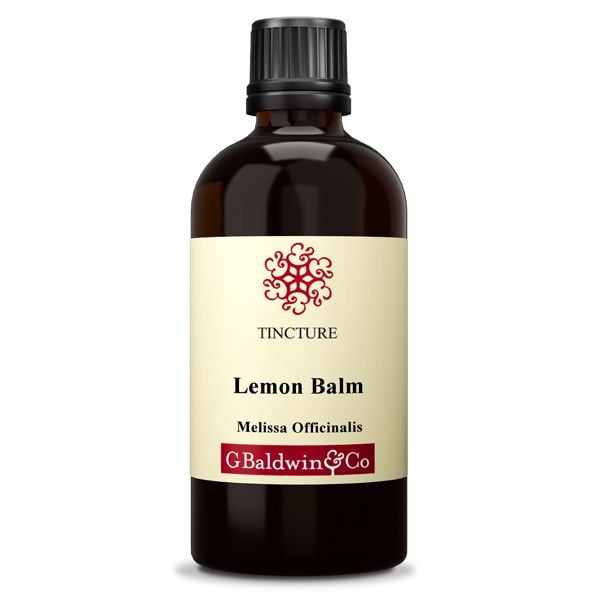
1. Ashwagandha and Lemon Balm Calming Tincture
This blend harmonizes adaptogenic ashwagandha with soothing lemon balm to gently lower cortisol levels during high-pressure days. The earthy roots balance the bright, citrusy herbs, creating a stable foundation for mental clarity without sedation. It serves as a daily anchor for those seeking resilience against modern burnout.
2. Holy Basil and Ginger Digestive Tincture
Holy basil, or tulsi, works synergistically with spicy ginger to settle the stomach and reduce inflammation. This tincture targets digestive discomfort caused by stress-induced gut issues, offering warmth and relief. The pungent ginger enhances absorption while tulsi provides adaptogenic support for overall wellness.
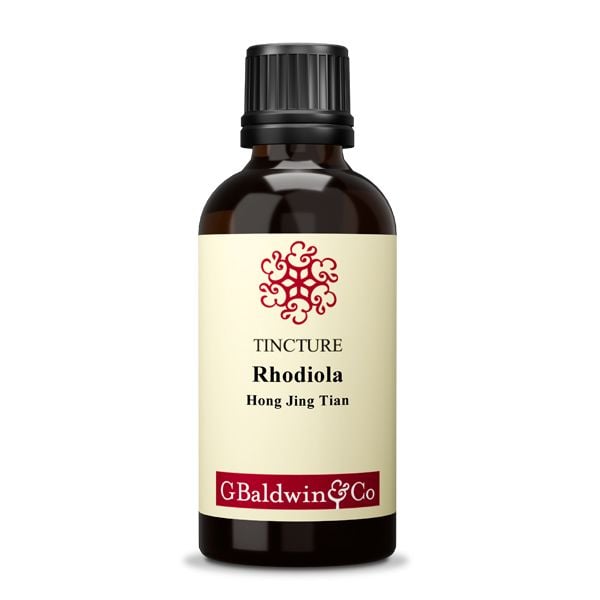
3. Rhodiola and Chamomile Sleep Support Tincture
Rhodiola helps regulate the stress response while chamomile promotes relaxation without heavy sedation. This combination supports natural sleep cycles by calming the nervous system before bed. The earthy rhodiola balances the floral notes of chamomile, creating a restorative blend for restless nights.
4. Schisandra and Peppermint Energy Tincture
Schisandra berries offer adaptogenic energy without caffeine jitters, paired with refreshing peppermint for mental alertness. This tincture supports sustained focus during long workdays by balancing stress hormones. The bright mint cuts through the berry’s tartness, making it a palatable morning ritual.
5. Lavender and Skullcap Anxiety Relief Tincture
Lavender soothes acute anxiety while skullcap calms nervous tension and supports restful sleep. This potent blend targets the physical symptoms of stress, such as muscle tightness and rapid heartbeat. The floral lavender complements the herbaceous skullcap, creating a deeply calming experience for overwhelmed minds.
Store and Use Your Tinctures Safely
The local witch doctor understands that a tincture is only as potent as its care. Proper storage preserves the herbal potency, while mindful dosing ensures the remedy supports your well-being without overwhelming your system. Treat these preparations with the same respect you would a traditional remedy passed down through generations.
Storage and Safety Checklist
Before you begin using your tinctures, ensure your workspace and supplies are ready. Use this checklist to maintain safety and quality.
- Sterilize glass dropper bottles and jars with boiling water or dishwasher cycles.
- Label every bottle with the herbal blend name and the date of preparation.
- Store tinctures in a cool, dark place away from direct sunlight and heat sources.
- Check expiration dates on alcohol or glycerin bases before mixing.
Measuring Your Dose
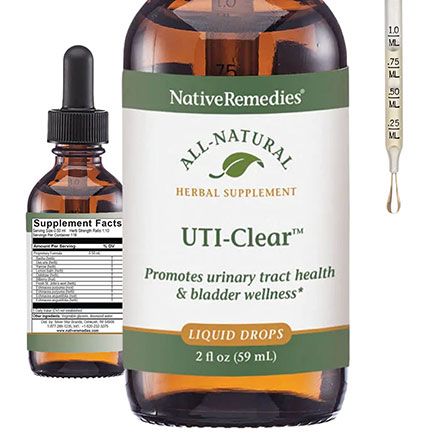
Accurate measurement is the bridge between traditional wisdom and modern safety. Most herbal tinctures are taken in drops, measured with a glass dropper included with your bottle. A standard adult dose often ranges from 1 to 2 milliliters, taken 2–3 times daily, but this varies by herb strength.
Always start with the lowest possible dose to assess your body’s response. Keep a simple journal to track how you feel after each use. If you are pregnant, nursing, or taking prescription medications, consult a healthcare provider before adding tinctures to your routine, as interactions can occur.
Recommended Supplies
Having the right tools makes the process safer and more efficient. These items help ensure your tinctures remain potent and uncontaminated.


As an Amazon Associate, we may earn from qualifying purchases.
Common Questions About Herbal Tinctures
Before you begin crafting your own remedies, it is important to understand the basics of preparation and safety. While the "local witch doctor" serves as a metaphor for accessible, traditional herbalism, these practices require respect and caution. Always consult a healthcare provider before starting any new herbal regimen, especially if you have existing health conditions or take medications.
No comments yet. Be the first to share your thoughts!