
A New Kind of Dose
For centuries, herbalism has been a cornerstone of wellness traditions across the globe. From ancient Ayurvedic practices to Traditional Chinese Medicine, the power of plants has been recognized and utilized for healing. Now, we're seeing a resurgence of interest, but with a modern twist: micro-dosing. This isn’t about large doses intended for immediate, dramatic effect, but about subtly supporting the body’s natural functions with very small, consistent applications of herbal remedies.
The concept of micro-dosing gained prominence with psychedelic compounds, but the principles apply beautifully – and legally – to the herbal world. Instead of seeking a peak experience, the aim is to enhance everyday well-being. Many see 2026 as a pivotal year for herbal micro-dosing. Increasing research into plant compounds, coupled with a growing consumer desire for natural alternatives and greater accessibility to quality herbs, are all contributing to this shift.
It’s important to understand this isn’t about chasing a "high’. It"s about providing the body with a gentle nudge in the right direction. Think of it as nutritional support, but on a more subtle, energetic level. The goal is to optimize function, improve resilience, and cultivate a sense of balance. This is a return to traditional practices, informed by modern understanding, and tailored to the individual's needs.
Beyond Psychedelics: Why Herbs?
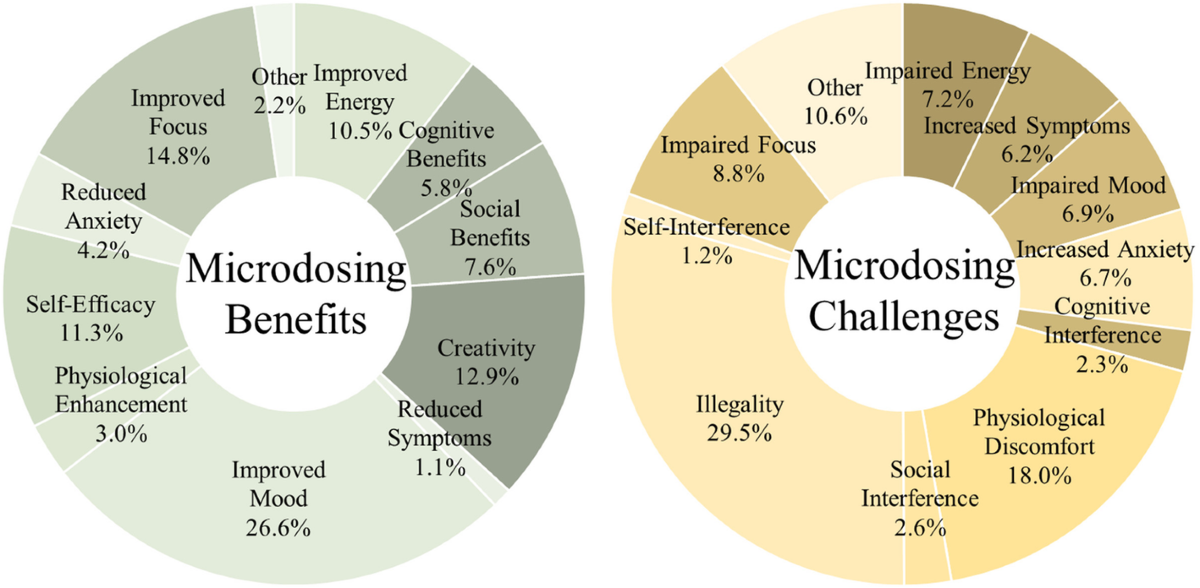
While the buzz around micro-dosing initially centered on psychedelics, herbs offer a distinct and compelling alternative. The primary difference lies in the legal landscape. Psychedelics remain largely restricted, while herbs are generally accessible, though regulations vary by location. This ease of access makes herbal micro-dosing a more viable option for many people interested in exploring the benefits of subtle enhancement.
The effects of herbal micro-dosing are also markedly different. Psychedelics, even in micro-doses, can produce noticeable shifts in perception and mood. Herbs, on the other hand, tend to be more gentle and nuanced. The benefits are often cumulative, building over time rather than manifesting as immediate, dramatic changes. This makes tracking effects and adjusting dosages a bit different – patience is key.
There’s also the matter of stigma. Psychedelics carry a significant societal weight, which can deter some people from exploring their potential benefits. Herbs, with their long history of traditional use, generally have a more positive and accepted image. This lower-risk entry point can be particularly appealing for those new to the concept of micro-dosing. It’s a way to experience the benefits of subtle enhancement without the potential anxieties associated with psychedelic substances.
DO NOT BURDEN THE BODY WHEN IT IS TRYING TO HEAL:🍃
— Sabelo ka Lindamkhonto vi (@SabzerAzoh) April 13, 2026
For a sick person, the focus should be on fresh fruits, as they are easy to digest and carry natural healing energy that supports the body’s recovery. Fresh fruit smoothies are especially beneficial, as they are gentle on the… pic.twitter.com/seWKK2dkoG
Key Herbs for Micro-Dosing
Several herbs lend themselves particularly well to micro-dosing, offering a range of potential benefits. Ashwagandha (Withania somnifera) is a powerful adaptogen traditionally used in Ayurveda to reduce stress and improve resilience. At micro-doses, some users report enhanced focus and a calmer sense of well-being. It interacts with the hypothalamic-pituitary-adrenal (HPA) axis, helping to regulate the body’s stress response; however, it’s not recommended for those with autoimmune conditions.
Next is Chamomile (Matricaria chamomilla), a gentle herb known for its calming properties. Micro-dosing chamomile may promote relaxation and improve sleep quality. It contains compounds like apigenin, which binds to GABA receptors in the brain, producing a soothing effect. Lavender (Lavandula angustifolia) shares similar properties, often used to reduce anxiety and improve mood. Its aroma alone is known to have calming effects, and micro-doses can amplify this.
Holy Basil (Ocimum sanctum), also known as Tulsi, is another adaptogen with a long history of use in Ayurvedic medicine. It’s believed to support cognitive function and boost immunity. Rhodiola rosea is a potent adaptogen traditionally used to combat fatigue and improve mental performance. Micro-dosing may enhance energy levels and improve resilience to stress. Caution is advised for those with bipolar disorder.
Finally, Lion's Mane (Hericium erinaceus) is a medicinal mushroom gaining popularity for its cognitive-enhancing properties. It’s thought to stimulate nerve growth factor (NGF) production, which is important for brain health. Micro-dosing Lion's Mane may improve focus, memory, and clarity. It's generally well-tolerated, but some may experience mild digestive upset. Remember, individual responses vary significantly, and what works for one person may not work for another.
Key Herbs for Micro-Dosing
| Herb Name | Primary Benefit | Typical Micro-Dose Range | Potential Side Effects | Interactions |
|---|---|---|---|---|
| Lion's Mane Mushroom | Cognitive Function & Nerve Support | 50mg - 300mg daily | Generally well-tolerated; possible mild digestive upset | May enhance effects of blood thinners. Consult with a healthcare professional if taking immunosuppressants. |
| Rhodiola Rosea | Stress Resilience & Mental Clarity | 50mg - 200mg daily | May cause dizziness or dry mouth in some individuals. | Potential interactions with antidepressants and MAOIs. Caution advised. |
| Bacopa Monnieri | Memory & Learning Enhancement | 50mg - 300mg daily | Possible digestive issues, nausea, or increased bowel movements. | May interact with thyroid medications and sedatives. |
| Ashwagandha | Stress Reduction & Adrenal Support | 100mg - 500mg daily | May cause drowsiness or stomach upset; avoid if pregnant. | Potential interactions with immunosuppressants, thyroid medications, and sedatives. |
| Reishi Mushroom | Immune Support & Relaxation | 100mg - 600mg daily | Rarely causes side effects; possible digestive discomfort. | May interact with blood thinners and immunosuppressants. |
| Holy Basil (Tulsi) | Adaptogen & Mood Support | 300mg - 600mg daily | Generally safe; high doses may cause nausea. | May lower blood sugar levels; caution if taking diabetes medication. |
| Chamomile | Relaxation & Sleep Support | 200mg - 400mg daily (as a tea or extract) | Rarely causes side effects; possible allergic reaction in those sensitive to ragweed. | May enhance the effects of sedatives. |
Illustrative comparison based on the article research brief. Verify current pricing, limits, and product details in the official docs before relying on it.
Formulating Your Micro-Dose
Herbs can be delivered in a variety of forms for micro-dosing, each with its own advantages. Tinctures – alcohol or glycerin-based extracts – allow for precise dosing and rapid absorption. Teas are a gentle and accessible option, perfect for herbs like chamomile and lavender. Capsules offer convenience and consistency, while infused oils can be used topically or added to food.
Calculating a micro-dose requires starting small and carefully titrating up. A good starting point for tinctures is 5-10 drops, once or twice daily. For teas, begin with a very weak infusion – a teaspoon of dried herb per cup of water. With capsules, start with 50-100mg. The key is to pay close attention to how your body responds. Increase the dose gradually, only if needed, and never exceed the recommended dosage.
Quality sourcing is paramount. Opt for organic herbs whenever possible, from reputable suppliers. Look for herbs that have been properly identified and stored. Consider the possibility of combining herbs for synergistic effects – for example, ashwagandha and rhodiola can work well together to combat stress and improve energy. Always begin with a very low dose and observe carefully.
What the Science Says (So Far)
Research into the effects of low-dose herbal medicine is still emerging, but some studies offer promising insights. The PMC study on microdosing psychedelics highlights the importance of placebo control and careful self-observation, principles that apply equally to herbal micro-dosing. While the study focuses on psychedelics, it underscores the need for rigorous research in this area.
Oregon State University’s archived blog on herbal medicine provides historical context, tracing the traditional uses of many of the herbs discussed. For example, research on ashwagandha (Singh et al., 2011) shows potential benefits for reducing cortisol levels and improving stress resilience, even at relatively low doses. Studies on Lion’s Mane (Nagahama et al., 2009) suggest it may stimulate NGF production, promoting brain health.
It’s important to acknowledge the limitations of current research. Many studies are small or lack robust controls. However, the growing body of evidence suggests that micro-dosing with herbs may offer subtle yet significant benefits for well-being. The Oregon State blog and other sources indicate that many traditional uses of these herbs are now being validated by modern science.
Listening to Your Body: Tracking Effects
Micro-dosing is a highly personalized process, and self-observation is crucial. Keeping a journal is an excellent way to track your experiences and identify any patterns. Pay attention to subtle changes in your mood, energy levels, sleep quality, focus, and digestion. Be as specific as possible in your observations. Instead of simply writing "I feel better,’ note things like ‘I slept 30 minutes longer and woke up feeling more rested."
Consistency is key. Track your effects daily, even on days when you don’t notice any significant changes. This will help you establish a baseline and identify any subtle shifts over time. Be patient and allow several weeks to pass before making any significant adjustments to your dosage. Remember the placebo effect can be powerful, so try to remain objective in your observations.
Consider using a standardized checklist to guide your self-assessment. Include questions about your mood, energy levels, cognitive function, and physical well-being. This will help you stay focused and ensure you’re tracking all the relevant factors. Ultimately, the goal is to find a dosage that supports your individual needs and enhances your overall well-being.
- Mood (scale of 1-10)
- Energy levels (scale of 1-10)
- Sleep quality (hours slept, restfulness)
- Focus and concentration (ability to stay on task)
- Digestion (any changes in appetite or bowel movements)
Safety and Considerations
While herbal micro-dosing is generally considered safe, it’s important to be aware of potential interactions with medications. Some herbs can interact with prescription drugs, altering their effectiveness or increasing the risk of side effects. For example, ashwagandha may interact with immunosuppressants, while Rhodiola can affect blood pressure medications.
Always consult with a healthcare professional before starting any new herbal regimen, especially if you have pre-existing conditions. They can help you determine if herbal micro-dosing is right for you and advise you on potential risks and benefits. Be mindful of potential side effects, even mild ones, and discontinue use if you experience any adverse reactions.
Sourcing herbs from reputable suppliers is crucial to ensure quality and purity. Avoid herbs that have been contaminated with pesticides or heavy metals. Remember, herbal medicine is not a substitute for conventional medical care. If you are experiencing a serious health condition, seek professional medical attention promptly. Responsible use and informed decision-making are key to maximizing the benefits of herbal micro-dosing.
No comments yet. Be the first to share your thoughts!