

Immune resilience
There's a shift happening, isn't there? We’re all thinking more about preventative health, about building resilience, and about what we can do to support our bodies before something goes wrong. Recent years have certainly underscored the importance of a robust immune system, and with that has come a renewed curiosity about time-honored traditions like herbalism. It feels like people are realizing that sometimes the oldest ways are the most effective.
It’s important to be clear though: we aren't trying to 'boost' our immune systems into overdrive. That’s not really how it works, and can even be detrimental. The goal is to support its natural functions, to help it respond appropriately to challenges. As we move into 2026, concerns around new variants, environmental stressors, and chronic inflammation are all driving this interest in natural approaches.
What I’ve been noticing is a turn towards ingredients that address multiple facets of wellness. People are looking beyond single-herb solutions and seeking out blends that offer broader support. The Florida Southern College report from 2026 highlights this trend, pointing to the growing popularity of formulas combining apple cider vinegar with polyphenol-rich herbs and functional mushrooms. It’s a sophisticated approach, and one that I think reflects a deeper understanding of how the body works.
Tincture basics
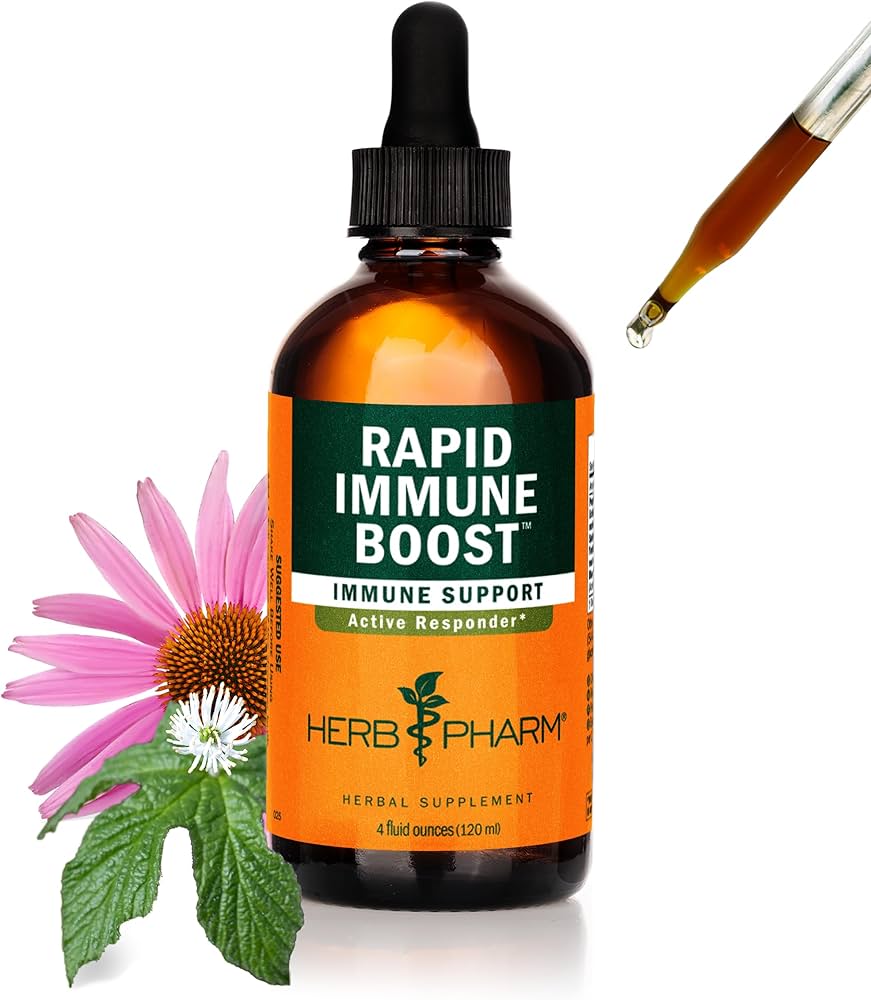
So, what exactly is a tincture? Simply put, it’s an alcohol-based extract of herbs. You’re essentially drawing out the medicinal properties of the plant material using alcohol as a solvent. Alcohol is remarkably effective at this, pulling out a wide range of constituents – both water-soluble and fat-soluble compounds – that wouldn’t be accessible with water alone. It also acts as a natural preservative, giving tinctures a long shelf life.
You don’t have to stick with vodka, though. Brandy is a classic choice, lending a slightly different flavor profile. For those who prefer to avoid alcohol altogether, glycerin can be used as an alternative, although it’s not quite as efficient at extracting certain compounds. The alcohol percentage is important, generally aiming for 40-60% ABV for optimal extraction and preservation. Using a higher proof alcohol will extract more of the plant's constituents.
Start with a low dose if you're new to this. Check for interactions with your current medications, especially if you are pregnant or breastfeeding. I usually buy my dried herbs from Mountain Rose Herbs or Starwest Botanicals because their quality is consistent.
Elderberry for viruses
Elderberry (Sambucus nigra) has a long history of use for fighting off colds and flu. My grandmother swore by it, and for good reason. Modern science is finally catching up, revealing that elderberry contains powerful compounds – particularly anthocyanins – that can help modulate the immune response. These anthocyanins aren’t just antioxidants; they appear to interfere with the virus’s ability to enter cells.
Making an elderberry tincture is surprisingly straightforward. You’ll need dried elderberries (about 1 ounce per cup of alcohol), a high-proof alcohol like vodka (80 proof or higher), and a glass jar. Combine the berries and alcohol in the jar, making sure the berries are fully submerged. Seal tightly and macerate for at least 4 weeks, shaking the jar gently every few days. After 4 weeks, strain the mixture through cheesecloth, discarding the berries. Bottle the tincture in a dark glass bottle.
Dosage is typically 1-2 teaspoons, 3-4 times per day at the first sign of illness. Some people may experience mild digestive upset, but this is usually temporary. It’s important to use only the berries of the elderberry plant; the leaves, stems, and roots contain compounds that can be toxic.
- 1 ounce dried elderberries
- 1 cup high-proof vodka
- Glass jar
- Cheesecloth
- Dark glass bottle
Echinacea: The Immune Stimulant
Echinacea (Echinacea purpurea, E. angustifolia, E. pallida) is often the first herb people think of when it comes to immune support, and with good reason. It works by stimulating phagocytosis – the process by which immune cells engulf and destroy pathogens – and by increasing the production of immune cells. Different parts of the plant have slightly different properties; the root is generally considered more immune-stimulating, while the flower and leaf are milder.
For a tincture, I prefer using the root, as it packs the biggest punch. Follow the same process as with elderberry: 1 ounce of dried echinacea root per cup of alcohol, macerate for 4-6 weeks, strain, and bottle. Dosage is similar – 1-2 teaspoons, 3-4 times per day. There’s been debate about long-term continuous use of echinacea; I suggest using it preventatively during cold and flu season, or at the very first sign of illness, rather than taking it indefinitely.
You'll find varying opinions on which Echinacea species is best. Echinacea purpurea is widely available, but Echinacea angustifolia is often preferred by practitioners for its stronger immune-stimulating effects.
Ginger and turmeric
Ginger (Zingiber officinale) and turmeric (Curcuma longa) are a dynamic duo. Both are renowned for their anti-inflammatory properties, and since inflammation plays a role in so many health issues, supporting the body’s natural anti-inflammatory mechanisms is crucial for immune function. Ginger is also warming, which can be particularly helpful during the colder months.
The challenge with turmeric is bioavailability – the active compound, curcumin, isn’t easily absorbed by the body. That’s why it’s often paired with black pepper, which contains piperine, a compound that significantly enhances curcumin absorption. For the tincture, use about 1 ounce of dried ginger and 1 ounce of dried turmeric root per cup of alcohol, plus a teaspoon of black peppercorns. Macerate for 4-6 weeks.
Dosage for each tincture is typically 1-2 teaspoons, 2-3 times per day. You can take them separately or combine them for a synergistic effect. The warming nature of ginger makes it particularly nice in a tincture before bed.
Astragalus: Long-Term Resilience
Astragalus (Astragalus membranaceus) is a bit different from the other herbs we’ve discussed. It’s not so much about providing an immediate boost as it is about building long-term immune resilience. It’s considered an adaptogen, meaning it helps the body adapt to stress and maintain balance. It’s been a staple in Traditional Chinese Medicine for centuries.
To make an astragalus tincture, use about 1 ounce of dried astragalus root per cup of alcohol, macerating for 6-8 weeks. This herb benefits from a longer extraction time. Dosage is typically 1-2 teaspoons, 2-3 times per day. However, a crucial point: astragalus is best used preventatively. It’s not ideal to take during an acute infection, as it may actually prolong the illness.
Here’s a helpful guideline for understanding astragalus's role: | Use Case | Timing | Benefit | |---|---|---| |Preventative Health|Long-term|Enhanced immune resilience| |Acute Infection|Avoid|May prolong illness|
Immune Support Tincture Comparison - 2026
| Tincture | Best Use Case | Potential Side Effects | Sourcing Difficulty | Flavor Profile |
|---|---|---|---|---|
| Echinacea | Acute Immune Challenge | May cause allergic reactions in those sensitive to the Asteraceae family (ragweed, marigolds, daisies). | Generally Easy | Pungent, slightly bitter |
| Elderberry | Acute & Preventative | Unripe berries are toxic; properly prepared tinctures are generally well-tolerated. May cause mild digestive upset. | Moderately Easy | Tart, fruity |
| Ginger | Acute & Preventative | May interact with blood thinners. High doses can cause heartburn or stomach upset. | Easy | Spicy, warming |
| Astragalus | Preventative, Long-Term Support | May interact with immunosuppressant medications. Not recommended during acute infections. | Moderately Difficult | Earthy, slightly sweet |
| Reishi Mushroom | Preventative, Immune Modulation | Generally well-tolerated, but some individuals may experience digestive discomfort or skin rash. | Moderately Difficult | Bitter, woody |
| Andrographis | Acute Immune Response | Can cause loss of appetite, diarrhea, and fatigue. Not recommended for pregnant individuals. | Difficult | Extremely Bitter |
| Licorice Root | Preventative, Adrenal Support | Can raise blood pressure. Avoid with hypertension, heart conditions, or kidney problems. Long-term use not recommended. | Easy | Sweet, slightly anise-like |
Illustrative comparison based on the article research brief. Verify current pricing, limits, and product details in the official docs before relying on it.
Reishi & Shiitake: Mushroom Allies
Reishi (Ganoderma lucidum) and shiitake (Lentinula edodes) mushrooms are gaining recognition for their immune-modulating properties. They contain beta-glucans, complex carbohydrates that support the activity of natural killer cells, a key component of the immune system. Unlike some herbs that directly stimulate the immune system, mushrooms help regulate it, bringing it into balance.
Extracting those beneficial beta-glucans requires a bit more effort. Hot water extraction is key – you’ll want to simmer the dried mushrooms in water for at least an hour before adding them to the alcohol. Use about 1 ounce of dried mushrooms per cup of alcohol. Macerate for 6-8 weeks, as these mushrooms are dense and require a longer extraction time. Be prepared for an earthy flavor.
Take 1-2 teaspoons, two or three times a day. These are potent, so start small. You can also find pre-made blends that mix these mushrooms with CBD if you don't want to simmer them yourself.
No comments yet. Be the first to share your thoughts!