

The evolving nature of stress
It feels safe to say that stress isn’t exactly new to the human experience. But the nature of that stress, and our collective capacity to cope with it, are definitely shifting. Looking ahead to 2026, a lot of factors suggest we’ll be facing even greater pressures than we do now. Economic uncertainties, political divisions that seem to deepen daily, and a culture that demands constant connection – it all adds up. These aren't distant threats, they're building now.
We're already seeing increased rates of anxiety and burnout, and I suspect these trends will continue. Many people are searching for ways to navigate this, turning to both conventional and alternative approaches. That’s where herbal medicine comes in. Specifically, there's been a surge of interest in adaptogens, alongside the more established realm of traditional herbs used for stress relief.
My goal here isn't to promote a quick fix or to add to the noise. It’s about looking critically at what works, what has a history of working, and what’s simply marketing hype. We need to be discerning, especially when it comes to our health. There's a lot of talk about 'wellness' these days, but genuine, lasting stress relief requires a more nuanced approach than just buying the latest trendy supplement.

What are adaptogens?
The term 'adaptogen' was first coined by Russian scientist Nikolai Lazarev in the 1940s, and further developed by Hans Selye, who studied the body’s response to stress. The core idea is that adaptogens are substances that help the body resist stressors of all kinds – physical, chemical, or biological. They’re not about stimulating or suppressing specific functions, but about helping the body adapt and maintain balance.
What sets adaptogens apart isn’t just that they address stress, but how they do it. They’re supposed to be non-specific – meaning they work across a wide range of stressors – and they’re meant to normalize body functions, rather than simply masking symptoms. Think of it as supporting your body’s natural resilience, rather than just treating the effects of stress. The va.gov resource explains this well, highlighting the idea of helping the body 'adapt' and maintain equilibrium.
It’s important to acknowledge that the scientific basis for the term "adaptogen’ is still evolving. It"s a relatively new concept in Western herbalism, and rigorous clinical trials are often lacking. While there's a lot of anecdotal evidence and promising preliminary research, we need more robust studies to fully understand how these herbs work and their long-term effects. The EMA (European Medicines Agency) has even worked to define the adaptogenic concept scientifically, showing the need for clearer understanding.
Traditional Herbs for Stress: Centuries of Use
Before the term 'adaptogen' became popular, people around the world relied on traditional herbs to cope with stress and anxiety. These aren’t new discoveries; they're time-tested remedies passed down through generations. Chamomile, for example, has been used for centuries to promote relaxation and sleep. Lavender is well known for its calming scent and its ability to reduce anxiety.
Lemon balm, a member of the mint family, has a long history of use in traditional medicine for relieving stress and improving mood. Passionflower is another gentle herb often used to ease anxiety and insomnia, and it's often combined with other calming herbs. Valerian root is perhaps one of the most well-known herbal remedies for sleep, but it also has anxiolytic properties – meaning it can reduce anxiety.
Research on traditional herbs varies. Chamomile has been studied extensively for mild anxiety, while passionflower has less robust research but a strong historical track record. It's crucial to be aware of potential interactions with medications; for example, valerian root can enhance sedative effects and should not be combined without medical supervision. 'Traditional' does not automatically mean 'safe for everyone'.
- Chamomile: Promotes relaxation and sleep, with some research supporting its use for mild anxiety.
- Lavender: Known for its calming scent and ability to reduce anxiety.
- Lemon Balm: Traditionally used to relieve stress and improve mood.
- Passionflower: Often used to ease anxiety and insomnia, with a strong historical track record.
- Valerian Root: Promotes sleep and reduces anxiety, but can interact with sedatives.
Adaptogen Spotlight: Ashwagandha and Rhodiola
Among the many adaptogens available, Ashwagandha and Rhodiola are two of the most popular and well-researched. Ashwagandha (Withania somnifera) is a cornerstone of Ayurvedic medicine, traditionally used to promote vitality, reduce stress, and improve sleep. Recent studies suggest it can help regulate cortisol levels – the hormone released in response to stress – and may have benefits for those with anxiety. A typical dosage ranges from 300-500mg of a standardized extract daily, but always consult a healthcare professional.
Rhodiola (Rhodiola rosea) is another powerful adaptogen, traditionally used in Russia and Scandinavia to combat fatigue and improve mental performance under stress. It’s thought to work by increasing the availability of serotonin and dopamine in the brain. Some research indicates that Rhodiola can enhance cognitive function, reduce mental fatigue, and improve mood, particularly during stressful periods. Dosage recommendations typically fall between 200-600mg of a standardized extract daily.
While Ashwagandha and Rhodiola show promise, potential side effects exist. Ashwagandha may cause drowsiness or stomach upset, while Rhodiola can sometimes cause insomnia or irritability. The long-term effects of consistent adaptogen use require more research. These herbs may not be suitable for everyone, especially those with certain medical conditions or taking medications.
Ashwagandha vs. Rhodiola: A Comparative Look for Stress Management (2026)
| Characteristic | Ashwagandha | Rhodiola | Considerations |
|---|---|---|---|
| Primary Benefit | Calming, reducing anxiety | Improving resilience to stress, mental clarity | Choose based on whether calming or energizing is your priority. |
| Energy Level Impact | May induce mild drowsiness, calming | Generally energizing, can improve focus | Rhodiola is better for those needing a boost *during* stressful periods. |
| Sleep Impact | Can promote deeper sleep | Less direct impact on sleep, may be better for daytime use | Ashwagandha is often favored for evening use to support rest. |
| Potential Side Effects | Digestive upset possible, may interact with certain medications | Generally well-tolerated, but may cause irritability in some | Consult a healthcare professional before use, especially with existing conditions. |
| Ease of Sourcing | Widely available in various forms | Readily available, but quality can vary | Look for reputable brands with third-party testing. |
| Traditional Use | Ayurvedic medicine for centuries | Traditional use in Siberian and Scandinavian cultures | Both have long histories of use, reflecting different cultural approaches. |
| Best Suited For | Chronic stress, anxiety, insomnia | Acute stress, mental fatigue, improving cognitive function | Consider the *type* of stress you're experiencing when choosing. |
Qualitative comparison based on the article research brief. Confirm current product details in the official docs before making implementation choices.
The Research: What Does the Science Say?
Evaluating the scientific evidence for both adaptogens and traditional herbs is tricky. Many studies are small, poorly designed, or lack adequate controls. A common issue is the variability in herbal products themselves – the concentration of active compounds can vary widely depending on the source and processing methods. This makes it difficult to draw firm conclusions.
Human studies are particularly valuable, but they are often limited. A lot of the research on adaptogens has been conducted in animals or in vitro (in test tubes), which doesn’t necessarily translate to the same effects in humans. When looking at human trials, it’s important to consider the sample size, the quality of the study design, and whether the results have been replicated by other researchers.
Generally, the evidence for traditional herbs like chamomile and lavender is stronger than for many adaptogens, simply because they’ve been studied for longer and more rigorously. However, even with these herbs, the research isn’t always conclusive. It’s essential to approach claims about herbal remedies with a healthy dose of skepticism and to rely on credible sources of information. We need to be honest about what we don't know.
Personalizing Your Approach: Finding What Works
There's no one-size-fits-all solution when it comes to managing stress with herbs. What works for one person may not work for another. Factors like your constitution, lifestyle, and the specific stressors you're facing all play a role. It's important to experiment – responsibly and under the guidance of a qualified healthcare professional – to find what suits you best.
I’ve personally found that chamomile tea is incredibly helpful for winding down before bed, while Rhodiola seems to give me a bit of a boost when I'm feeling mentally fatigued. But that’s just my experience, and it may not be the same for you. Pay attention to how your body responds to different herbs, and adjust accordingly. Keep a journal to track your experiences – it can be a valuable tool.
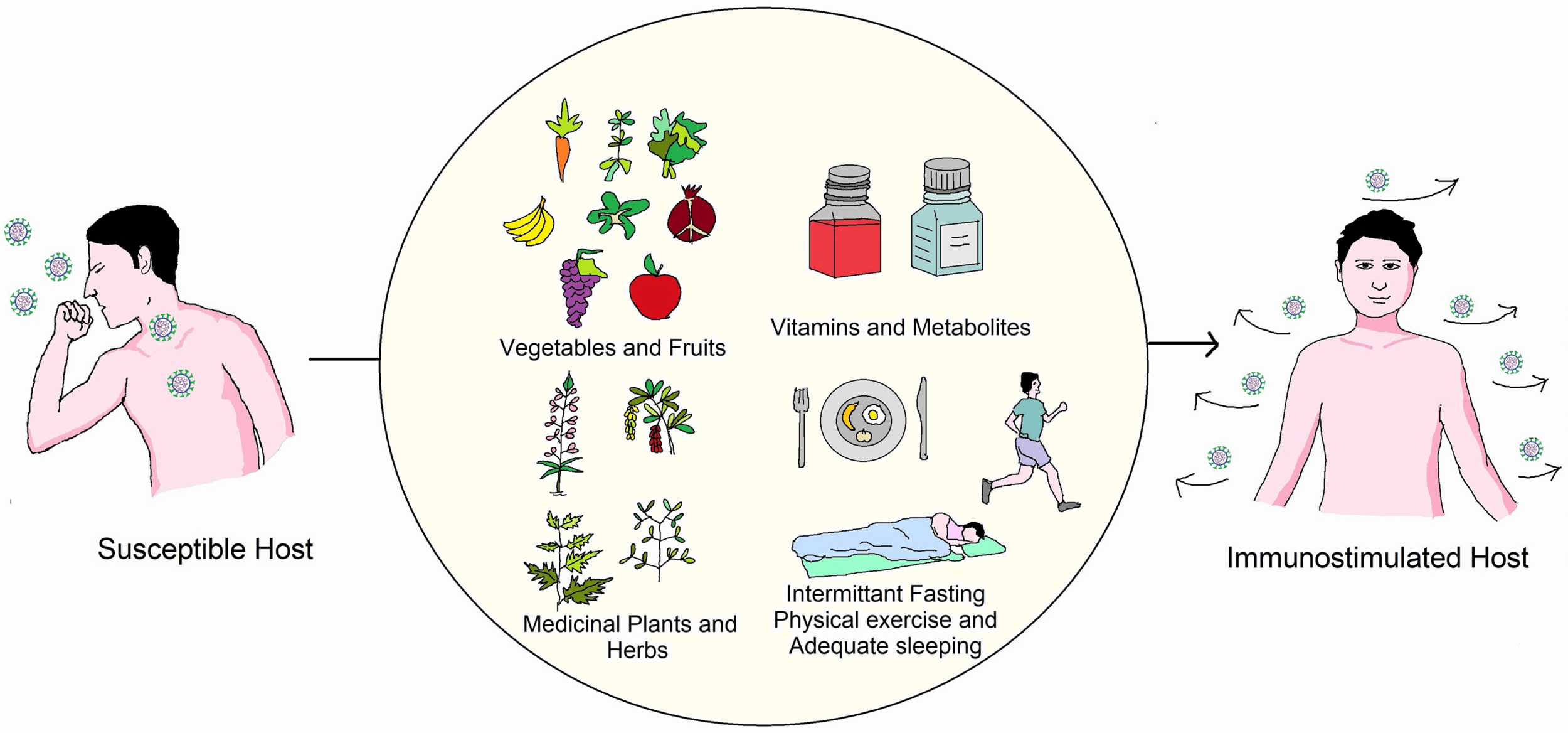
Remember that herbs are just one piece of the puzzle. They’re most effective when combined with other healthy habits, such as regular exercise, a balanced diet, and sufficient sleep. Listening to your body and prioritizing self-care are just as important as any herbal remedy. Don’t rely on herbs to fix everything – they’re a support, not a substitute for a healthy lifestyle.
- Consider your individual constitution and lifestyle.
- Identify your specific stressors.
- Experiment with different herbs (under professional guidance).
- Keep a journal to track your responses.
- Combine herbs with healthy lifestyle habits.
Top Adaptogen & Herb Products for 2026
Finding high-quality herbal products can be challenging. The following recommendations are based on reputation, sourcing, and third-party testing. Brands were chosen for their transparency and ethical practices.
Oregon's Wild Harvest Ashwagandha: This brand is known for its commitment to organic and sustainable farming practices. Their Ashwagandha capsules are standardized to contain a high percentage of withanolides, the active compounds in Ashwagandha. ($25 for 60 capsules)
Gaia Herbs Rhodiola Rosea: Gaia Herbs is a reputable company with a long history of producing high-quality herbal extracts. Their Rhodiola Rosea capsules are certified organic and are tested for purity and potency. ($30 for 60 capsules)
Traditional Medicinals Chamomile Tea: A classic for a reason. Traditional Medicinals uses high-quality chamomile flowers and is committed to sustainable sourcing. ($5 for 16 tea bags)
Pukka Herbs Night Time Tea: A blend of chamomile, lavender, and limeflower designed to promote relaxation and sleep. Pukka Herbs is an ethical and organic brand. ($7 for 20 tea bags)
Anima Mundi Adaptogen Elixir - Stress & Anxiety: This elixir blends several adaptogens with other botanical ingredients, providing a broad spectrum of support. ($65 for 2oz)
Sun Potion Ashwagandha Root Powder: For those who prefer to make their own herbal preparations, Sun Potion offers high-quality Ashwagandha root powder. ($55 for 4oz)
Featured Products

Supports balanced energy levels and a positive outlook. · Aids in stress relief and sleep support. · USDA Organic, Vegan Liquid Phyto-Caps.
This supplement is recommended for its ability to support balanced energy and a positive outlook, contributing to overall stress management.

Supports energy and cognitive performance. · Contains Rhodiola, an adaptogenic herb. · Non-GMO Project Verified, Vegan, Gluten Free.
Nature's Way Rhodiola is recommended for its potential to enhance energy and cognitive function, leveraging the adaptogenic properties of Rhodiola.

Contains 500mg of Holy Basil per capsule. · Supports a healthy response to stress. · 90 count bottle.
NOW Foods Holy Basil is included for its traditional use in supporting a healthy stress response.

A blend of 10 different mushrooms, including Reishi, Maitake, Shiitake, and Lion's Mane. · Supports overall well-being. · Non-GMO and Gluten Free.
This mushroom complex is recommended for its comprehensive blend of fungi known for their potential health benefits and adaptogenic qualities.

Promotes relaxation and stress ease. · Contains Ashwagandha and Honeybush adaptogens. · USDA Organic, Non-GMO, Caffeine-Free, Compostable tea bags.
Traditional Medicinals Organic Stress Ease tea is recommended for its calming properties, featuring adaptogens like Ashwagandha and Honeybush.
As an Amazon Associate I earn from qualifying purchases. Prices may vary.
Beyond Herbs: Holistic Stress Management
It's easy to fall into the trap of thinking that herbs are a magic bullet for stress, but that’s simply not the case. They can be a valuable tool, but they’re most effective when used as part of a holistic approach to stress management. This means addressing all aspects of your well-being – physical, mental, and emotional.
Prioritizing sleep, eating a nutrient-rich diet, engaging in regular exercise, and practicing mindfulness or meditation are all crucial components of a stress-resilient lifestyle. Cultivating strong social connections and spending time in nature can also have a profound impact on your well-being. Herbs can support these efforts, but they can’t replace them.

No comments yet. Be the first to share your thoughts!