Your Backyard Pharmacy: Why Grow?
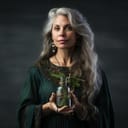
There’s a quiet power in growing your own medicine. It’s a return to a time when people weren’t reliant on pharmacies, but on the land and their own knowledge. I started my own medicinal herb garden out of frustration, honestly. The cost of high-quality herbs was adding up, and I wanted to be absolutely certain about what I was putting into my body—no hidden pesticides or questionable ingredients. That’s when I realized how disconnected I’d become from the source of my healing.
It's not just about economics, although the savings are significant. A single established perennial herb, like echinacea or lavender, can provide years of medicine for a fraction of the cost of buying dried or processed versions. More importantly, growing your own herbs gives you control. You know exactly what’s gone into cultivating them, and you can tailor your garden to your specific needs and preferences. I've found it incredibly empowering.
Beyond the practical benefits, there’s a deep satisfaction in harvesting your own remedies. The scent of freshly crushed lavender, the vibrant color of calendula petals, the simple act of tending to these plants – it’s a grounding experience. It connects you to the cycles of nature and to the long tradition of herbalism. It’s a connection many of us are missing in this fast-paced world.
For me, it's become a spiritual practice as much as a practical one. Knowing I can walk into my garden and create a soothing tea for a cold, a healing salve for a burn, or a calming tincture for stress is a profound gift. It’s an investment in your health, your well-being, and a more sustainable way of life. And it's a skill that can be passed down through generations.
Sun, Soil, and Space: Garden Basics
Before you start dreaming of a bountiful harvest, let’s talk about the fundamentals. Most medicinal herbs need at least six hours of direct sunlight per day. Full sun is ideal for herbs like chamomile, lavender, and rosemary. Some, like lemon balm and peppermint, can tolerate partial shade, especially in hotter climates. Pay attention to the specific needs of each plant.
Soil is equally important. Herbs generally prefer well-drained soil that is rich in organic matter. Colorado State University Extension notes that good drainage is essential to prevent root rot (CMG GardenNotes 731, 2019). I’ve amended my clay soil with compost and aged manure for years, and it’s made a world of difference. Avoid heavy clay soils or those that stay waterlogged after rain. A slightly acidic to neutral pH (around 6.0 to 7.0) is usually best.
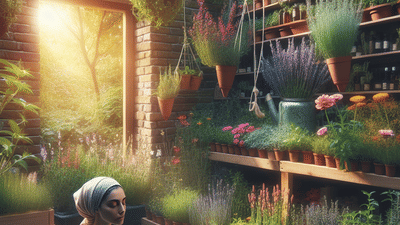
Space requirements vary widely. Some herbs, like mint, are vigorous growers and can quickly take over a garden. Others, like lavender, need plenty of room to spread. Consider the mature size of each plant when planning your garden. Container gardening is a fantastic option if you have limited space or poor soil. I started with containers on my balcony before I had access to a yard.
When growing in containers, choose pots with drainage holes. Use a high-quality potting mix that is specifically formulated for herbs. The same principles apply to container soil: adequate drainage and organic matter are key. Water consistently, especially during hot, dry weather. I've found that checking the soil moisture with my finger is the most reliable method – if the top inch is dry, it’s time to water.
- Soil Amendment: Compost, aged manure, or other organic matter.
- Drainage: Ensure the soil drains well to prevent root rot.
- Sunlight: Most herbs need at least six hours of direct sunlight.
- Spacing: Consider the mature size of each plant.
Top Herbs for Beginners (and Beyond)
If you’re just starting out, I recommend focusing on herbs that are easy to grow and have a wide range of uses. Chamomile ( Matricaria recutita) is a gentle and calming herb that’s fantastic for teas. It prefers full sun and well-drained soil. Lavender (Lavandula angustifolia) is another easy-to-grow herb with a delightful fragrance. It thrives in full sun and well-drained soil and is excellent for relaxation and sleep.
Peppermint (Mentha × piperita) is a vigorous grower that’s great for digestive issues. Be warned: it spreads easily, so it’s best grown in a container. Calendula (Calendula officinalis) is a bright and cheerful herb with potent healing properties. It’s easy to grow from seed and prefers full sun. Echinacea (Echinacea purpurea) is a powerful immune booster that’s native to North America. It prefers full sun and well-drained soil.
Lemon balm (Melissa officinalis) is a calming herb that’s great for anxiety and stress. It prefers partial shade and moist soil. St. John’s Wort (Hypericum perforatum) is a well-known herb for treating mild to moderate depression. It prefers full sun and well-drained soil. However, be cautious with St. John’s Wort as it can interact with many medications, so research thoroughly before using it.
It’s crucial to be aware of potential interactions. According to Local Witch Doctor, understanding herbal actions and contraindications is critical for safe and effective use. Always research any herb before using it, especially if you're taking medication or have underlying health conditions. I recommend consulting with a qualified herbalist or healthcare professional if you have any concerns.
Harvesting and Drying: Preserving the Power
Timing is everything when it comes to harvesting herbs. The best time to harvest most herbs is in the morning, after the dew has dried but before the sun gets too hot. This is when their essential oil content is at its peak. For leafy herbs like peppermint and lemon balm, harvest before they flower. For flowers like chamomile and calendula, harvest when they are fully open.
There are several methods for drying herbs. Air drying is the simplest method: tie the herbs in small bundles and hang them upside down in a cool, dark, well-ventilated place. Dehydrating is a faster method: use a food dehydrator set to a low temperature. I prefer air drying for flowers and leaves, but a dehydrator is useful for roots and barks. Proper drying is essential to prevent mold and preserve the herbs' medicinal properties.
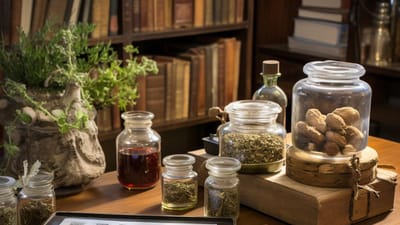
Once the herbs are completely dry, store them in airtight containers in a cool, dark, dry place. Glass jars are ideal. Label each container with the herb name and the date it was harvested. Dried herbs will retain their potency for up to a year, but their flavor and aroma will diminish over time. I also like to save seeds from my best plants for the following season.
I've learned the hard way that rushing the drying process can lead to moldy herbs. It’s better to take your time and ensure they are completely dry before storing them. A good test is to crumble a leaf – if it snaps easily, it’s dry enough. If it’s still pliable, it needs more drying time.
- Harvest Time: Morning, after dew dries.
- Drying Methods: Air drying, dehydrating.
- Storage: Airtight containers, cool, dark, dry place.
- Seed Saving: Preserve seeds for future planting.
From Garden to Remedy: Simple Preparations
Now for the truly rewarding part: turning your harvest into medicine. Herbal teas are the simplest preparation. Simply steep 1-2 teaspoons of dried herb in a cup of hot water for 5-10 minutes. Infused oils are made by infusing herbs in a carrier oil, like olive oil or almond oil. This is a great way to extract the medicinal properties of herbs for topical use.
Simple tinctures involve soaking herbs in alcohol (typically vodka or brandy) for several weeks. This extracts the medicinal compounds and creates a concentrated liquid remedy. I often use a 1:5 herb-to-alcohol ratio. Always label your preparations clearly with the herb name, date, and alcohol percentage. Proper labeling is crucial for safety.
Here’s a simple recipe for chamomile tea: 1-2 teaspoons of dried chamomile flowers, 1 cup of hot water, steep for 5-10 minutes. For a lavender-infused oil: 1/2 cup dried lavender flowers, 1 cup carrier oil, combine in a jar, shake well, and let sit in a cool, dark place for 2-4 weeks, shaking occasionally. Strain and store in a dark glass bottle.
It’s important to remember that herbal remedies are not a substitute for conventional medical care. If you have a serious health condition, consult with a healthcare professional. I always recommend starting with small doses and paying attention to how your body responds. And always research potential interactions with any medications you are taking.
- Herbal Teas: Steep dried herbs in hot water.
- Infused Oils: Infuse herbs in a carrier oil.
- Simple Tinctures: Soak herbs in alcohol.
Choosing the Right Preparation Method for Common Medicinal Herbs
| Herb Type | Desired Effect | Preparation Method | Pros | Cons |
|---|---|---|---|---|
| Leafy (Chamomile) | Calming | Tea | Gentle extraction of volatile oils, readily available. | Can be weaker than other methods; short shelf life. |
| Leafy (Peppermint) | Pain Relief (tension headaches) | Tincture | Concentrated dose, longer shelf life, easily portable. | Requires alcohol; may not be suitable for all individuals. |
| Root (Ginger) | Immune Support | Tea | Warming and soothing, supports digestion alongside immunity. | Can be pungent in flavor; requires longer simmering for full extraction. |
| Root (Echinacea) | Immune Support | Tincture | Highly concentrated, allows for precise dosing. | Alcohol content; potential interactions with medications. |
| Flower (Lavender) | Calming | Oil (Infused) | Good for topical applications, aromatic benefits. | Extraction can be slow; potency varies depending on infusion time and oil quality. |
| Flower (Calendula) | Pain Relief (skin irritation) | Oil (Infused) | Excellent for salves and balms, promotes wound healing. | Can be messy to prepare; shelf life depends on oil used. |
| Leafy (Chives) | Immune Support | Tea | Mild flavor, easily added to foods. | Nutrient content diminishes quickly after harvest. |
| Root (Cilantro/Coriander) | Digestive Support | Tea | Aromatic and flavorful, supports digestion. | Flavor can be polarizing; roots are best used fresh. |
Illustrative comparison based on the article research brief. Verify current pricing, limits, and product details in the official docs before relying on it.
Troubleshooting: Pests, Diseases, and Problems
Even with the best care, you may encounter pests and diseases in your medicinal herb garden. Aphids, spider mites, and Japanese beetles are common culprits. Companion planting can help deter pests – for example, planting marigolds near tomatoes can repel nematodes. Regularly inspect your plants for signs of infestation.
Organic solutions are your best bet. Insecticidal soap and neem oil are effective against many common pests. For fungal diseases, like powdery mildew, ensure good air circulation and avoid overhead watering. I’ve found that a baking soda solution (1 teaspoon baking soda to 1 quart of water) can help control powdery mildew.
Preventative measures are key. Healthy plants are more resistant to pests and diseases. Ensure proper watering, fertilization, and sunlight exposure. Rotate your crops each year to prevent the buildup of soilborne diseases. I also like to add compost tea to my garden to boost the soil’s microbial life.
Early detection is crucial. The sooner you identify a problem, the easier it will be to address. Don't ignore yellowing leaves, spots, or unusual growth patterns. A little vigilance can save your harvest. JBHomemade emphasizes shopping direct for natural savings, which can help offset the cost of organic pest control solutions.
Expanding Your Herbal Horizons
Once you’ve mastered the basics, the possibilities are endless. Consider growing herbs in raised beds for better drainage and soil control. Explore permaculture principles to create a self-sustaining garden ecosystem. Experiment with less common medicinal plants, like skullcap, valerian, or motherwort.
There are countless resources available for further learning. Books like “Rosemary Gladstar’s Medicinal Herbs: A Beginner’s Guide” are excellent starting points. Websites like Local Witch Doctor offer a wealth of information on herbal remedies and herbalism. Local workshops and classes can provide hands-on experience and guidance.
I highly recommend connecting with other herbalists in your community. Sharing knowledge and experiences is invaluable. Join a local herbalism guild or attend herbal conferences. The more you learn, the more you’ll appreciate the incredible power of plants.
Growing a medicinal herb garden is a journey, not a destination. It’s a process of continuous learning and discovery. Embrace the challenges, celebrate the successes, and enjoy the profound connection to nature that it offers. It will transform your relationship with healing and wellness.
- Resources: Books, websites, local workshops.
- Advanced Techniques: Raised beds, permaculture.
- Explore New Herbs: Skullcap, valerian, motherwort.
No comments yet. Be the first to share your thoughts!