

The gut-brain connection
The microbiome is finally getting the attention it deserves. We used to ignore the bacteria in our digestive tracts, but now we know these microbes influence mood, energy, and skin health. It is a shift in how we look at the body, moving away from treating symptoms toward managing an internal ecosystem.
Interest in gut health is surging, and with it, a renewed appreciation for the power of herbal remedies. People are seeking alternatives to synthetic medications and looking for ways to support their bodies naturally. They want to address the root causes of imbalance, not just mask the symptoms. Herbs offer a time-tested, holistic approach to digestive wellness, and I believe they’ll only become more important as we learn more.
The connection between the gut and the brain – often called the gut-brain axis – is particularly fascinating. Research continues to reveal how our gut bacteria influence neurotransmitter production and brain function. This means a healthy gut isn't just about digestion; it’s about mental clarity, emotional stability, and overall cognitive function. We're finally recognizing that a happy gut often equals a happy mind. This is why I find working with these plants so rewarding.
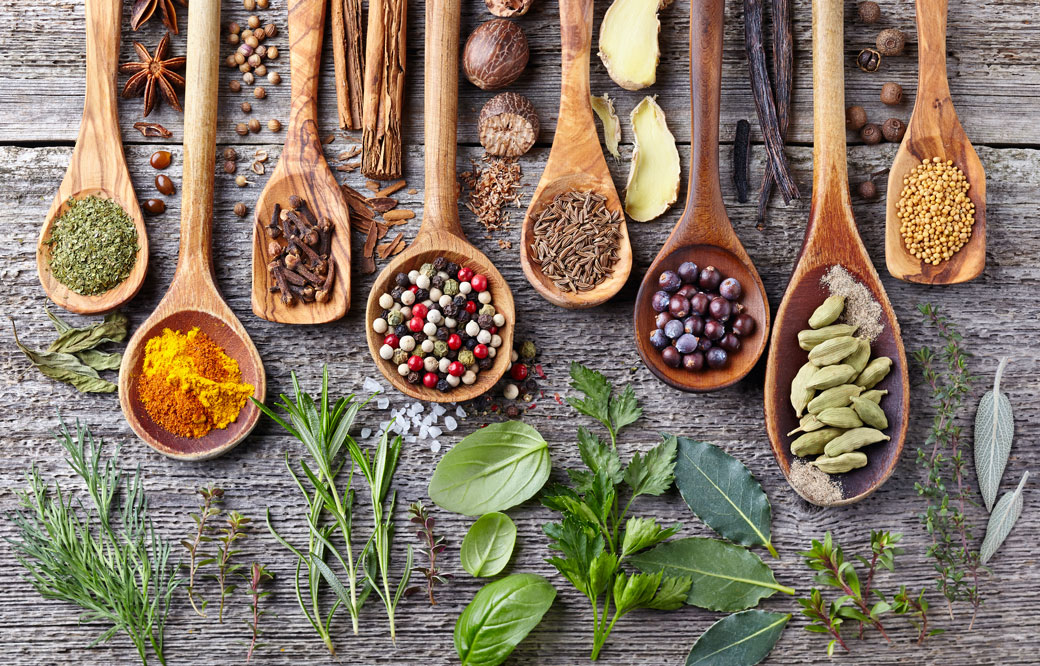
Herbs that act as prebiotics
When we talk about supporting the microbiome, we often focus on probiotics – live microorganisms that add to the population of beneficial bacteria in the gut. But herbs can play a role here in two key ways: by acting as prebiotics, providing food for those beneficial bacteria, and by containing compounds that actually support bacterial growth. It's a subtle difference, but a powerful one.
Chicory root is a fantastic example of a prebiotic herb. It’s rich in inulin, a type of fiber that selectively feeds Bifidobacteria and Lactobacilli – two of the most important groups of beneficial bacteria in the gut. Dandelion greens, often dismissed as weeds, are another excellent source of prebiotics and also contain compounds that stimulate digestive enzyme production. Jerusalem artichokes, while technically a root vegetable, are often used in herbal preparations for their high inulin content.
Herbal prebiotics are different because they feed the bacteria you already have. While supplements try to drop new strains into your system—which don't always stick—herbs act like fertilizer for your existing microbes. I've found that consistent use over months works better than a one-week blast of expensive capsules.
It's important to remember that these aren’t quick fixes. Building a healthy microbiome takes time and consistency. It requires a holistic approach that includes a nutrient-rich diet, stress management, and a lifestyle that supports overall well-being. Herbs are a powerful tool, but they're most effective when used as part of a broader strategy.
Prebiotic Herb Comparison for Gut Health Tinctures
| Taste Profile | Ease of Cultivation | Traditional Uses | Gut Benefits | Potential Side Effects |
|---|---|---|---|---|
| Chicory Root | Slightly bitter, earthy, coffee-like notes | Easy to grow, often considered a weed. Thrives in disturbed soil. | Historically used as a coffee substitute. Also used as a liver tonic and digestive aid. | Rich in inulin, a prebiotic fiber that selectively feeds beneficial gut bacteria, particularly *Bifidobacteria*. May improve bowel regularity and support short-chain fatty acid (SCFA) production. |
| Dandelion Greens | Bitter, slightly peppery | Very easy to grow, readily available in lawns and gardens. Prefers full sun. | Traditionally used as a diuretic, liver support, and digestive tonic. All parts of the plant have been used medicinally. | Contains inulin and other prebiotic fibers. Supports a diverse gut microbiome and may aid in detoxification processes. Also a source of vitamins and minerals. |
| Jerusalem Artichoke (Sunchoke) | Sweet, nutty, slightly earthy | Relatively easy to grow, but can be invasive. Requires full sun and well-drained soil. | Native American tribes used it for medicinal purposes, including digestive issues. Also used as a food source. | High in inulin, promoting the growth of beneficial bacteria such as *Lactobacilli* and *Bifidobacteria*. May improve gut motility and nutrient absorption. |
Illustrative comparison based on the article research brief. Verify current pricing, limits, and product details in the official docs before relying on it.
Calming gut inflammation
Many gut issues, like irritable bowel syndrome (IBS) and inflammatory bowel disease (IBD), are rooted in chronic inflammation. Inflammation disrupts the delicate balance of the microbiome, creating a vicious cycle of discomfort and imbalance. That's where anti-inflammatory herbs come in.
Chamomile contains apigenin, which helps reduce muscle spasms and heat in the digestive tract. Calendula is another option for healing the gut lining, while slippery elm creates a physical mucilage that coats the throat and stomach. I use these when the gut feels 'hot' or reactive.
Chronic inflammation not only damages the gut lining but also alters the composition of the microbiome, favoring the growth of harmful bacteria. By reducing inflammation, we create a more hospitable environment for beneficial bacteria to thrive. This is why addressing inflammation is so crucial for long-term gut health. I often recommend incorporating these herbs into a daily routine, even when symptoms are mild, as a preventative measure.
How to make a tincture
Tinctures are one of the most effective ways to harness the power of herbs for gut healing. They allow for concentrated doses of herbal compounds that are easily absorbed by the body. The process is surprisingly simple, but it does require attention to detail.
The first step is choosing your solvent – the liquid used to extract the medicinal properties from the herb. Traditionally, alcohol is used, with 40-60% alcohol (80-120 proof vodka or brandy) being a good starting point. Glycerin is a good alternative for those who prefer to avoid alcohol, especially when making tinctures for children or individuals with alcohol sensitivities. However, glycerin tinctures have a shorter shelf life and may not extract certain compounds as effectively.
The herb-to-solvent ratio is also important. A common ratio is 1:5 – meaning 1 part herb to 5 parts solvent by weight. Maceration time – the length of time the herb sits in the solvent – typically ranges from 4-6 weeks. During this time, shake the jar daily to ensure thorough extraction. Finally, strain the tincture through cheesecloth or a fine-mesh sieve to remove the plant material.
Safety is paramount. Always use clean equipment and store tinctures in dark glass bottles away from direct sunlight and heat. Label each tincture clearly with the herb name, alcohol/glycerin content, and date of preparation. I prefer using amber glass to preserve the herbal properties. Also, be mindful of potential allergies and contraindications before consuming any herbal tincture.
Five Standout Gut-Healing Tincture Recipes
Now, let's put theory into practice with five tincture recipes designed to support gut health. Remember, these are guidelines, and individual needs may vary. Always start with a low dose and increase gradually as needed.
Chamomile & Fennel Tincture: Combine 2 parts chamomile flowers with 1 part fennel seeds. Use 50% alcohol. Macerate for 4 weeks. Dosage: 15-30 drops 2-3 times daily. Benefits: Soothes inflammation, reduces bloating, eases digestive discomfort. This is a lovely blend for those with IBS or general indigestion.
Dandelion Root & Artichoke Tincture: Combine 2 parts dandelion root with 1 part artichoke leaf. Use 60% alcohol. Macerate for 6 weeks. Dosage: 10-20 drops 2-3 times daily. Benefits: Supports liver function, stimulates bile production, promotes healthy digestion. Excellent for those struggling with sluggish digestion or constipation.
Slippery Elm & Marshmallow Root Tincture: Combine 1 part slippery elm bark with 1 part marshmallow root. Use glycerin. Macerate for 4 weeks. Dosage: 1-2 teaspoons 2-3 times daily. Benefits: Coats and soothes the digestive tract, protects against irritation, promotes healing. Ideal for those with ulcers or acid reflux.
Calendula & Ginger Tincture: Combine 1 part calendula flowers with 1 part ginger root. Use 40% alcohol. Macerate for 4 weeks. Dosage: 15-30 drops 2-3 times daily. Benefits: Reduces inflammation, stimulates digestion, eases nausea. A great option for those experiencing gut inflammation and digestive upset.
Chicory Root & Burdock Root Tincture: Combine 2 parts chicory root with 1 part burdock root. Use 50% alcohol. Macerate for 6 weeks. Dosage: 10-20 drops 2-3 times daily. Benefits: Supports prebiotic growth, detoxifies the liver, promotes healthy digestion. Good for those seeking to rebuild their microbiome and improve liver health.
Beyond the Bottle: Integrating Herbs
While tinctures are powerful, there are many other ways to incorporate these gut-healing herbs into your daily routine. Teas are a gentle and accessible option. Chamomile, peppermint, and ginger all make delicious and soothing teas. You can also add dandelion greens and chicory root to salads or stir-fries. Calendula flowers can be used to garnish dishes or infused into oils for topical application (for related skin issues).
Synergistic effects occur when combining herbs with a healthy diet and lifestyle. Eating plenty of fiber-rich foods, staying hydrated, managing stress, and getting regular exercise all contribute to a healthy gut. Herbs work best when they’re part of a holistic approach. I encourage my clients to focus on building a sustainable routine that supports their overall well-being.
One of my favorite gut-friendly recipes is a simple fermented vegetable dish. I combine shredded cabbage, carrots, and ginger with a pinch of sea salt and let it ferment for a few days. The fermentation process creates probiotics and enhances the nutritional value of the vegetables. It’s a delicious and easy way to support your gut microbiome.
Gut-Supportive Herbal Allies
- Ginger (Zingiber officinale) - Known for its digestive support, ginger can help stimulate digestive enzymes and reduce inflammation in the gut. It’s particularly helpful for easing nausea and bloating.
- Chamomile (Matricaria chamomilla) - This gentle herb is renowned for its calming properties, extending to the digestive system. Chamomile can help soothe intestinal spasms and reduce gas, promoting a relaxed gut environment.
- Peppermint (Mentha × piperita) - Peppermint can help relax the muscles of the digestive tract, relieving symptoms of indigestion and IBS. It’s best used cautiously, as it can exacerbate acid reflux in some individuals.
- Fennel (Foeniculum vulgare) - Traditionally used to aid digestion, fennel seeds contain compounds that can help reduce bloating and gas. It has carminative properties, meaning it helps dispel gas from the digestive tract.
- Dandelion Root (Taraxacum officinale) - A mild bitter, dandelion root stimulates bile production, which is crucial for fat digestion and overall gut health. It also provides prebiotic fiber, feeding beneficial gut bacteria.
- Calendula (Calendula officinalis) - While often thought of for skin healing, Calendula also possesses anti-inflammatory properties that can soothe the digestive tract lining. It’s often used to support healing in cases of mild gastritis or ulcers.


No comments yet. Be the first to share your thoughts!