

The shift toward verified herbalism
People are moving back toward plant-based medicine, but the old ways of just trusting a label aren't cutting it. If you're buying a tincture, you need to know exactly what's in the bottle and if the potency matches the promise. Tradition is a great foundation, but we need data to back it up.
This is where the concept of "AI-verified’ herbal tinctures comes in. It"s not about dismissing the wisdom of centuries, but about bolstering it with modern scientific tools. Concerns about product quality – misidentification of plants, contamination, inaccurate potency – have always existed. But now, sophisticated lab testing and emerging technologies like artificial intelligence are offering ways to address these concerns head-on.
The demand for verified herbal supplements is driven by a few key things. First, consumers are becoming more proactive about their health. Second, there’s a growing distrust of conventional medicine and a desire for natural alternatives. And finally, the increasing availability of information—through sites like Local Witch Doctor, of course—is empowering people to ask more questions and demand better quality. This isn’t simply a trend; it's a fundamental shift in how we approach wellness.
The idea of using AI to verify herbal products may sound futuristic, but it’s a logical extension of existing quality control measures. It allows us to analyze vast amounts of data—chemical profiles, genetic markers, sourcing information—with a speed and accuracy that would be impossible for humans alone. It’s about combining the best of both worlds: ancient knowledge and cutting-edge technology.
How to read a lab report
Let’s be honest, lab reports can be intimidating. They’re full of scientific jargon and numbers that don’t immediately make sense. But understanding these reports is essential if you want to ensure you’re getting a high-quality tincture. The first thing to look for is potency—this tells you the actual amount of the key herbal compounds present in the tincture, compared to what’s stated on the label. A reputable brand will have a Certificate of Analysis (COA) readily available, detailing these results.
Beyond potency, you need to check for contaminants. Heavy metal testing is crucial, as plants can absorb heavy metals from the soil. Acceptable levels vary depending on the metal, but the reports should clearly state whether the tincture meets established safety standards. Similarly, look for pesticide residue testing. Organic certification is a good start, but independent lab testing provides an extra layer of assurance.
Microbial contamination is another important factor. Tinctures should be tested for bacteria, yeast, and mold. The report should indicate whether the levels are within acceptable limits. Finally, pay attention to solvent residue. If the tincture was made using an extraction process involving solvents like ethanol, the report should confirm that any residual solvent is below the permissible levels established by organizations like the United States Pharmacopeia (USP).
Finding reputable third-party testing facilities isn't always easy. Look for labs that are ISO 17025 accredited, which means they've demonstrated technical competence and quality management systems. Some well-regarded labs include Green Leaf Labs and SC Labs. Don't hesitate to contact the brand directly and ask for their COAs – a transparent company will readily provide them. Remember, you are advocating for your health and deserve clarity.
How AI checks quality
Artificial intelligence isn't about to replace the experienced herbalist, but it is becoming a powerful tool for quality control. One promising application is spectroscopic analysis. This involves shining light through a sample and analyzing the resulting spectrum to identify the plant’s chemical compounds. AI algorithms can be trained to recognize these patterns with incredible accuracy, ensuring the correct plant species is being used.
AI-powered image recognition is also being used to verify plant identification. This is particularly useful for addressing the issue of adulteration—where a cheaper, similar-looking plant is substituted for a more valuable one. By analyzing images of the plant material, AI can help to confirm its authenticity. Predictive modeling is another area of development. AI can analyze data on growing conditions, harvesting practices, and processing methods to assess the potential risk of contamination.
AI isn't a magic fix. It works best as a second set of eyes for a lab tech, catching chemical patterns that a human might miss during a long shift. We aren't at a point of total automation yet, but the software is getting better at flagging adulterated batches before they hit the shelves.
Top 7 AI-Verified Tincture Brands (2026)
The landscape of AI-verified tinctures is still developing, but several brands are leading the way in transparency and quality control. Here are seven brands to watch in 2026, based on their commitment to lab testing and innovative approaches to quality assurance.
1. HerbPharm: A long-standing name in the herbal community, HerbPharm emphasizes quality from seed to bottle. They conduct extensive testing for identity, purity, and potency, and their COAs are readily available on their website. Price range: $15-$30 per 1oz bottle. Standout product: Holy Basil tincture. They are a very established brand, but haven’t heavily advertised their AI verification efforts.
2. Gaia Herbs: Gaia Herbs utilizes a rigorous testing program, including DNA verification to ensure plant authenticity. They also employ advanced analytical techniques to assess the quality of their extracts. Price range: $20-$40 per 1oz bottle. Standout product: Ashwagandha Root tincture. They've invested in sophisticated lab equipment and are very transparent about their processes.
3. Mountain Rose Herbs: Known for their ethically sourced herbs and commitment to sustainability, Mountain Rose Herbs offers a wide range of tinctures with detailed COAs. Price range: $12-$25 per 1oz bottle. Standout product: Chamomile tincture. They focus on organic and wildcrafted ingredients.
4. Anima Mundi: Anima Mundi creates unique, biodynamic herbal blends. They prioritize small-batch production and thorough lab testing. Price range: $25-$50 per 1oz bottle. Standout product: Reishi Mushroom tincture. A bit pricier, but their focus on biodynamic practices is notable.
5. Host Defense Mushrooms: Specializing in mushroom tinctures, Host Defense employs rigorous quality control measures, including beta-glucan testing to verify the potency of their extracts. Price range: $30-$60 per 1oz bottle. Standout product: Lion’s Mane tincture. They are a leader in the mushroom supplement space.
6. Sunpotion: Sunpotion focuses on adaptogenic herbs and uses third-party testing to ensure the quality and purity of their products. Price range: $35-$75 per 1oz bottle. Standout product: Tulsi tincture. Their branding is very strong, and they appeal to a wellness-focused audience.
7. Lost Empire Herbs: Lost Empire Herbs is dedicated to sourcing rare and potent herbs. They use a combination of traditional knowledge and modern testing methods. Price range: $20-$40 per 1oz bottle. Standout product: Pine Pollen tincture. They are known for their unique and hard-to-find herbs.
Herbs with the Strongest Lab Data
Some herbs have simply been studied more extensively than others, resulting in a stronger body of scientific evidence supporting their efficacy. This also means more robust lab testing standards and clearer guidelines for quality control. Here are a few herbs that consistently show up in research and are readily available in tincture form.
Ashwagandha (Withania somnifera): Widely researched for its adaptogenic properties, ashwagandha has been shown to reduce stress, improve sleep, and enhance cognitive function (Singh et al., 2011). Look for tinctures standardized to contain a specific percentage of withanolides, the active compounds. Traditional uses include promoting longevity and vitality.
Rhodiola (Rhodiola rosea): Another powerful adaptogen, rhodiola is known for its ability to improve mental and physical performance, especially during times of stress (Panossian et al., 2009). Lab testing should focus on the levels of rosavins and salidroside, key compounds responsible for its effects. Historically used in Siberian and Scandinavian cultures to combat harsh climates.
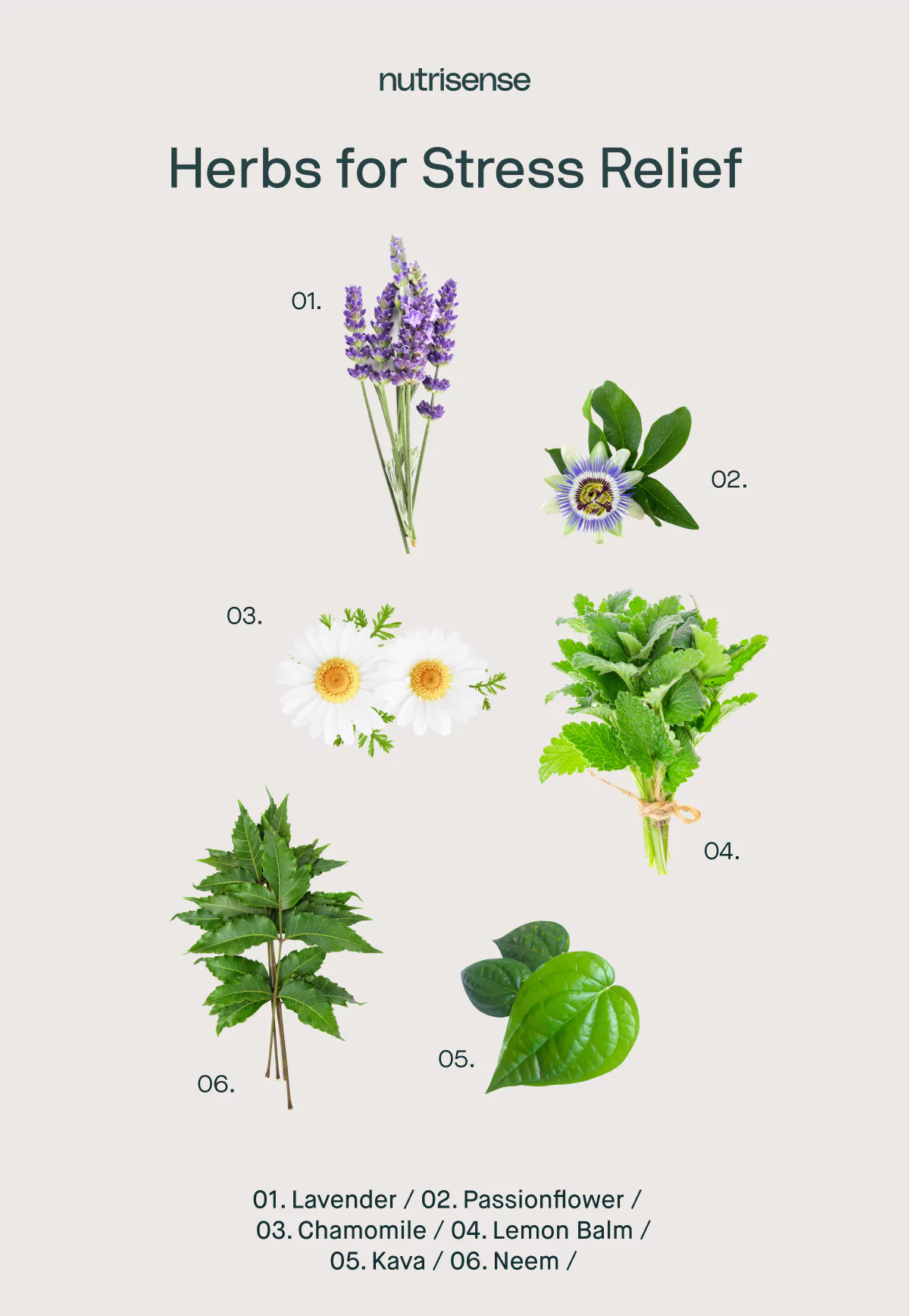
Chamomile (Matricaria chamomilla): A gentle and calming herb, chamomile is well-known for its relaxing and sleep-promoting properties. Research supports its use for anxiety and insomnia (Amsterdam et al., 2009). Look for tinctures made from the flowers, and be aware of potential allergies. Traditionally used as a soothing tea for children and adults.
Lemon Balm (Melissa officinalis): Lemon balm is traditionally used to reduce stress and anxiety, and some studies suggest it can improve cognitive function (Scholey et al., 2004). It’s generally considered safe, but may interact with thyroid medications. Its scent is known for its uplifting qualities.
California Poppy (Eschscholzia californica): A gentle alternative to opium poppy, California poppy is used for its calming and pain-relieving properties. It's traditionally used for insomnia and nerve pain. It's important to note it can cause drowsiness.
Holy Basil (Ocimum sanctum): Also known as Tulsi, Holy Basil is an adaptogen with a long history of use in Ayurvedic medicine. Research suggests it can reduce stress, boost immunity, and improve overall well-being (Jamshidi & Khajavi, 2021). It's important to source from a reputable supplier, as quality can vary considerably.
AI-Verified Herbal Tincture Comparison - 2026
| Herb | Primary Benefits | Research Support | Potential Side Effects | Common Interactions |
|---|---|---|---|---|
| Chamomile | Calming, sleep aid, digestive support | High | Rare, but may cause allergic reactions in those sensitive to ragweed. | May enhance the effects of sedative medications. |
| Echinacea | Immune system support, cold & flu symptom relief | Medium | Mild gastrointestinal upset, potential for allergic reactions. | May interact with immunosuppressants. |
| Ginger | Anti-inflammatory, nausea relief, digestive aid | High | Heartburn, gas, mild stomach discomfort. High doses may affect blood clotting. | May interact with blood thinners and diabetes medications. |
| Lavender | Stress reduction, anxiety relief, sleep improvement | Medium | Generally well-tolerated; may cause mild skin irritation in some individuals. | May enhance the effects of sedative medications. |
| Peppermint | Digestive support, headache relief, energy boost | Medium | Heartburn, nausea (in some individuals), may worsen GERD. | May interact with certain medications, including those for blood pressure and diabetes. |
| St. John's Wort | Mood support, mild to moderate depression | Medium | Photosensitivity, anxiety, dry mouth, dizziness. Can cause serotonin syndrome when combined with other medications. | Significant interactions with many medications, including antidepressants, birth control, and blood thinners. |
| Lemon Balm | Stress reduction, cognitive function, antiviral properties | Medium | Generally well-tolerated, may cause drowsiness. | May interact with sedative medications and thyroid medications. |
| Turmeric | Anti-inflammatory, antioxidant, pain relief | High | Mild digestive issues, may increase risk of bleeding. | May interact with blood thinners and diabetes medications. |
Illustrative comparison based on the article research brief. Verify current pricing, limits, and product details in the official docs before relying on it.
Making Your Own vs. Buying Pre-Made
The allure of making your own tinctures is strong. It allows you to control the entire process, from sourcing the herbs to choosing the solvent. However, it's not as simple as it seems. Sourcing high-quality, ethically harvested herbs can be challenging. You also need to understand the proper extraction techniques to ensure you're getting a potent and effective tincture.
Making tinctures requires time, patience, and a certain level of skill. You’ll need to macerate the herbs in alcohol (typically vodka or brandy) for several weeks, regularly shaking the mixture. Then, you’ll need to strain the tincture and store it properly. It’s a rewarding process, but it’s definitely not a quick fix. Furthermore, even homemade tinctures benefit from lab testing to confirm potency and purity.
Buying from a reputable brand offers convenience and assurance of quality. A good company will have already done the sourcing, extraction, and testing for you. While it may be more expensive upfront, it can save you time, effort, and potential disappointment. Ultimately, the best choice depends on your individual circumstances and priorities. If you’re serious about making your own tinctures, invest in high-quality herbs and learn from experienced herbalists.
No comments yet. Be the first to share your thoughts!