

Gardening for a hotter world
The seasons are shifting. For most of us, that means hotter summers and rain that doesn't show up when it's supposed to. The old gardening books I grew up with don't work anymore. I've had to stop relying on old patterns and start picking plants that actually want to be here when the thermometer hits 100 degrees.
This isn’t defeatism, it’s realism. The good news is that nature provides. There’s a wealth of plants, many of them with potent medicinal properties, that are naturally equipped to handle drought and fluctuating temperatures. Success in the years to come will depend on our ability to understand these plants and integrate them into our home apothecaries.
Understanding your regional microclimate is more important than ever. A south-facing slope will behave differently than a shady north-facing one, even within the same garden. Paying attention to these nuances—and choosing plants that align with them—will significantly increase your garden’s resilience. It’s about observation, experimentation, and a willingness to learn from the land.
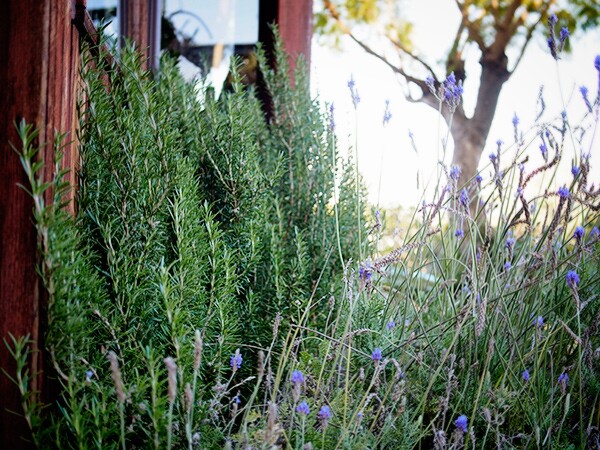
How plants adapt to heat
Climate-adapted herbalism goes beyond simply selecting drought-tolerant plants. It’s about creating a holistic system that works with the natural rhythms of your environment. It considers not just rainfall, but also temperature extremes, increased pest pressure, and altered growing seasons. These factors all influence what will thrive in your garden.
Assessing your local climate challenges requires a bit of investigation. Look at historical weather data for your area—how have temperatures changed over the past few decades? Are you experiencing more frequent or intense heat waves? Is your growing season getting longer or shorter? These are all important questions to answer before you start planning your garden. Resources like the National Oceanic and Atmospheric Administration (NOAA) provide valuable data.
Permaculture principles offer a powerful framework for building resilient herbal gardens. Concepts like stacking functions (using plants that serve multiple purposes), creating guilds (grouping plants that support each other), and maximizing edge effect (increasing the amount of interaction between different elements) can all contribute to a more sustainable and productive system. It's about designing a garden that mimics the complexity and resilience of natural ecosystems.
Drought-resistant plants for 2026
As we look ahead to 2026 and beyond, certain herbs are poised to become staples in the climate-adapted garden. These plants aren’t just survivors; they offer significant medicinal benefits and are relatively easy to cultivate, even for beginners. We’re focusing on plants that demonstrate proven resilience and have a strong history of traditional use.
Yarrow is a tough plant. I use it to stop bleeding from garden nicks or to help a fever break. It handles full sun and rocky soil across most of North America. California poppy is another favorite. It isn't just for looks; the petals and leaves make a tea that actually helps you sleep when you're too stressed to drift off. It thrives in the heat of zones 8 through 10.
Rosemary (Salvia rosmarinus) is a Mediterranean native that’s perfectly suited to dry, sunny conditions. It’s a powerful antioxidant and cognitive enhancer, and its fragrant foliage adds a lovely touch to any garden. It flourishes in zones 7-11. Lavender (Lavandula angustifolia) is another Mediterranean staple, beloved for its calming scent and medicinal properties. It prefers full sun and well-drained soil and grows best in zones 5-9.
Echinacea (Echinacea purpurea) is a well-known immune booster, and surprisingly drought-tolerant once established. It prefers full sun and well-drained soil and grows in zones 3-9. Mullein (Verbascum thapsus) is a powerful lung tonic and expectorant, and it’s incredibly adaptable, thriving in disturbed soils and dry conditions. It's a biennial, meaning it flowers in its second year. Zones 3-10.
Chamomile (Matricaria chamomilla) is a gentle nervine and digestive aid, and it can tolerate some drought. It prefers full sun and well-drained soil. Zones 3-9. Horehound (Marrubium vulgare) is a traditional remedy for coughs and respiratory ailments, and it's remarkably drought-tolerant. It prefers full sun and well-drained soil. Zones 6-10.
Plantain (Plantago major/lanceolata) is a common 'weed' with surprisingly potent medicinal properties. It’s a wound healer, anti-inflammatory, and drawing agent. It’s incredibly adaptable and grows in a wide range of conditions. Zones 3-9. Finally, Thyme (Thymus vulgaris) is an aromatic herb with antiseptic and expectorant properties, and it thrives in dry, sunny conditions. Zones 5-9.
Essential Tools for Cultivating Drought-Resistant Herbs
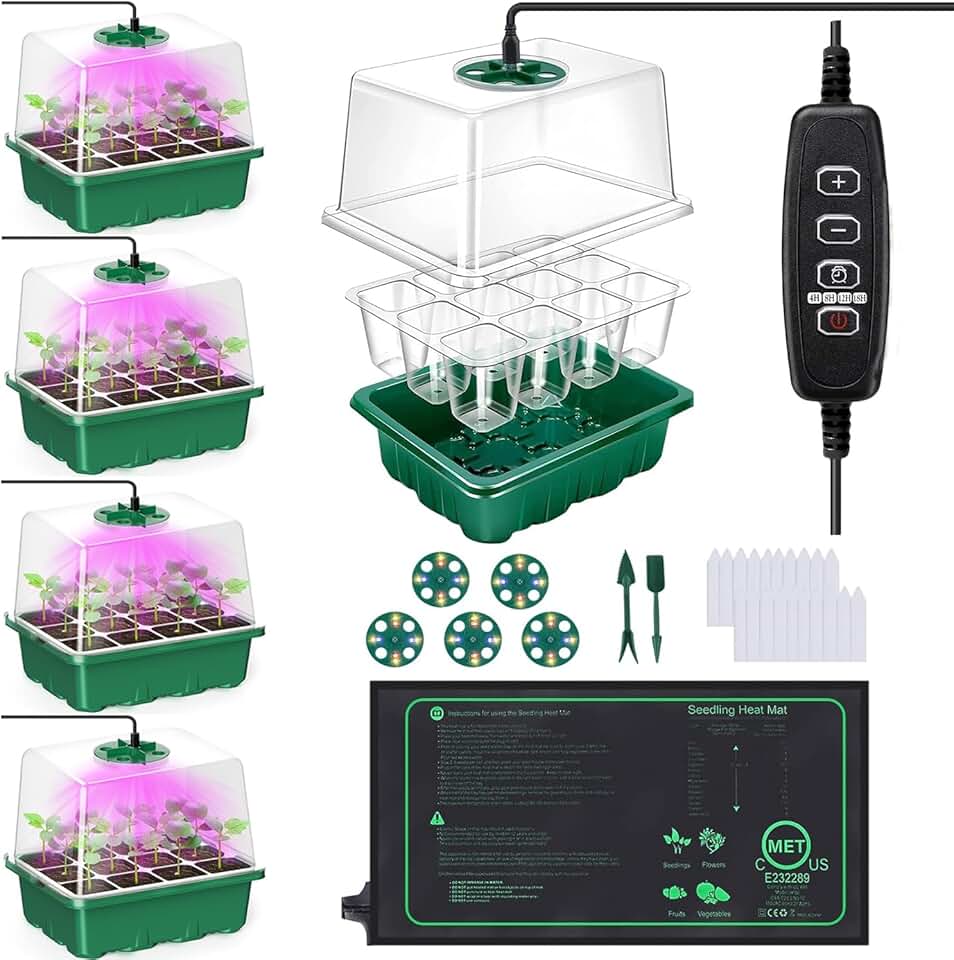
Includes 5 seed starter trays · Integrated heat mat and adjustable grow light with timer · Adjustable humidity domes for controlled environment
Provides a controlled environment essential for germinating and establishing drought-resistant herb seedlings.

Over 20,000 non-GMO seeds · Specially selected for drought tolerance · Includes popular wildflowers like Black-Eyed Susan and California Poppy
Introduces resilient, low-water flowering plants that can complement a medicinal herb garden and thrive in drier climates.

Durable 304 stainless steel probe · Instant read hygrometer for accurate moisture levels · Suitable for indoor and outdoor use
Helps monitor soil moisture precisely, preventing overwatering which can be detrimental even to drought-resistant plants.
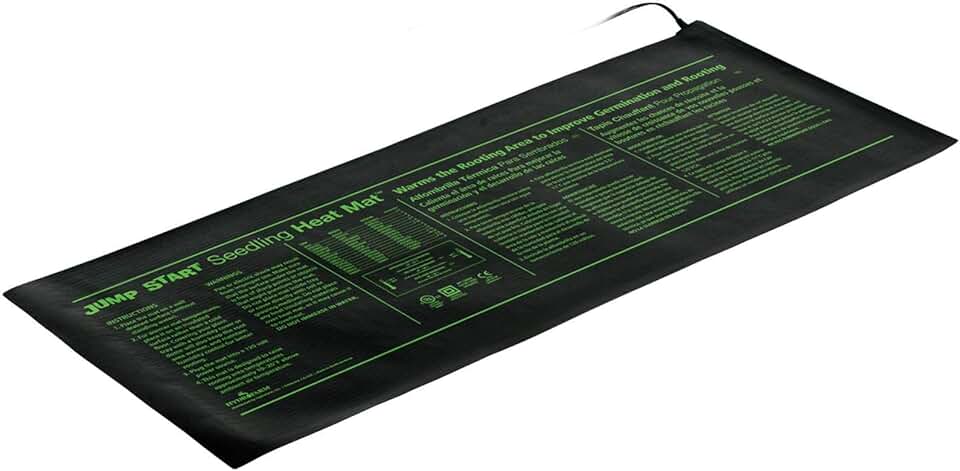
107-watt, UL-certified heat mat · Large 48"x20" size for multiple trays · Promotes faster and stronger germination
Provides consistent warmth crucial for seed germination, ensuring a strong start for your drought-resistant medicinal herbs.

36 reusable cells for seed starting · Durable construction for multiple uses · Designed for successful indoor germination
A reliable and reusable tray for starting multiple herb seeds, offering a practical solution for home propagation.
As an Amazon Associate I earn from qualifying purchases. Prices may vary.
Beyond the Basics: Regional Considerations
’Drought-resistant’ isn’t a universal label. What thrives in the arid Southwest will likely struggle in the humid Southeast. It’s essential to tailor your plant choices to your specific region. A plant’s hardiness zone is a good starting point, but it doesn’t tell the whole story. Consider the specific climate challenges of your area.
In the Southwest US, Mojave Yucca (Yucca schidigera) is an excellent choice. It’s incredibly drought-tolerant and has a long history of medicinal use, but it would likely suffer in a wetter climate. Desert Sage (Salvia dorrii) is another strong performer in this region. In the Mediterranean, consider adding more Fig Marigold (Mesembryanthemum crystallinum) to your garden, which is incredibly salt-tolerant and drought resistant.
The Pacific Northwest presents a different set of challenges. While drought isn't as severe as in the Southwest, summers are becoming drier and warmer. Focus on plants that can tolerate both drought and some moisture, such as Oregon Grape (Mahonia aquifolium) and Red Flowering Currant (Ribes sanguineum). Local Witch Doctor's regional guides can provide more specific recommendations for your area.
Climate-Adapted Herbs for a Resilient Home Apothecary (2026)
| Climate Zone | Key Challenges | Top 3 Herb Recommendations | Notes |
|---|---|---|---|
| Southwest (USDA Zones 7-10) | Low rainfall, intense sun, hot temperatures, poor soil | Yarrow (Achillea millefolium), Desert Sage (Salvia dorrii), Prickly Pear (Opuntia spp.) | Yarrow thrives in disturbed soils. Desert Sage requires excellent drainage. Prickly Pear pads need careful handling. |
| Mediterranean (USDA Zones 8-11) | Hot, dry summers; mild, wet winters; rocky soil | Rosemary (Salvia rosmarinus), Lavender (Lavandula angustifolia), Thyme (Thymus vulgaris) | Rosemary prefers full sun and well-drained soil. Lavender benefits from infrequent deep watering. Thyme is highly adaptable to poor soils. |
| Pacific Northwest (USDA Zones 6-9) | Summer drought, mild winters, potential for heavy rainfall in other seasons | California Poppy (Eschscholzia californica), Self-Heal (Prunella vulgaris), Oregon Grape (Mahonia aquifolium) | California Poppy self-seeds readily. Self-Heal tolerates a wide range of conditions. Oregon Grape prefers partial shade. |
| Great Plains (USDA Zones 3-8) | Extreme temperature fluctuations, unpredictable rainfall, strong winds | Echinacea (Echinacea purpurea), Black-Eyed Susan (Rudbeckia hirta), Chamomile (Matricaria chamomilla) | Echinacea prefers full sun and well-drained soil. Black-Eyed Susan is drought-tolerant once established. Chamomile prefers a slightly acidic soil. |
| Southeast (USDA Zones 7-9) | High humidity, intense summer heat, occasional drought | Lemon Balm (Melissa officinalis), Bee Balm (Monarda spp.), Plantain (Plantago major) | Lemon Balm can spread aggressively. Bee Balm attracts pollinators. Plantain is a common 'weed' with significant medicinal properties. |
| Northeast (USDA Zones 3-7) | Cold winters, warm summers, variable rainfall | St. John’s Wort (Hypericum perforatum), Calendula (Calendula officinalis), Comfrey (Symphytum officinale) | St. John’s Wort prefers full sun and well-drained soil. Calendula readily self-seeds. Comfrey requires rich soil and consistent moisture, but is relatively drought-tolerant once established. |
| Mountain West (USDA Zones 4-7) | Short growing season, dry air, significant temperature swings | Mugwort (Artemisia vulgaris), Arnica (Arnica montana), Yarrow (Achillea millefolium) | Mugwort can be invasive. Arnica requires well-drained, slightly acidic soil. Yarrow is highly adaptable. |
Illustrative comparison based on the article research brief. Verify current pricing, limits, and product details in the official docs before relying on it.
Harvesting without wasting water
Conserving water doesn't stop at plant selection. It extends to how you grow and process your herbs. Efficient irrigation methods are crucial. Drip irrigation delivers water directly to the roots, minimizing evaporation. Swales – shallow ditches designed to capture rainwater – can help recharge groundwater. Ollas – unglazed clay pots buried in the soil – provide a slow, consistent source of moisture.
Proper drying is essential for preserving the medicinal properties of your herbs. Dry herbs in a cool, dark, well-ventilated space, away from direct sunlight. Using a dehydrator can speed up the process and reduce the risk of mold. Consider using solar dryers to minimize energy consumption. Remember that the quality of your herbs directly impacts the potency of your remedies.
When making tinctures and salves, prioritize water-conserving methods. Use dried herbs instead of fresh whenever possible, as drying requires less water. Respect the plant by utilizing all parts – leaves, stems, flowers, and roots – to minimize waste. This is a core principle of sustainable herbalism.
Cultivating Resilience: Soil Health is Key
Healthy soil is the foundation of a drought-resistant garden. Soil rich in organic matter acts like a sponge, holding onto water and making it available to plants. Building soil health is an ongoing process, but it’s one of the most important investments you can make in your garden’s resilience.
I pile on the compost every spring. It acts like a sponge. If you aren't mulching with straw or wood chips, you're losing half your water to evaporation. These layers keep the soil cool and stop the weeds from stealing what little moisture is left in the ground.
Specific soil amendments can further improve water retention. Biochar – a charcoal-like substance – is incredibly porous and can hold many times its weight in water. Clay minerals, such as bentonite clay, can also help to improve soil structure and water-holding capacity. Remember to test your soil to determine its specific needs before adding any amendments.
No comments yet. Be the first to share your thoughts!