

Why we detox in spring
There's a reason the idea of a 'spring cleaning' extends beyond the house. After the heavier foods and often slower pace of winter, our bodies feel a natural urge to shed what it doesn’t need. A spring detox isn't about restrictive diets or harsh cleanses; it’s about gently supporting the body’s innate detoxification processes. We’re talking about giving your system a little boost as the world around you bursts with new life.
Spring brings fresh greens that our bodies crave after a winter of heavy root vegetables. It is a natural time to shift toward lighter meals. Just as the ground thaws and clears old growth, we can help our systems clear out and prepare for the heat of summer.
I believe a truly effective detox is about nourishment and elimination. It’s about flooding the body with nutrients while simultaneously supporting its ability to remove waste. This isn't a quick fix, though. It’s a gentle process of rebalancing and revitalization. If you're interested in understanding the science behind detoxification, the 7-Day Program outlined in the document from fammed.wisc.edu is a good starting point – it explains how our bodies identify, neutralize, and eliminate unhealthy substances.
We often think of toxins as external – pollutants, chemicals in food – but our bodies also produce metabolic waste. Supporting the organs responsible for processing both is the core of a healthy spring reset. It's about working with your body, not against it. This means prioritizing whole foods, hydration, and gentle herbal support.
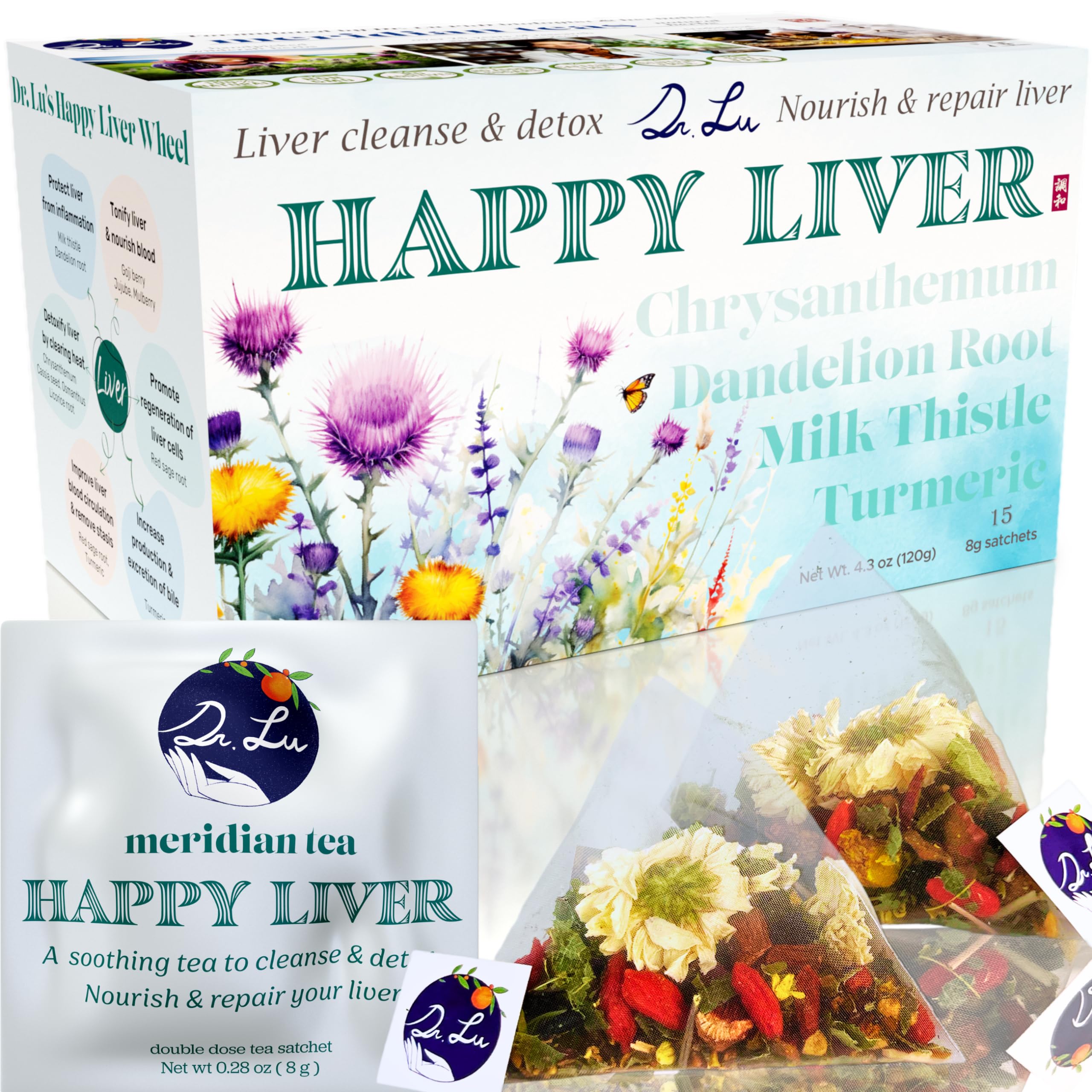
Herbs that support the liver
The liver is truly the workhorse of detoxification. It filters blood, metabolizes nutrients, and breaks down hormones. It’s constantly working to neutralize harmful substances, transforming them into forms the body can eliminate. When the liver is overloaded – by excessive alcohol consumption, processed foods, or environmental toxins – it can struggle to keep up. This can lead to fatigue, digestive issues, skin problems, and a general feeling of sluggishness.
Milk thistle is the standard for liver support. It contains silymarin, which helps protect liver cells from damage. While research is ongoing, studies suggest it works as an antioxidant to reduce inflammation in liver tissue.
Dandelion root (Taraxacum officinale) is another powerhouse. It acts as a gentle diuretic, helping the liver flush out toxins through increased urine production. It also stimulates bile flow, which is essential for fat digestion and detoxification. Artichoke leaf (Cynara scolymus) also supports bile production, and contains compounds that may help protect liver cells. I find it a bit more subtle in its action than dandelion, but effective nonetheless.
Finally, turmeric (Curcuma longa), with its active compound curcumin, is a potent anti-inflammatory and antioxidant. While it doesn’t directly target the liver in the same way as the other herbs, its ability to reduce inflammation throughout the body indirectly supports liver function. These herbs don’t work in isolation; they can be combined to create a synergistic effect. Dandelion, for example, can help stimulate bile flow, while milk thistle protects the liver cells that process that bile.
A bitter broth recipe
The Instagram post from @yourlocalwitchdoctor highlighting a Spring Detox Broth really resonated with me. The focus on bitter herbs is brilliant – they’re often overlooked in modern diets, but they play a crucial role in stimulating digestion and supporting detoxification. Bitter herbs stimulate the production of digestive juices, helping the body break down food more efficiently and absorb nutrients more effectively. This, in turn, reduces the burden on the liver.
Here’s a recipe inspired by that post, adapted for home use:
Spring Detox Broth (Bitter Greens Herbal Tonic)
Ingredients: 2 cups water, 1 cup dandelion greens (chopped), ½ cup nettle leaves (dried or fresh), ¼ cup parsley (chopped), 1 tbsp burdock root (dried), 1 tsp ginger (grated), pinch of cayenne pepper (optional), sea salt to taste.
- Boil two cups of water in a saucepan.
- Add all ingredients and reduce heat to low. Simmer for 20-30 minutes.
- Strain the broth through a fine-mesh sieve.
- Season with sea salt to taste. Enjoy warm.
Dry January Support: Herbs for Reset
If you are cutting back on alcohol, certain herbs help manage the resulting anxiety and restlessness. They aren't a substitute for medical treatment or addressing the root of a habit, but they do make the transition easier on the nervous system.
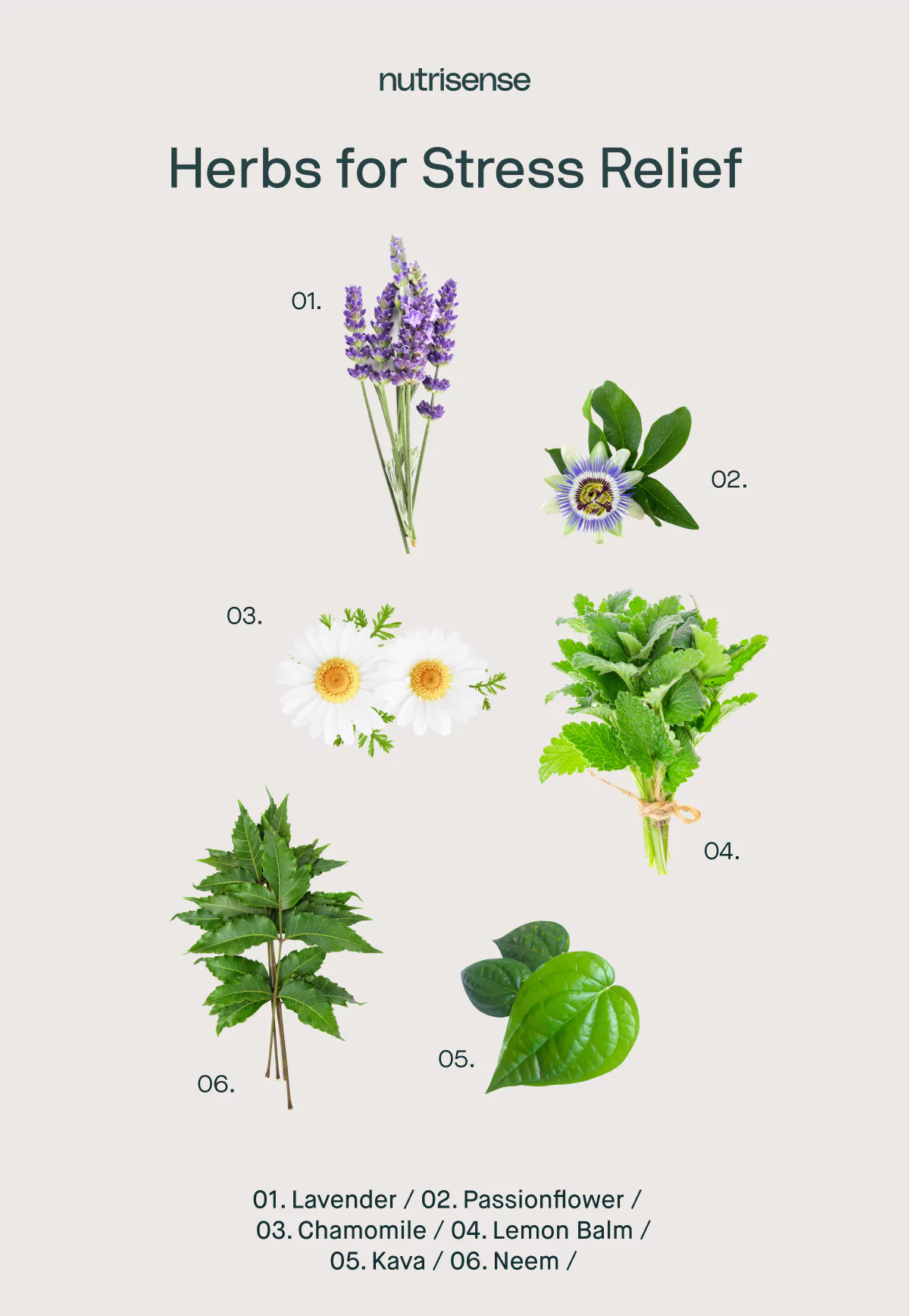
Chamomile (Matricaria chamomilla) is a classic for calming the nervous system and promoting relaxation. It contains compounds that bind to receptors in the brain, reducing anxiety and promoting sleep. Lemon balm (Melissa officinalis) has similar properties, and also helps to lift mood. Oatstraw (Avena sativa) is a nourishing herb that supports the nervous system over the long term, helping to rebuild resilience and reduce sensitivity to stress.
These herbs work by influencing the GABA neurotransmitter system, which is responsible for regulating mood and reducing anxiety. They don't provide a quick fix, but rather offer gentle, sustained support. I often recommend a combination of these herbs as a tea, consumed throughout the day.
- Chamomile helps with sleep and eases the edge of anxiety.
- Lemon Balm: Lifts mood, reduces anxiety, supports nervous system.
- Oatstraw: Nourishing, rebuilds resilience, reduces stress sensitivity.
Spring Detox Herbal Allies
- Dandelion Root - Supports liver function and bile production, aiding in detoxification. Can be consumed as a tea or tincture. Often has a slightly bitter taste.
- Milk Thistle - Contains silymarin, a compound known for its liver-protective properties. Traditionally used to support liver health and regeneration. Available as seeds, capsules, or tincture.
- Burdock Root - A traditional blood purifier and liver supporter. Supports lymphatic drainage and helps eliminate toxins. Commonly found as a root vegetable or in tinctures and teas.
- Artichoke Leaf - Stimulates bile flow, aiding in digestion and detoxification. Supports liver and gallbladder function. Often consumed as a supplement or tea.
- Turmeric - Contains curcumin, a potent antioxidant and anti-inflammatory compound. Supports liver detoxification and overall health. Best absorbed when combined with black pepper.
- Chicory Root - Supports liver function and digestion. Acts as a gentle prebiotic, promoting gut health. Can be roasted and used as a coffee substitute or incorporated into teas.
- Yellow Dock - Traditionally used as a gentle laxative and liver tonic. Rich in iron and supports healthy digestion. Best used in moderation and often combined with other herbs.
Beyond the Broth: 3 Herbal Recipes
These three recipes are easy to fit into a normal morning or lunch routine.
Liver-Cleansing Tea Blend: Combine 1 part milk thistle seed, 1 part dandelion root, and ½ part burdock root. Steep 1-2 teaspoons in 8 ounces of hot water for 10-15 minutes. Drink 2-3 times per day. This blend provides a broad spectrum of liver-supporting nutrients.
Dandelion Root Coffee Alternative: Roast dandelion root until dark brown and fragrant. Grind and brew like coffee. It offers a similar flavor profile to coffee, but without the caffeine and with added liver support. I've found roasting the root in a cast-iron skillet works best.
Simple Herbal Salad Dressing: Whisk together 2 tablespoons olive oil, 1 tablespoon apple cider vinegar, 1 teaspoon dandelion greens (finely chopped), and a pinch of sea salt. This adds a boost of nutrients and bitter flavor to your salads. Feel free to experiment with other herbs like parsley or chives.
Managing detox symptoms
A spring detox, even a gentle one, can sometimes bring up temporary discomfort. Mild headaches, fatigue, digestive upset, or even skin breakouts are all possible as the body releases toxins. These are usually short-lived and a sign that the process is working. It’s important to listen to your body and adjust your approach accordingly.
To mitigate these side effects, drink plenty of water to help flush out toxins. Get enough rest to allow your body to repair and rebuild. Reduce stress through activities like yoga, meditation, or spending time in nature. Start slowly, gradually increasing your intake of detoxifying foods and herbs. And remember, this isn’t about deprivation; it’s about nourishing your body.
Disclaimer: This information is for educational purposes only and is not intended as medical advice. Always consult with a qualified healthcare provider before starting any new herbal regimen or making significant changes to your diet or lifestyle.

No comments yet. Be the first to share your thoughts!