

AI's role in herbalism
My grandmother always had a knack for knowing exactly when to harvest chamomile for the most soothing tea. It wasn't a science, not in the way we understand it today – just years of observation, a feel for the plants, and a deep connection to the land. That intuitive knowledge is powerful, but it’s also limited by a single person’s experience. Now, imagine scaling that knowledge, combining it with data, and applying it consistently across a wider range of conditions. That's the promise of AI-enhanced herbal medicine.
Traditional herbalism, for all its benefits, faces inherent challenges. Identifying plants correctly can be tricky, even for experienced practitioners. Growing conditions vary wildly, impacting the potency of herbs. And consistency – achieving the same quality of herb batch after batch – is often difficult. These are areas where artificial intelligence is beginning to make a real difference.
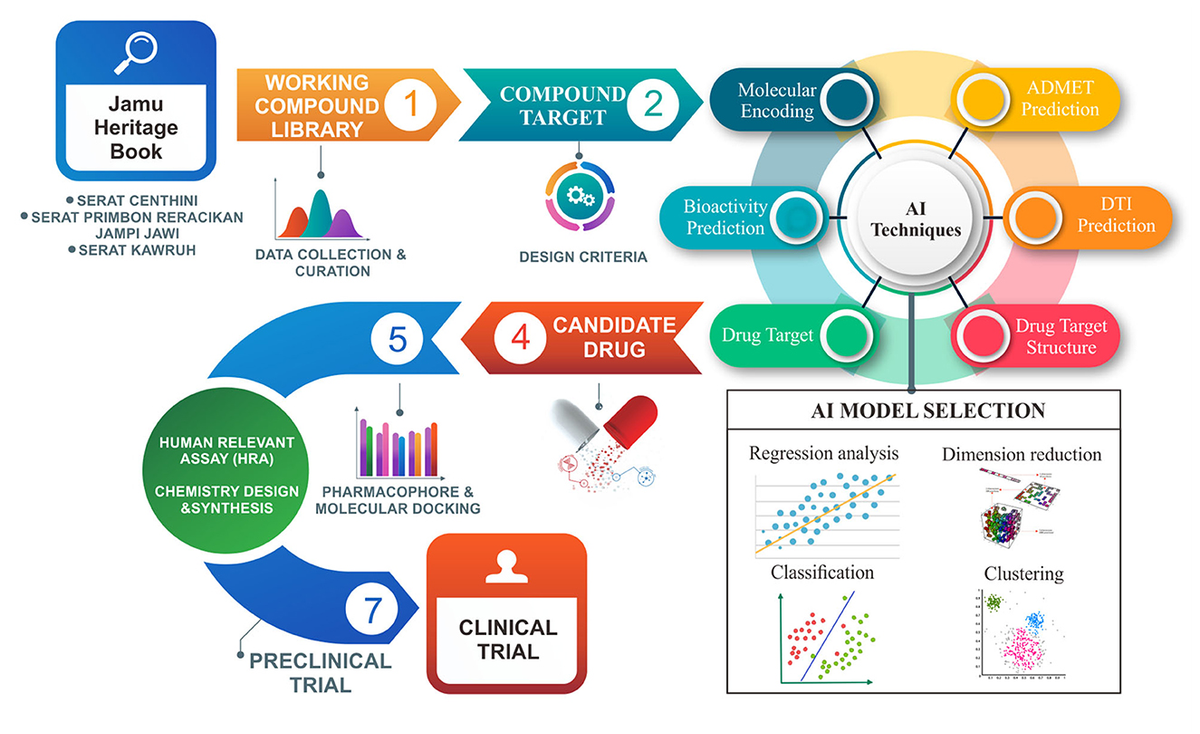
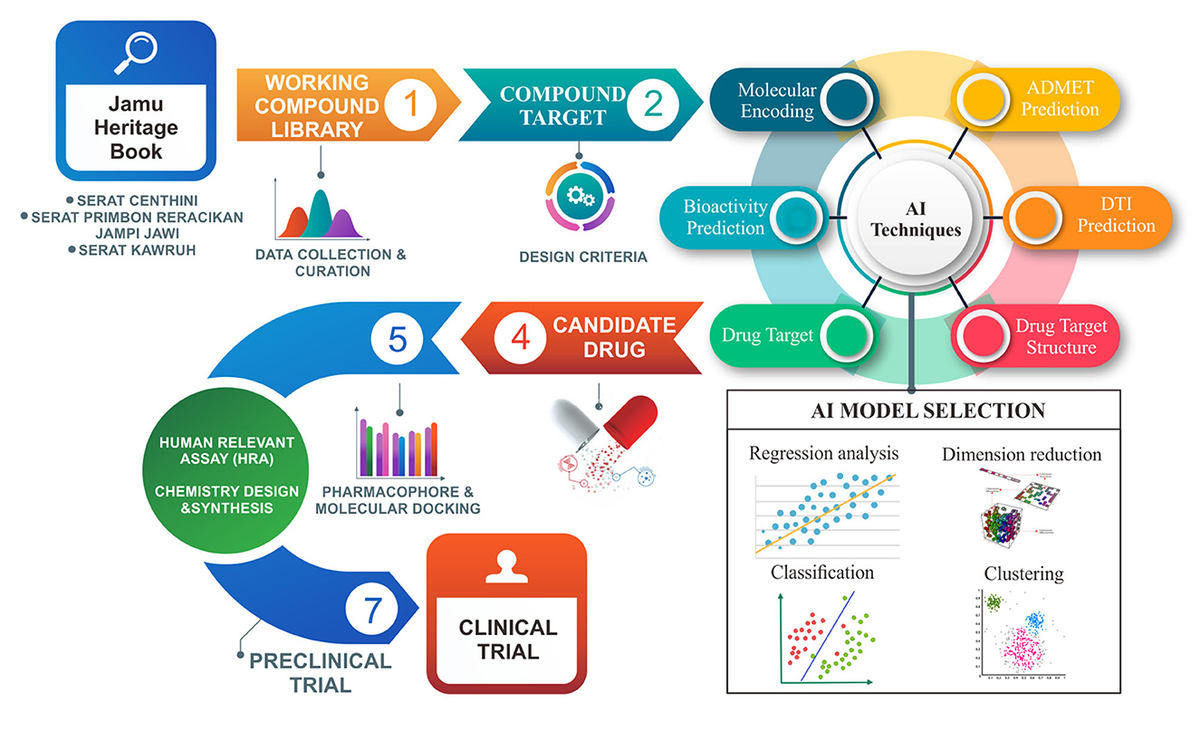
AI isn’t meant to replace the wisdom of traditional herbalists, but to augment it. We're moving beyond relying solely on anecdotal evidence and towards a more data-driven approach. A recent review published by the National Center for Biotechnology Information (PMC) highlights the growing body of research exploring the application of AI in traditional medicine, from drug discovery to personalized treatment plans. The potential is enormous, and we’re only at the beginning of understanding it.
This isn’t some distant future scenario either. It's happening now, with the development of 'smart gardens' and AI-powered tools that are changing how we grow, identify, and utilize medicinal plants. It represents a significant shift in how we approach natural remedies, one that blends ancient wisdom with cutting-edge technology.
Smart gardens for herb cultivation
Forget the image of a simple self-watering planter. Today’s smart gardens are sophisticated ecosystems managed by a network of sensors and automated systems. These systems continuously monitor crucial factors like soil moisture, light intensity, nutrient levels, and even air temperature. This data isn’t just displayed on an app; it’s used to dynamically adjust conditions, ensuring optimal growth for each herb.
Automated watering and feeding are the most obvious benefits, but the data collection aspect is truly transformative. These gardens create a detailed profile of each plant’s environment, allowing growers to understand precisely what conditions produce the highest quality herbs. Systems like Rise Gardens offer vertical growing solutions with integrated sensors and apps, while Click & Grow focuses on smaller, countertop gardens designed for convenience. Gardyn takes a different approach, offering a fully automated system with a focus on space efficiency.
The result? Herbs grown in smart gardens often exhibit higher concentrations of essential oils and active compounds compared to traditionally grown plants. This translates to more potent teas, tinctures, and other herbal preparations. While the initial investment can be higher than traditional gardening, the increased yield and quality can offset the cost over time. Plus, they’re incredibly convenient – a boon for those of us with busy lives.
Smart Garden System Comparison - 2026
| Price Range | Herb Variety Support | App Features | Ease of Use | Space Requirements |
|---|---|---|---|---|
| High | Extensive | Advanced - AI-powered growth suggestions, remote monitoring, automated adjustments | Moderate - Requires initial setup and occasional maintenance | Large - Designed for substantial yields, floor space needed |
| Moderate | Good | Standard - Growth tracking, light/water schedules, plant health alerts | High - Simple setup, user-friendly interface | Moderate - Compact design, suitable for smaller spaces |
| Moderate | Limited | Basic - Light control, water level indicators, growth reminders | Moderate - Straightforward assembly, minimal configuration | Vertical - Optimized for limited floor space, utilizes height |
| High | Good | Advanced - Integration with recipe databases, automated ordering of supplies, personalized recommendations | Moderate - Some complexity in initial calibration, ongoing monitoring recommended | Large - Similar to Rise Gardens, requires dedicated space |
| Moderate | Moderate | Standard - Basic growth tracking, community features, access to plant information | High - Very easy to start, pre-seeded pods simplify planting | Small - Designed for countertops or small apartments |
Illustrative comparison based on the article research brief. Verify current pricing, limits, and product details in the official docs before relying on it.
AI for plant identification and diagnosis
Misidentification is a surprisingly common problem in herbalism. Using the wrong plant, even one that looks similar to the intended herb, can have serious consequences. AI is offering a solution through image recognition technology. Apps like PlantNet, and PictureThis use your smartphone’s camera to identify plants with remarkable accuracy.
But it goes beyond simply identifying the species. AI can also diagnose plant diseases and nutrient deficiencies based on visual cues. A subtle discoloration in the leaves, a slight wilting – these can be early warning signs that a human might miss. AI algorithms, trained on vast datasets of plant images, can detect these patterns and provide recommendations for treatment.
However, it's important to remember that AI isn’t infallible. These systems are only as good as the data they're trained on, and they can sometimes make mistakes. Human expertise remains crucial. Think of AI as a powerful tool to assist herbalists, not replace them. It’s a second opinion, a quick check, but not a definitive answer in all cases. A skilled herbalist will always consider the plant's environment, growing conditions, and overall health when making a diagnosis.
Personalized herb blends with AI
Perhaps the most exciting – and potentially controversial – application of AI in herbalism is the development of personalized herb blends. Imagine an AI algorithm that can analyze your health data – with your explicit consent, of course – and recommend a custom blend of herbs tailored to your specific needs. This is no longer science fiction.
The AI would consider a wide range of factors, including your medical history, allergies, medications, lifestyle, and even your genetic predispositions. It could then formulate a blend designed to address your unique imbalances and promote optimal wellness. The PMC review mentioned earlier details several projects exploring this very concept, applying AI to the principles of traditional Chinese medicine and Ayurveda.
Ethical considerations are paramount here. Data privacy and security must be rigorously protected. Algorithmic bias is another concern – ensuring that the AI doesn’t perpetuate existing health disparities. And we need to be mindful of the potential for over-reliance on technology, remembering that the human connection between herbalist and patient is incredibly important.
Despite these challenges, the potential benefits are significant. Personalized herb blends could be far more effective than one-size-fits-all remedies, offering a truly individualized approach to healthcare. It's a complex field, but one that holds immense promise.
What's Your Herbal Constitution?
In the evolving world of AI-enhanced herbal medicine, understanding your individual constitution is more important than ever. Smart gardens and personalized recommendations are powerful tools, but they work best when tailored to *you*. This short quiz will help you identify your basic constitutional type – a foundational concept in traditional herbalism – and suggest herbs that may be particularly supportive. Please answer honestly, reflecting your typical state, not just how you feel today. Remember, this is for informational purposes only and is not a substitute for professional medical advice.
Predictive harvesting for potency
The potency of an herb isn’t constant. It fluctuates throughout the day and throughout the plant’s lifecycle. Harvesting at the wrong time can significantly reduce the concentration of active compounds. AI can help us pinpoint the optimal harvest time with remarkable precision.
By continuously monitoring environmental factors and analyzing plant physiology, AI algorithms can predict when plants will have the highest levels of essential oils, alkaloids, or other beneficial compounds. This data-driven approach ensures that herbs are harvested at their peak potency, maximizing their therapeutic value.
This is particularly important for tincture making, where the quality of the herb directly impacts the strength and effectiveness of the final product. Imagine being able to harvest chamomile precisely when its concentration of apigenin – a compound known for its calming effects – is at its highest. That’s the power of predictive harvesting. It’s a level of precision that was previously unattainable.
The evolving role of herbalists
What does the future hold for the herbalist in an age of AI? Will these ancient practitioners be replaced by algorithms? I highly doubt it. Instead, I believe the role of the herbalist will evolve, becoming more focused on interpretation, personalization, and patient care.
AI can handle much of the data analysis and plant identification, freeing up herbalists to focus on what they do best: building relationships with patients, understanding their individual needs, and crafting holistic treatment plans. AI can augment their knowledge, providing them with access to a vast database of information and insights.
Finding a reliable herbalist can be difficult. A quick search on Facebook often yields a mixed bag of results, with varying levels of training and experience. AI-powered platforms could help connect people with qualified practitioners, verifying their credentials and providing access to verified reviews. This could significantly improve access to quality herbal care.
The human element is irreplaceable. A skilled herbalist can assess a patient’s overall constitution, consider their emotional state, and tailor a treatment plan that addresses the root cause of their illness – something an algorithm simply cannot do.
The future of AI in herbal medicine
Looking ahead to 2026 and beyond, we can expect to see even more sophisticated AI-enhanced herbal medicine technologies emerge. Sensor technology will become more affordable and accurate, allowing for even more precise monitoring of plant health and environmental conditions. AI algorithms will become more refined, capable of analyzing increasingly complex datasets.
Personalized medicine will become the norm, with AI-powered platforms offering customized herb blends tailored to individual needs. We might even see the development of AI-powered home herbal pharmacies, where individuals can create their own remedies based on their unique health profiles. The possibilities are truly exciting.
However, challenges remain. Data privacy, algorithmic bias, and the need for ongoing research are all critical considerations. We must ensure that these technologies are developed and deployed responsibly, with a focus on equity and accessibility. The long-term effects of prolonged AI assistance are still unknown.
Despite these uncertainties, the future of herbal medicine is undeniably bright. By embracing the power of AI, while honoring the wisdom of tradition, we can unlock the full potential of these ancient healing practices and make them more accessible and effective for all.
No comments yet. Be the first to share your thoughts!