

Herbs for a shifting climate
Gardening in 2026 feels like a gamble. Last year's drought followed by sudden spring floods killed off half my traditional mint and lavender. We can't rely on the old planting calendars anymore. To keep a functional apothecary, we have to switch to species that don't mind a week of 100-degree heat or soggy roots.
This isn’t about predicting the future or "future-proofing" our gardens, but about acknowledging and working with the changes already underway. We need to focus on climate-resilient herbs – plants that demonstrate an ability to thrive despite these challenges. This means looking at species that can withstand drought, tolerate heat, or adapt to altered soil conditions. It also means understanding the concept of adaptogens, herbs that help the human body resist physical, chemical, and biological stressors.
Adaptogens aren’t a magic bullet, but they can play a significant role in bolstering our own resilience. They work by helping to regulate the body's stress response, supporting adrenal function, and improving overall vitality. In a world facing increasing uncertainty, having access to these herbs, and knowing how to use them, feels more important than ever. We need to move beyond simply treating symptoms and start cultivating a deeper connection with plants that can support us through these turbulent times. It's about building a relationship with the land and its gifts.
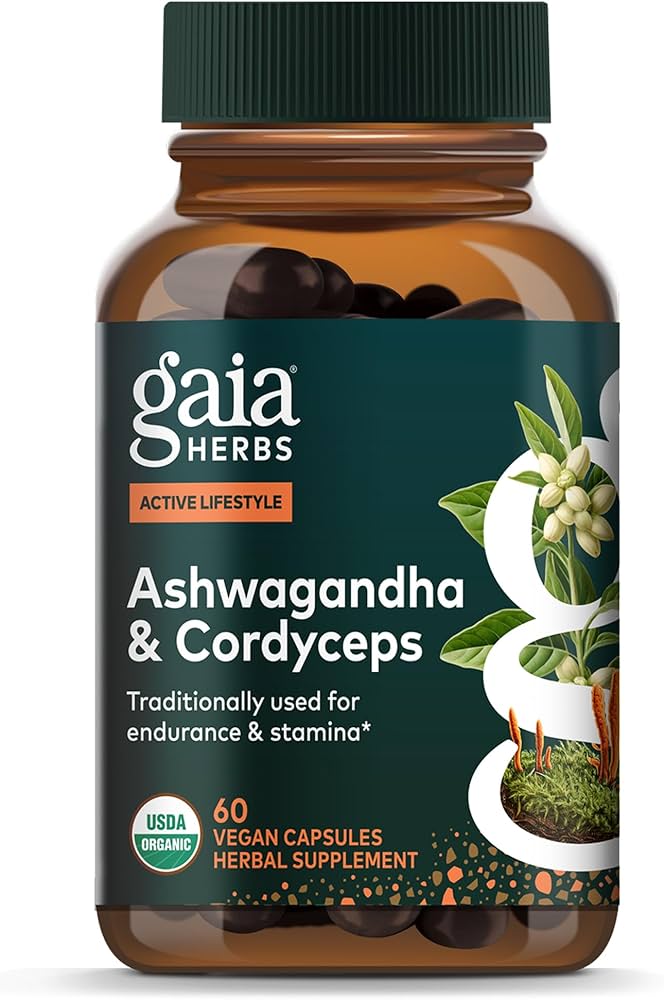
Ashwagandha for drought
Ashwagandha (Withania somnifera) is a cornerstone of Ayurvedic medicine, and for good reason. It’s traditionally been used for centuries to reduce stress, improve energy levels, and support overall well-being. Modern research is now validating these traditional uses, demonstrating ashwagandha’s ability to lower cortisol levels – a key hormone involved in the stress response. Studies, like those conducted by Chandrasekhar et al. (2012) in Ayurveda, have shown significant reductions in cortisol in individuals taking ashwagandha supplements.
What’s particularly relevant in a changing climate is ashwagandha’s impressive drought tolerance. This makes it a relatively easy herb to cultivate in areas experiencing water scarcity. Currently, ashwagandha thrives in the drier regions of India, Africa, and the Middle East. However, as temperatures rise and rainfall patterns shift, it's likely to become increasingly viable in areas like the southwestern United States and parts of southern Europe. The root is the most commonly used part, but the leaves also contain beneficial compounds.
The root is what you want for lowering cortisol, while the leaves work better as a mild tonic. Since it's a nightshade, skip it if you're pregnant or have specific sensitivities to that family. I buy mine from Mountain Rose Herbs to make sure I'm not getting filler.
Holy basil thrives in the heat
Holy Basil, known as Tulsi (Ocimum sanctum), is another powerful adaptogen with a long history of use in Ayurvedic medicine. It’s revered in India as a sacred plant, and for good reason. Tulsi is exceptionally heat-tolerant and thrives in warm, humid climates. This makes it an excellent choice for gardeners in regions experiencing rising temperatures and increased heat waves. It's far more resilient than many common culinary basils.
Beyond its heat tolerance, Tulsi offers a range of adaptogenic benefits, including immune support, stress reduction, and antioxidant protection. It’s also been shown to help the body adapt to environmental stressors, such as pollution and radiation. Interestingly, Tulsi is surprisingly effective at absorbing pollutants from the air, which could become increasingly important in areas affected by wildfires or industrial pollution. It also has a positive impact on soil health, making it a great companion plant.
There are three main varieties of Tulsi: Rama, Krishna, and Vana. Rama Tulsi is known for its sweet, floral aroma and is considered the most common variety. Krishna Tulsi has a darker, spicier flavor and is believed to be more grounding. Vana Tulsi is a wild variety that is less commonly cultivated. While subtle, these differences can influence the herb’s energetic properties.
Rhodiola and high-altitude stress
Rhodiola (Rhodiola rosea) is a fascinating adaptogen traditionally used in the high-altitude regions of Siberia and Central Asia. For centuries, people have relied on Rhodiola to combat the effects of harsh climates, improve physical endurance, and enhance mental clarity. It's a plant that has literally evolved to thrive in challenging conditions – cold temperatures, high winds, and short growing seasons.
Rhodiola helps you keep a clear head when things get chaotic. It targets the HPA axis to keep your stress response from redlining. The problem is that it's being overharvested in the wild. If you aren't growing it yourself or buying from a certified sustainable farm, you're likely contributing to its disappearance from the Siberian steppes.
When purchasing Rhodiola, it’s essential to choose a reputable supplier that practices sustainable harvesting methods. Look for products that are certified organic and sourced from known origins. I’m not sure about Rhodiola’s long-term viability in a rapidly warming world, as its traditional habitat is shrinking. It remains a powerful herb, but we must approach its use with mindful consideration of its conservation status.
Sustainably Sourced Rhodiola Supplements for Enhanced Resilience

Contains active Rosavins & Salidrosides · Supports energy and relaxation · Non-GMO and filler-free powder
This pure Rhodiola Rosea powder offers a potent, unadulterated source of adaptogenic compounds for those seeking to manage stress and boost energy.

Supports healthy stamina and endurance · Made with Siberian Rhodiola root extract · Vegan liquid phyto-caps
Gaia Herbs provides a trusted, vegan-friendly liquid capsule format for consistent Rhodiola supplementation, ideal for supporting physical and mental endurance.
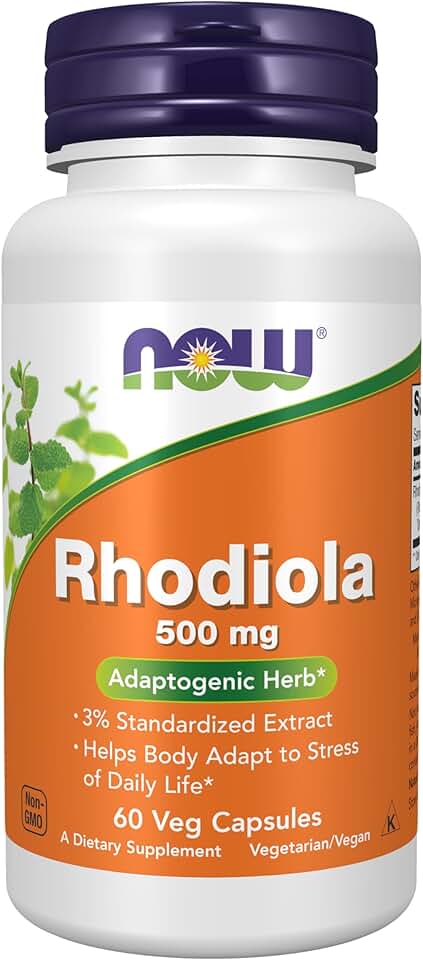
Helps body adapt to stress · Standardized to 3% Rosavins · 500 mg per serving
NOW Supplements offers a convenient and standardized Rhodiola capsule, formulated to help the body adapt to the daily stresses of modern life.

Supports energy and cognitive performance · Non-GMO Project Verified · Vegan and gluten-free
Nature's Way Premium Extract is a Non-GMO Project Verified option, delivering Rhodiola in a vegan and gluten-free capsule to support both energy levels and mental clarity.
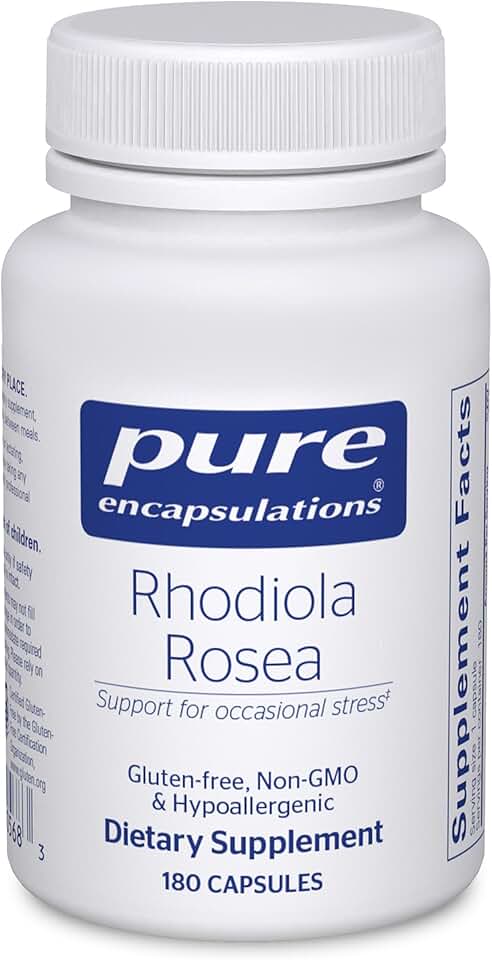
For occasional stress, endurance, and fatigue relief · Contains adaptogens · Gluten-free and vegan
Pure Encapsulations provides a high-quality, hypoallergenic Rhodiola supplement designed to combat occasional stress and fatigue while supporting endurance.
As an Amazon Associate I earn from qualifying purchases. Prices may vary.
Milky oats for nervous system recovery
Milky Oats (Avena sativa) are a gentle yet deeply nourishing herb for the nervous system. Unlike the rolled oats we eat for breakfast, Milky Oats are harvested while the seeds are still milky and soft, before they fully mature. This is when the plant’s medicinal properties are at their peak. They're incredibly useful for those experiencing depleted energy, anxiety, and insomnia – all too common in our current climate.
Milky Oats are remarkably adaptable and can grow in a range of conditions, including relatively poor soils. This makes them a good choice for gardeners with limited resources or challenging growing environments. Traditionally, Milky Oats are prepared as an infusion – a long, slow steeping process that extracts their nourishing compounds. The resulting liquid is pale and milky, hence the name.
I’ve found Milky Oats to be particularly helpful for people struggling with sleep disturbances related to stress and climate anxiety. They don’t have a strong, immediate effect, but rather work gently over time to restore nervous system balance. They are a wonderful herb to incorporate into a daily routine for overall well-being.
Yarrow for first aid
Yarrow (Achillea millefolium) is a true herbal ally, especially in times of crisis. Historically, it was used on battlefields to stop bleeding and prevent infection. Today, it remains a valuable first-aid herb for cuts, scrapes, and other wounds. With the increasing frequency of natural disasters, having Yarrow on hand feels more important than ever. It’s a plant that can literally help us mend.
Yarrow’s properties extend beyond wound healing. It also has anti-inflammatory, antimicrobial, and antipyretic (fever-reducing) effects. It’s incredibly resilient and can grow in disturbed soils, making it a common sight in fields, meadows, and along roadsides. It’s a plant that thrives even after disruption.
It’s crucial to remember that Yarrow is a powerful herb and should be used with respect and knowledge. While it’s generally safe for topical use, internal use should be approached with caution, especially if you have allergies to other plants in the Asteraceae family (like ragweed and chrysanthemums). Always consult with a qualified herbalist before using Yarrow internally.
Beyond the Standouts: Other Promising Adaptogens
While Ashwagandha, Holy Basil, Rhodiola, Milky Oats, and Yarrow are excellent choices for building climate resilience, they’re not the only herbs worth considering. Eleuthero (Siberian Ginseng) is another adaptogen with a long history of use in traditional medicine. It’s known for its ability to improve energy levels, enhance immune function, and protect against stress. Schisandra is a potent adaptogen that supports liver health, boosts mental clarity, and enhances physical endurance.
Astragalus (Astragalus membranaceus) is a root used in Traditional Chinese Medicine to boost the immune system and protect against illness. It’s also been shown to have antioxidant and anti-inflammatory properties. These herbs offer a broader spectrum of benefits and can be incorporated into a holistic approach to climate resilience.
It’s important to remember that herbalism is not a one-size-fits-all approach. Experimentation and observation are key. Pay attention to how different herbs affect you and adjust your approach accordingly. The plants are offering themselves to us, and it’s our job to listen.
Climate-Resilient Adaptogens for Extreme Weather
| Herb | Climate Resilience | Primary Benefit | Ease of Cultivation | Sourcing Concerns |
|---|---|---|---|---|
| Ashwagandha | Medium | Stress | Moderate | Moderate |
| Holy Basil (Tulsi) | Medium | Heat | Easy | No |
| Rhodiola | High | Endurance | Difficult | Yes |
| Milky Oats | Medium | Nervous System | Easy | No |
| Yarrow | High | First Aid | Easy | No |
| Eleuthero (Siberian Ginseng) | Medium | Endurance | Moderate | Moderate |
| Schisandra | High | Stress | Difficult | Yes |
| Astragalus | Medium | Immune Support | Moderate | Moderate |
Illustrative comparison based on the article research brief. Verify current pricing, limits, and product details in the official docs before relying on it.
No comments yet. Be the first to share your thoughts!