
A rising tide of distress
Mental health stats are grim. Since 2020, anxiety and depression rates have climbed, especially for young adults. The National Institute of Mental Health reported a 27% jump in anxiety and a 24% rise in depression diagnoses between 2019 and 2021. Those numbers haven't dropped much since.
Conventional treatments – therapy and pharmaceutical interventions – are often out of reach for many. Cost is a major barrier, as is access to qualified professionals, especially in rural areas. Even when available, medications can come with unwanted side effects that some people find difficult to tolerate. It’s understandable, then, that people are seeking complementary approaches.
Herbal tinctures are concentrated plant extracts used for a long time to help with mood. They aren't a replacement for a doctor or therapy. I see them as a side tool to discuss with your GP. They are one part of a larger approach, not a total fix.
I believe in empowering people to take an active role in their health. Exploring natural remedies, when done responsibly, can be a valuable step. However, self-treating serious conditions is never advisable. Always consult a healthcare professional before starting any new herbal regimen, especially if you are already taking medication.
How tinctures work
So, what exactly is a tincture? Simply put, it’s an alcohol-based extract of a plant. Herbs are steeped in alcohol – typically a grain alcohol like vodka or brandy – for several weeks, allowing the alcohol to draw out their medicinal compounds. This process creates a potent liquid that can be easily administered.
There are several benefits to using tinctures. Alcohol acts as a preservative, giving them a significantly longer shelf life than fresh herbs. It also enhances the bioavailability of certain plant compounds, meaning the body can absorb and utilize them more effectively. Different extraction methods exist, like maceration (cold steeping) and percolation (forcing alcohol through the herb), each yielding slightly different results.
Quality is paramount when it comes to tinctures. The potency and effectiveness depend heavily on the quality of the herb itself. Sourcing from reputable growers who practice sustainable harvesting methods is crucial. You want to ensure the plant hasn't been exposed to pesticides or other contaminants. A well-made tincture will maintain the integrity of the plant's beneficial properties.
7 tinctures for anxiety and depression
These seven tinctures show promise for mental health. Research is still coming in, and everyone reacts differently. Here is how they are used, what the science says, and what to watch out for.
Herbal Tincture Comparison for Anxiety and Depression
| Primary Benefit | Energetic Profile | Ease of Sourcing | Common Side Effects | Key Drug Interactions |
|---|---|---|---|---|
| Lavender | Cooling | Easy | Generally well-tolerated; may cause mild digestive upset. | May enhance sedative effects of other medications. |
| St. John's Wort | Warming | Moderate | Photosensitivity, digestive upset, fatigue. Can cause serotonin syndrome when combined with other serotonergic drugs. | Significant interactions with antidepressants, birth control, blood thinners, and immunosuppressants. |
| Chamomile | Cooling | Easy | Rare; potential for allergic reaction in those sensitive to ragweed. | May potentiate the effects of blood-thinning medications. |
| Lemon Balm | Cooling | Easy | Generally well-tolerated; may cause drowsiness. | Possible interaction with thyroid medications. |
| Ashwagandha | Warming | Moderate | May cause digestive upset, drowsiness, and rarely, liver problems. | May interact with immunosuppressants and thyroid medications. |
| Rhodiola Rosea | Neutral | Moderate | May cause dizziness, dry mouth, or insomnia. | Potential interactions with antidepressants and stimulants. |
| Passionflower | Cooling | Easy | May cause drowsiness or dizziness. | May enhance sedative effects of other medications. |
Illustrative comparison based on the article research brief. Verify current pricing, limits, and product details in the official docs before relying on it.
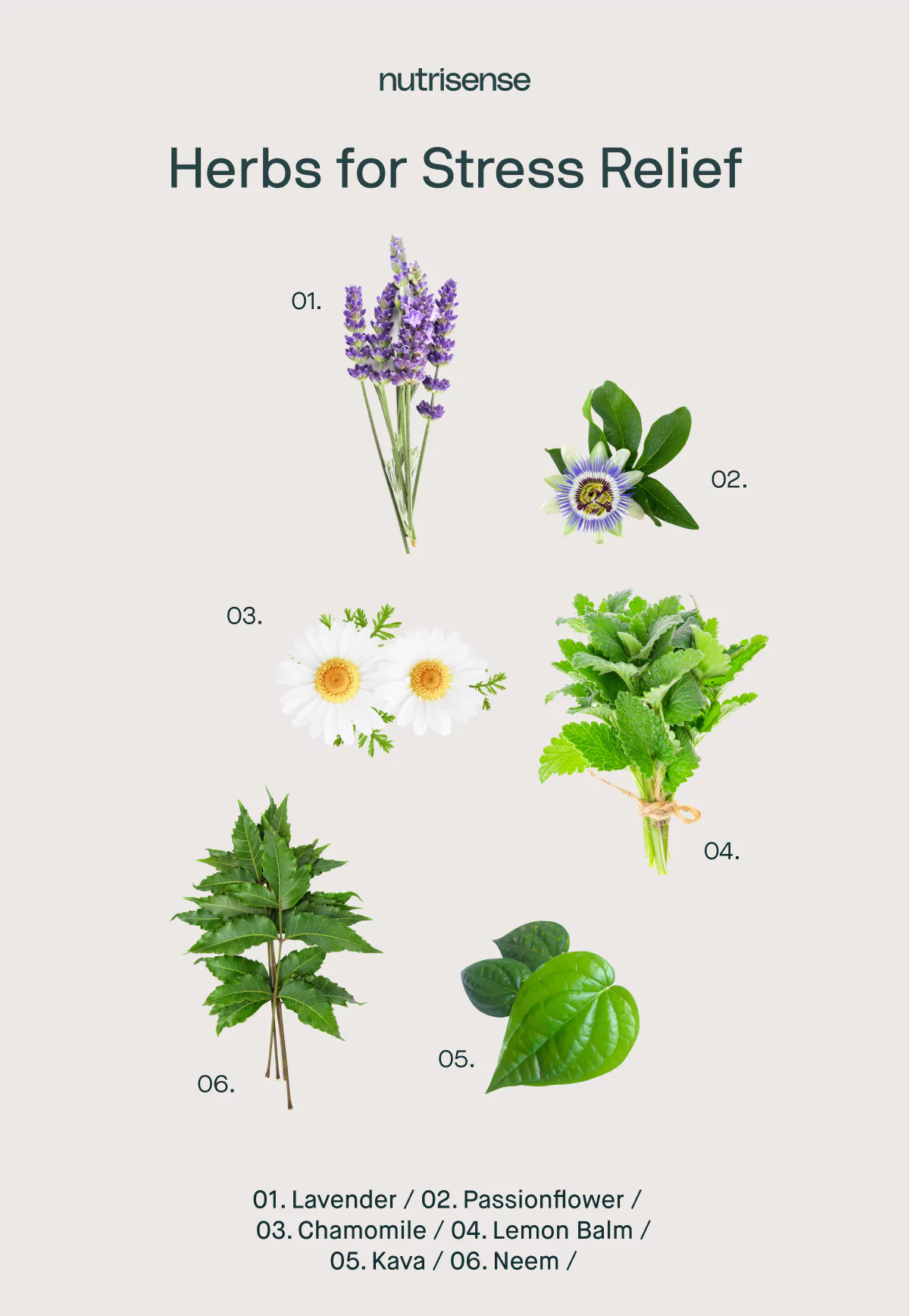
Lemon Balm
Lemon balm (Melissa officinalis) has a long history of use for calming nerves and relieving anxiety. Traditionally, it was used to promote sleep and ease digestive upset related to stress. Modern research, including a study published in Phytomedicine (2015), suggests lemon balm can reduce anxiety and improve cognitive performance under stress.
A typical dosage is 30-60 drops, three times daily. Start with the lower end of the range and see how you respond. Lemon balm is generally considered safe, but it can interact with thyroid medications, potentially increasing their effects. Avoid using lemon balm if you have hypothyroidism and are taking medication for it.
I've personally found lemon balm tea to be incredibly soothing during times of stress, and a tincture offers a more concentrated dose for when I need it. It’s a gentle herb, making it a good starting point for those new to herbal remedies.
Lavender
Lavender (Lavandula angustifolia) is renowned for its calming scent, but its benefits extend beyond aromatherapy. Traditionally used to promote relaxation and sleep, lavender has been shown in several studies – including research from the University of Southampton (2017) – to reduce anxiety symptoms.
A common dosage is 20-40 drops, twice daily. Lavender is generally well-tolerated, but some people may experience mild digestive upset. It can enhance the effects of sedative medications, so caution is advised if you are taking sleep aids or anti-anxiety drugs.
I often recommend lavender to clients struggling with insomnia. While the scent is wonderful, a tincture delivers a more direct and potent dose of its calming compounds.
Chamomile
Chamomile (Matricaria chamomilla) is perhaps best known as a soothing tea, but a chamomile tincture can be even more effective. It has a long history of use for relieving anxiety, promoting sleep, and easing digestive discomfort. Research published in the Journal of Alternative and Complementary Medicine (2016) supports its use for mild to moderate generalized anxiety disorder.
The typical dose is 30-60 drops, up to three times daily. Chamomile is generally safe, but people with allergies to ragweed, chrysanthemums, or marigolds should avoid it. It can also interact with blood thinners, so use with caution if you are on anticoagulant medication.
Chamomile is a gentle herb, making it suitable for all ages. I find it particularly helpful for children experiencing anxiety or sleep problems, but always consult with a pediatrician before giving it to a child.
Ashwagandha
Ashwagandha (Withania somnifera) is an adaptogenic herb widely used in Ayurvedic medicine. Adaptogens help the body resist stress and restore balance. Studies, including one published in JAMA Network Open (2021), have shown ashwagandha can reduce anxiety and cortisol levels.
A typical dosage is 30-60 drops, once or twice daily. Ashwagandha is generally considered safe, but it can interact with immunosuppressants and thyroid medications. Avoid using it if you are pregnant or breastfeeding. Some people may experience mild digestive upset.
I’ve seen ashwagandha be particularly helpful for people experiencing chronic stress and fatigue. It’s a powerful herb, so it’s important to start with a low dose and monitor your response carefully.
St. John’s Wort
St. John’s Wort (Hypericum perforatum) is a well-known herb for treating mild to moderate depression. It works by increasing levels of serotonin, dopamine, and norepinephrine in the brain. However, it is crucial to understand that St. John’s Wort has significant drug interactions.
The usual dosage is 30-60 drops, three times daily. Do not combine St. John’s Wort with antidepressant medications, as this can lead to serotonin syndrome, a potentially life-threatening condition. It also interacts with blood thinners, birth control pills, and many other medications. It's essential to discuss this herb with your doctor before use.
Because of the potential for serious interactions, I approach St. John’s Wort with extreme caution. It’s a powerful herb, but the risks often outweigh the benefits, especially for those already on medication. I generally recommend exploring other options first.
Rhodiola Rosea
Rhodiola Rosea is another adaptogenic herb, traditionally used in Russia and Scandinavia to improve resilience to stress and enhance cognitive function. Research suggests it can reduce symptoms of anxiety and depression, especially those related to chronic stress. A study in Nordic Journal of Psychiatry (2009) showed positive results in individuals experiencing mild to moderate depression.
A typical dosage is 20-40 drops, once or twice daily. Rhodiola is generally well-tolerated, but it can cause mild insomnia in some people. Avoid using it if you have bipolar disorder, as it may trigger mania.
I find Rhodiola particularly useful for people who need to perform under pressure. It can help improve focus and concentration while reducing feelings of stress and overwhelm.
Passionflower
Passionflower (Passiflora incarnata) has a long history of use as a calming and sleep-promoting herb. It's believed to increase levels of GABA, a neurotransmitter that helps regulate anxiety. Research, including a study in the Journal of Clinical Pharmacy and Therapeutics (2017), suggests it can be as effective as some anti-anxiety medications.
A common dosage is 30-60 drops, two to three times daily. Passionflower is generally safe, but it can cause drowsiness. Avoid using it if you are taking sedative medications. It's also not recommended during pregnancy.
I often combine passionflower with chamomile for a synergistic effect. It’s a gentle and effective herb for easing anxiety and promoting restful sleep.
Finding quality extracts
Finding high-quality tinctures is essential. Look for reputable online retailers like Mountain Rose Herbs or Starwest Botanicals. Supporting local herbalists is another excellent option – you can often visit their gardens and see how they grow and process their herbs. I've had great experiences with small, family-run herbal businesses.
When choosing a tincture, carefully examine the label. Check the alcohol percentage (typically 25-30% is ideal for extraction and preservation), the source of the herb (organic is preferable), and the extraction date (tinctures generally have a shelf life of 2-5 years). Be wary of vague labeling or unsubstantiated claims. If a product sounds too good to be true, it probably is.
Red flags include products that don’t list the alcohol content, don’t specify the plant part used (e.g., root, leaf, flower), or make claims about curing diseases. A trustworthy supplier will be transparent about their sourcing and processing methods.
Make your own chamomile tincture
Making your own tinctures can be a rewarding experience, allowing you to control the quality and potency of your remedies. It’s not for everyone, but it’s a skill worth learning if you’re interested in self-sufficiency. Let’s start with a simple chamomile tincture.
You’ll need: dried chamomile flowers, 80-proof vodka or brandy, a clean glass jar with a lid, and a fine-mesh strainer. Sanitize the jar and lid with hot water. Fill the jar about halfway with dried chamomile flowers. Pour alcohol over the flowers, ensuring they are completely submerged. Leave about an inch of headspace at the top of the jar.
Seal the jar tightly and shake well. Store the jar in a cool, dark place for 4-6 weeks, shaking it daily. After 4-6 weeks, strain the mixture through a fine-mesh strainer lined with cheesecloth. Squeeze the flowers to extract as much liquid as possible. Store the tincture in a dark glass bottle away from light and heat. Dosage is similar to a commercially prepared tincture: 30-60 drops, up to three times daily.
Beyond the Bottle: Lifestyle Support
Herbal tinctures are most effective when integrated into a holistic lifestyle. Diet plays a crucial role – focus on whole, unprocessed foods and limit sugar and caffeine. Regular exercise, even a 30-minute walk each day, can significantly reduce anxiety and improve mood. Prioritizing sleep is also essential – aim for 7-9 hours of quality sleep per night.
Mindfulness practices, such as meditation or deep breathing exercises, can help calm the nervous system and promote emotional regulation. Don’t hesitate to seek professional help if you’re struggling. Therapy can provide valuable tools and support for managing mental health challenges. Remember, this isn’t about finding a quick fix; it’s about cultivating long-term well-being.
I’ve found that even small changes in these areas can make a profound difference. It’s about creating a supportive environment for your mind and body to thrive.
No comments yet. Be the first to share your thoughts!