

City herbs: a new bloom
Cities are full of medicine if you know where to look. While most people think foraging belongs in the woods, the weeds growing in sidewalk cracks are often just as useful. We're finally noticing the plants that have been right outside our doors all along.
People are tired of relying on industrial supply chains for everything. I've seen a massive spike in people starting home apothecaries and actually learning to use the land they live on. It's about self-sufficiency and knowing exactly where your medicine comes from.
Cities aren’t barren concrete jungles. They are surprisingly fertile grounds for medicinal plants, often thriving in neglected spaces. Dandelions push through cracks in the pavement, plantain flourishes in disturbed soil, and other beneficial herbs find a way. However, it’s crucial to approach urban foraging with caution. Legal restrictions vary widely, and safety concerns regarding pollution and misidentification are real. We will address those concerns in detail.
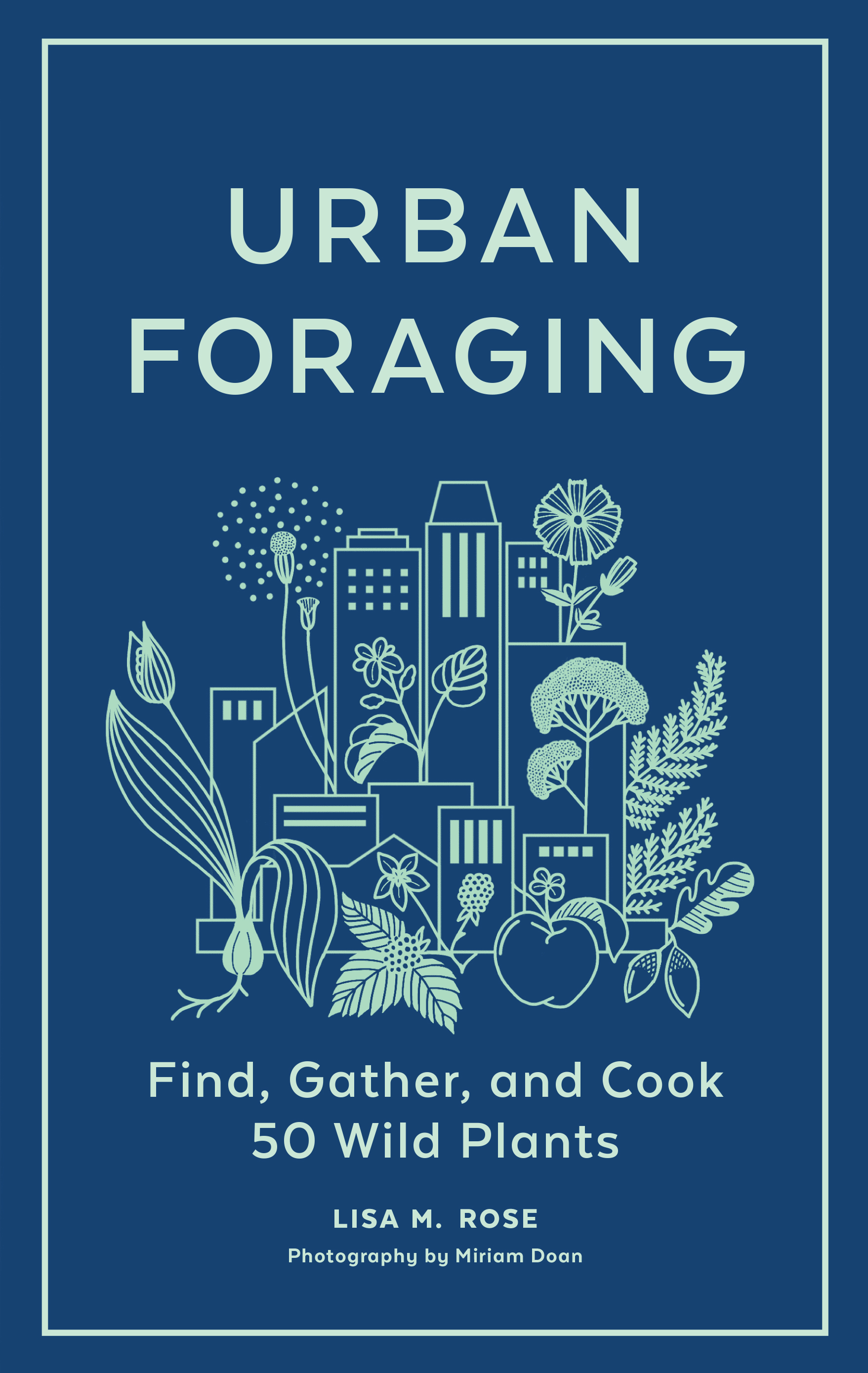
Amsterdam's urban herbology
Amsterdam stands out as a leading example of this urban herbalism movement. Urban Herbology offers a comprehensive range of courses, from apprenticeships to the 'Green City Witch Course,' which begins on February 17th, 2026. This isn’t simply about identifying plants; it's about cultivating a deep understanding of the urban ecosystem.
At the heart of their approach is the concept of the 'Stijltuin' – integrating herbalism directly into urban design. It’s about thoughtfully incorporating medicinal plants into the built environment, creating green spaces that benefit both people and pollinators. They also host 'Green City Witch Walks,' offering guided explorations of Amsterdam’s hidden herbal treasures, and 'Green Grimoire Making' events, encouraging participants to document their findings and build their own herbal knowledge.
What sets Urban Herbology apart is its holistic perspective. It’s not enough to find the plants; you must build a relationship with them, understand their needs, and appreciate their role in the larger urban landscape. This differs from rural foraging in that it requires a greater awareness of the human impact on the environment and a commitment to working with the city, not against it.
- Apprenticeship: In-depth training in all aspects of urban herbology.
- Green City Witch Course: Starts Feb 17, 2026, focusing on herbalism and urban ecology.
- Green City Witch Walks: Guided tours of Amsterdam’s medicinal plants.
- Green Grimoire Making: Workshops on documenting herbal knowledge.
Principles of Urban Herbology
- Positive Identification - Absolutely confirm the identity of any plant before consumption. Misidentification can have serious consequences. Utilize multiple field guides and cross-reference information.
- Habitat Assessment - Evaluate the growing environment for potential contaminants. Avoid harvesting near busy roads, industrial areas, or places with known pesticide use. Consider soil health and potential pollution sources.
- Respectful Harvesting - Only take what you need, and never more than 10-20% of a plant population. Leave enough for the plant to regenerate and for wildlife that may depend on it. Focus on abundance, not scarcity.
- Urban Ecosystem Awareness - Understand the interconnectedness of urban flora and fauna. Recognize how human activity impacts plant growth and distribution within the city. Consider the role of 'weed' species.
- Legal Considerations - Be aware of local laws and regulations regarding foraging on public and private land. Obtain permission when necessary, and respect property boundaries. Some parks may prohibit plant collection.
- Seasonal Awareness - Understand the plant’s life cycle and harvest at the optimal time for medicinal potency. Different plant parts are best collected at different stages of growth (leaves, flowers, roots).
- Integration & Education - Incorporate foraged herbs into your daily life through teas, tinctures, or culinary uses. Continuously expand your knowledge of herbalism and share your learnings responsibly.
Common city medicinal plants
Let's move beyond the idea of possibility and look at what you can actually find in many cities. Here are six common medicinal plants, along with their properties and potential look-alikes. Remember, positive identification is absolutely paramount before consuming any wild plant.
Dandelion (Taraxacum officinale): Easily recognized by its toothed leaves and bright yellow flowers. The entire plant is edible and medicinal – leaves for digestion, flowers for skin health, and roots for liver support. Look-alikes include catsear (Hypochaeris radicata), which has hairy leaves. Dandelions are generally safe, but avoid harvesting from areas treated with herbicides.
Plantain (Plantago major & Plantago lanceolata): Broadleaf and narrowleaf plantain are common weeds with distinctive ribbed leaves. They're excellent for drawing out splinters, soothing insect bites, and healing wounds. It's often found in compacted soil. There aren’t many dangerous look-alikes, but be certain you have a Plantago species.
Chickweed (Stellaria media): A low-growing, spreading herb with small, white flowers. It's a cooling herb, useful for inflammation and skin conditions. It prefers moist, shaded areas. Look-alikes include scarlet pimpernel, which has red flowers and can be mildly toxic.
Yarrow (Achillea millefolium): Recognizable by its feathery leaves and clusters of small, white or yellow flowers. Yarrow is a powerful wound healer, stopping bleeding and preventing infection. It is also traditionally used for fevers. Be cautious with yarrow if you have allergies to the Asteraceae family (ragweed, daisies, etc.).
Purslane (Portulaca oleracea): A succulent with reddish stems and small, oval leaves. It’s rich in omega-3 fatty acids and vitamins. Purslane thrives in disturbed soil and sunny locations. It doesn’t have many close look-alikes, but be sure it’s the fleshy, succulent variety.
Cleavers (Galium aparine): A sticky, clinging plant with whorls of leaves. The tiny hairs cover everything it touches! It's a lymphatic tonic, helping to detoxify the body. It’s commonly found in hedgerows and waste areas. Be sure you don't confuse it with similar-looking but potentially toxic vines.
How to harvest safely
Urban foraging requires a strong sense of responsibility. The principles of 'leave no trace' are essential – take only what you need, and avoid damaging the plant or its habitat. Never harvest more than one-third of a plant, and ensure it has the opportunity to regenerate.
Avoid foraging in areas that may be contaminated. Roadsides, industrial sites, and areas treated with pesticides or herbicides are all off-limits. Be mindful of dog and rodent activity, and avoid plants that have been urinated on or otherwise contaminated. Always wash your foraged plants thoroughly before use.
Don't just start pulling plants in public parks. Most cities have specific rules about harvesting, and you'll need permission for anything on private property. Check your local bylaws first so you don't end up with a fine.
Sustainable harvesting is key. Spread the impact of your harvesting across a wider area, rather than repeatedly taking from the same plant. This allows the population to recover and thrive. Consider the plant’s life cycle – avoid harvesting flowers if you want it to produce seeds.
Simple City Herb Preparations
Now that you know what to look for, let's put those herbs to use. Herbalism doesn’t have to be complex. Here are three simple preparations that are perfect for beginners.
Infused Oil: A wonderful way to extract the medicinal properties of herbs into a carrier oil for skin healing. Gently heat a carrier oil (olive, sunflower, almond) with dried herbs (like plantain or yarrow) in a double boiler for several hours. Strain and store in a dark glass jar. Use for salves, balms, or massage oils.
Herbal Tea: The simplest way to enjoy the benefits of many medicinal herbs. Steep 1-2 teaspoons of dried herb (dandelion leaf, chickweed) in hot water for 10-15 minutes. Strain and drink. Be mindful of dosage – some herbs are stronger than others.
Vinegar Infusion: A base for making tinctures. Combine dried herbs (cleavers, yarrow) with apple cider vinegar in a glass jar. Let it sit for 2-4 weeks, shaking occasionally. Strain and store in a dark glass bottle. Vinegar infusions are best used in small doses.
Herb & Preparation Matrix: Urban Foraging in 2026
| Herb | Preparation Method | Difficulty |
|---|---|---|
| Dandelion (Taraxacum officinale) | Infused Oil | Easy |
| Dandelion (Taraxacum officinale) | Tea | Easy |
| Plantain (Plantago major) | Infused Oil | Medium |
| Plantain (Plantago major) | Vinegar Infusion | Easy |
| Chickweed (Stellaria media) | Tea | Easy |
| Chickweed (Stellaria media) | Infused Oil | Medium |
| Cleavers (Galium aparine) | Vinegar Infusion | Medium |
| Yarrow (Achillea millefolium) | Tincture | Medium |
Illustrative comparison based on the article research brief. Verify current pricing, limits, and product details in the official docs before relying on it.
What's next for city foraging
The urban foraging movement is poised for continued growth. Will cities become more supportive of local foraging initiatives, perhaps designating specific areas for harvesting or offering educational programs? Will we see more 'guerrilla gardening' projects, transforming neglected spaces into edible landscapes?
Technology will undoubtedly play a larger role. Plant identification apps are becoming increasingly sophisticated, making it easier for beginners to identify herbs safely. Increased awareness of medicinal plants may also lead to greater conservation efforts, protecting urban biodiversity.
The upcoming start of the Urban Herbology course on March 21, 2026, is a clear indication of growing interest in this field. As more people reconnect with the natural world, urban foraging will likely become an increasingly important part of a more sustainable and resilient future.


No comments yet. Be the first to share your thoughts!