
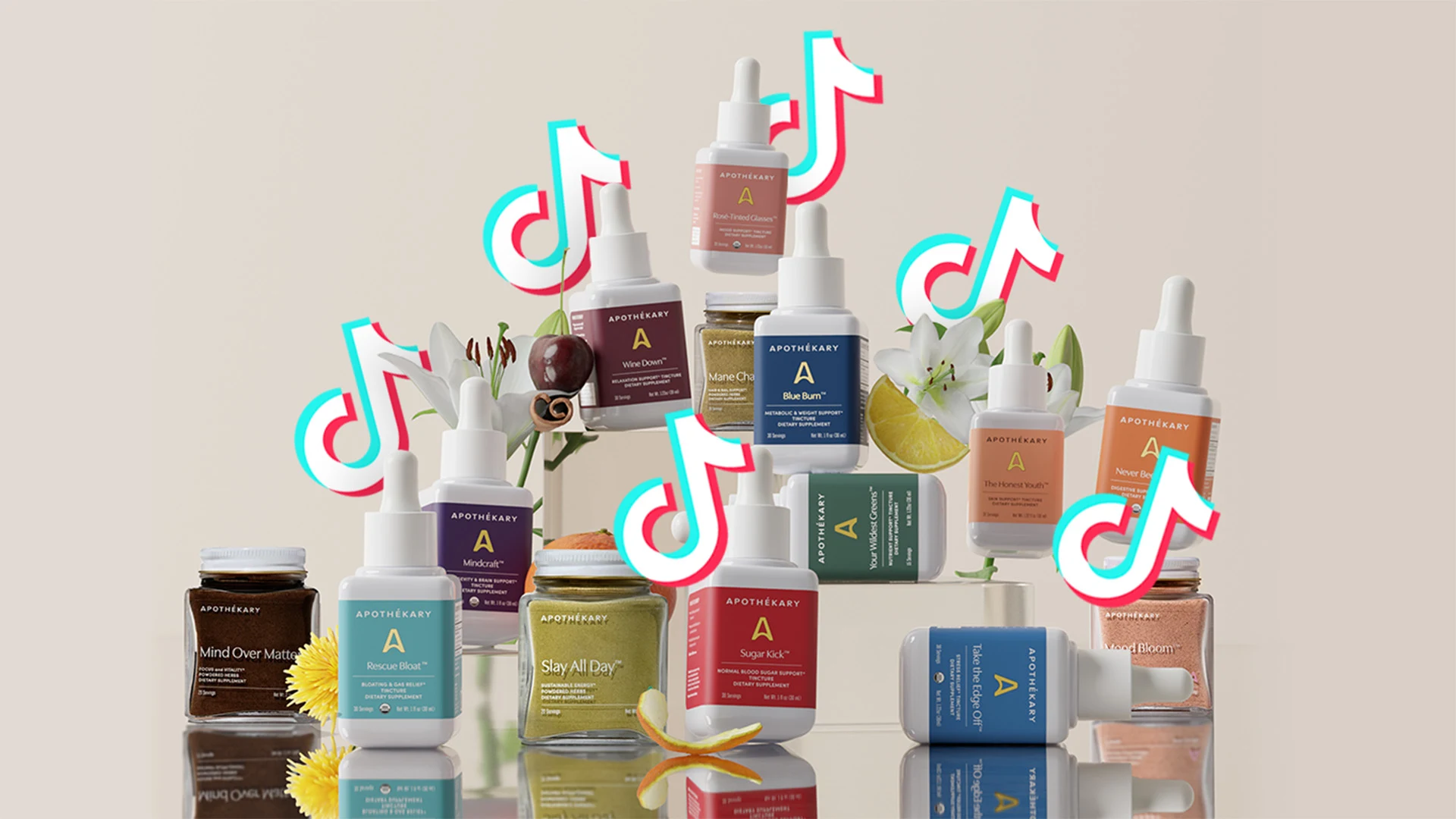
TikTok's herbal forecast for 2026
TikTok is flooded with herbal remedy videos. One minute you're seeing a potion for skin, the next it's a tincture for 'boundless energy.' While it's great that more people are looking into plants, the sheer volume of unverified claims is a mess. I've seen some genuinely dangerous advice sandwiched between harmless aesthetic videos.
Looking ahead to 2026, I expect to see a maturation of these trends. We’re past the initial surge of purely aesthetic "cottagecore’ herbalism, where it was all about the look of dried flowers and mason jars. Now, there"s a growing demand for genuine understanding – people are asking about why these herbs are supposed to work, and what the actual evidence is. This shift isn't just about aesthetics, it's about efficacy.
The sheer scale of the information flow means that reliable sources are more important than ever. We're seeing a move towards more nuanced discussions around dosage, potential interactions, and individual variability. Expect to see more creators collaborating with herbalists and medical professionals, and a greater emphasis on responsible herbalism. It's not enough to just say something is healing; people want to know how and why.
I think a key element of this maturation will be a wider acceptance of the fact that herbalism isn’t a quick fix. It’s a holistic practice that requires patience, observation, and a willingness to listen to your body. The instant gratification culture of TikTok sometimes clashes with the slower pace of herbal healing, but hopefully, we’ll see that gap narrow in the coming years.
The sleep stack surge
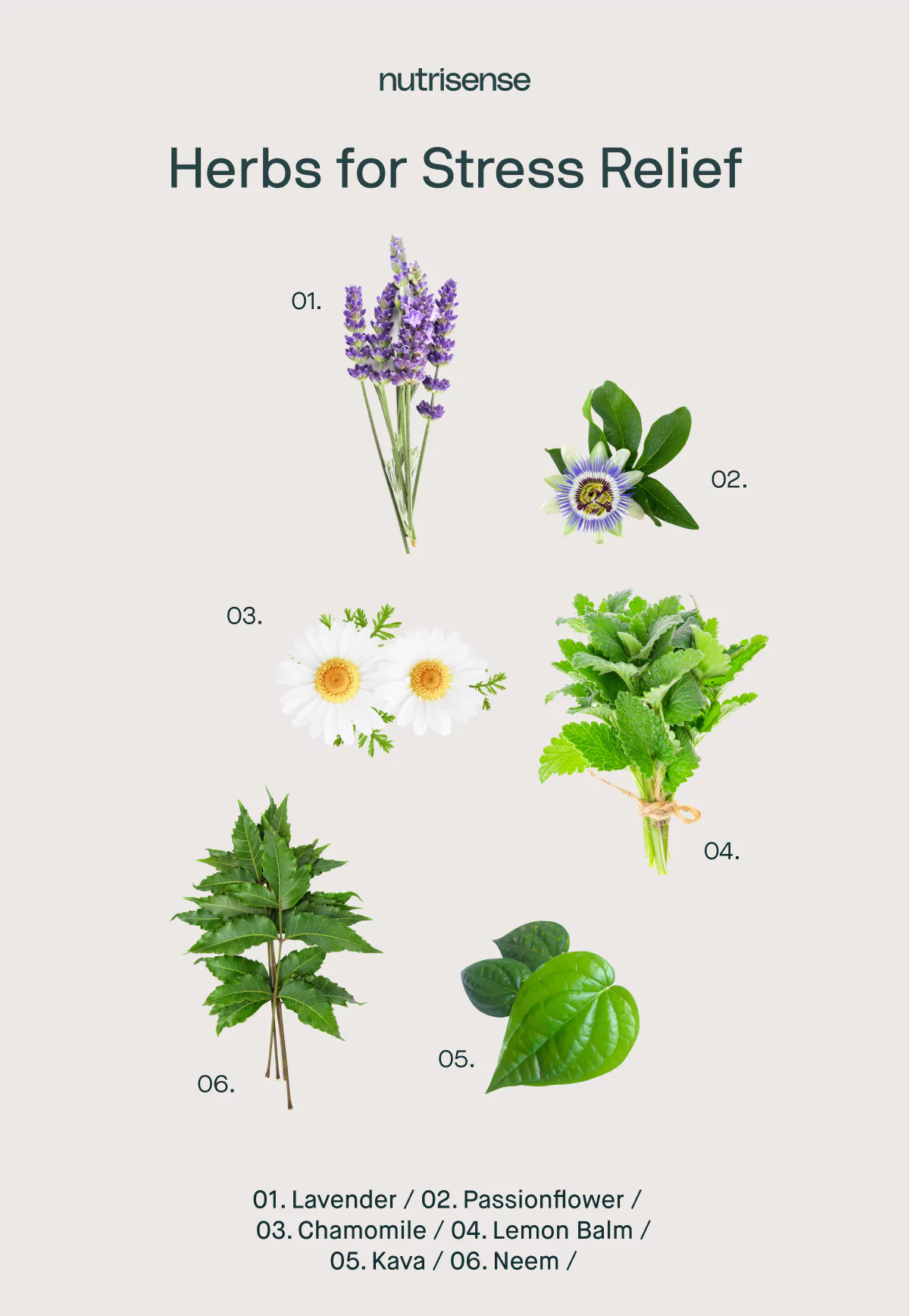
"Sleep stacks" – combinations of herbs marketed for improving sleep quality – have exploded in popularity on TikTok. Videos showcasing elaborate bedtime routines with multiple tinctures are getting millions of views. The core herbs consistently appearing in these stacks are California Poppy, Lemon Balm, Chamomile, and Valerian Root. It's a fascinating trend, but also one that requires a cautious approach.
California Poppy (Eschscholzia californica) is a gentle nervine, known for its calming effects and ability to ease restlessness. Lemon Balm (Melissa officinalis) is another nervine, often used to reduce anxiety and promote relaxation. Chamomile (Matricaria chamomilla) is a well-known relaxant, and Valerian Root (Valeriana officinalis) is a stronger sedative—though some people find it can have the opposite effect. The PMC article on antiviral natural products highlights the calming and nervine properties of many of these herbs, supporting their traditional uses.
However, individual responses to these herbs vary wildly. What works wonders for one person might do nothing for another, and in some cases, can even cause unwanted side effects. I’ve seen a lot of people mixing these without understanding the potential interactions. For example, Valerian Root can potentiate the effects of other sedatives, including alcohol, so caution is crucial. And while generally safe, some people experience paradoxical stimulation from Valerian.
- California Poppy is a mild nervine for restlessness.
- Lemon Balm: Reduces anxiety, promotes relaxation.
- Chamomile: Well-known relaxant.
- Valerian Root is a heavy hitter that can occasionally backfire and make you feel wired instead of sleepy.
Adaptogens and burnout culture
Adaptogens—Ashwagandha, Rhodiola, and Holy Basil being the most prominent on TikTok—continue to be incredibly popular. These herbs are marketed as a solution to the pervasive stress and burnout experienced by many, particularly younger generations. The appeal is understandable. The concept of an herb that helps the body "adapt" to stressors resonates deeply in a world that feels increasingly overwhelming.
These herbs target the HPA axis—your body's stress control center. They help manage cortisol, but they aren't magic. If your job is the reason you're burnt out, Ashwagandha won't fix your boss; it just helps your body handle the fallout.
I worry people are self-diagnosing and relying too heavily on these herbs, rather than addressing the root causes of their stress. There’s also the issue of quality control – the adaptogen market is rife with products of questionable purity and potency. And some adaptogens can interact with medications, so it’s crucial to talk to a healthcare professional before starting any new supplement regimen. Ashwagandha, for instance, can interact with thyroid medications.
Gut Health and Bitter Tinctures
The trend of using bitter tinctures to support digestion is steadily gaining traction. It's a return to a very old practice, but TikTok has given it new life. The principle is simple: bitters stimulate the production of digestive enzymes, improving gut function and nutrient absorption. It’s a foundational concept in traditional herbalism.
Popular herbs for bitter tinctures include Gentian, Dandelion Root, and Artichoke Leaf. Gentian is particularly potent, even a small dose is enough to stimulate digestion. Dandelion Root is milder and also supports liver function, while Artichoke Leaf aids in bile production. The taste, admittedly, is an acquired one—intensely bitter—which is why many people are incorporating them into mocktails or sparkling water.
I’ve noticed a lot of creators are making "digestif’ blends, combining bitters with other herbs and spices to create more palatable and complex flavors. It’s a clever way to make this ancient remedy more accessible. However, it"s important to start with a very small dose and gradually increase it as tolerated. Too much bitter can actually inhibit digestion.
Nervines for anxiety
There’s a growing interest in nervine herbs – plants that nourish and support the nervous system. Skullcap, Oatstraw, and Linden Flower are leading the charge on TikTok, often presented as natural alternatives for managing anxiety. It's a response to a real need; anxiety rates are high, and many people are seeking alternatives to conventional medications.
Skullcap (Scutellaria lateriflora) is a classic nervine, known for its ability to calm the mind and ease tension. Oatstraw (Avena sativa) is a gentle nourishing tonic for the nervous system, providing essential minerals and supporting overall resilience. Linden Flower (Tilia spp.) is a relaxing nervine that can help soothe frayed nerves and promote restful sleep. These herbs work subtly, over time, rather than offering an instant fix.
However, it’s crucial to acknowledge that anxiety is a complex issue and herbal remedies are not a replacement for professional mental health care. I think people are seeking natural alternatives, but it's important to be realistic about what these herbs can achieve. They can be a valuable part of a holistic approach to wellness, but they shouldn’t be seen as a cure-all.
DIY vs. Pre-Made: A Quality Divide
The question of whether to make your own tinctures or buy pre-made ones is a hot topic of debate on TikTok. DIY herbalism is appealing – it feels empowering and allows for greater control over ingredients. However, it also comes with significant risks if not done properly. The process requires careful attention to detail, accurate identification of herbs, and proper extraction techniques.
Pre-made tinctures, on the other hand, offer convenience and consistency. However, the quality can vary dramatically. It’s essential to choose reputable brands that source high-quality herbs and use standardized extraction methods. Look for tinctures that list the alcohol percentage and the herb-to-solvent ratio. I recommend brands like Mountain Rose Herbs and Herb Pharm, but always do your research.
I've seen some seriously questionable DIY attempts online. Misidentification of herbs is a major concern – some plants can be poisonous if ingested. Contamination is another risk, especially when foraging for wild herbs. Proper sanitation is essential to prevent bacterial or fungal growth. If you’re new to herbalism, I strongly recommend starting with pre-made tinctures from trusted sources.
DIY vs. Pre-Made Tinctures: A Qualitative Comparison
| Criteria | DIY Tinctures | Pre-Made Tinctures |
|---|---|---|
| Cost | Generally Lower | Generally Higher |
| Time Commitment | Significant - requires sourcing, preparation, and maceration time | Minimal - readily available for immediate use |
| Quality Control | Dependent on herb sourcing and preparation technique; potential for variability | Typically standardized; relies on manufacturer's quality control processes |
| Expertise Required | Moderate to High - understanding of herbal properties, safe extraction methods, and potential interactions is crucial | Low - product information usually provided; less personal knowledge needed |
| Safety | Higher risk of misidentification, improper dosage, or contamination if not carefully prepared | Lower risk, assuming reputable brand and proper labeling |
| Ingredient Sourcing | Full control over herb origin and quality | Reliance on manufacturer's sourcing practices |
| Customization | Better for tailored blends and specific needs | Limited to available product options |
Qualitative comparison based on the article research brief. Confirm current product details in the official docs before making implementation choices.
Do you trust herbal remedies as much as conventional medicine?
Vote below and share how you weigh herbal remedies alongside conventional care, especially when social media trends shape wellness conversations.
No comments yet. Be the first to share your thoughts!