

Smart gardens and AI in herbalism
Old Man Tiber, a retired carpenter in rural Vermont, used to spend hours meticulously tending his medicinal herb garden. This year, though, things were different. He’d invested in a "BloomAI’ system – a smart garden that monitors his plants and adjusts conditions automatically. He told me recently, with a chuckle, that he’s spending more time using the herbs than caring for them. That"s the promise of AI-powered herbal medicine in 2026: freeing up the herbalist to focus on the art of healing, rather than the labor of cultivation.
Herbalism, of course, isn’t new. Humans have relied on plants for healing for millennia – evidence suggests medicinal plant use dates back at least 60,000 years. What is new is the technology we’re bringing to bear on these ancient practices. It’s not about replacing traditional knowledge, but augmenting it. We’re not seeking to automate the herbalist out of existence, but to provide them with tools to grow healthier plants and create more effective remedies.
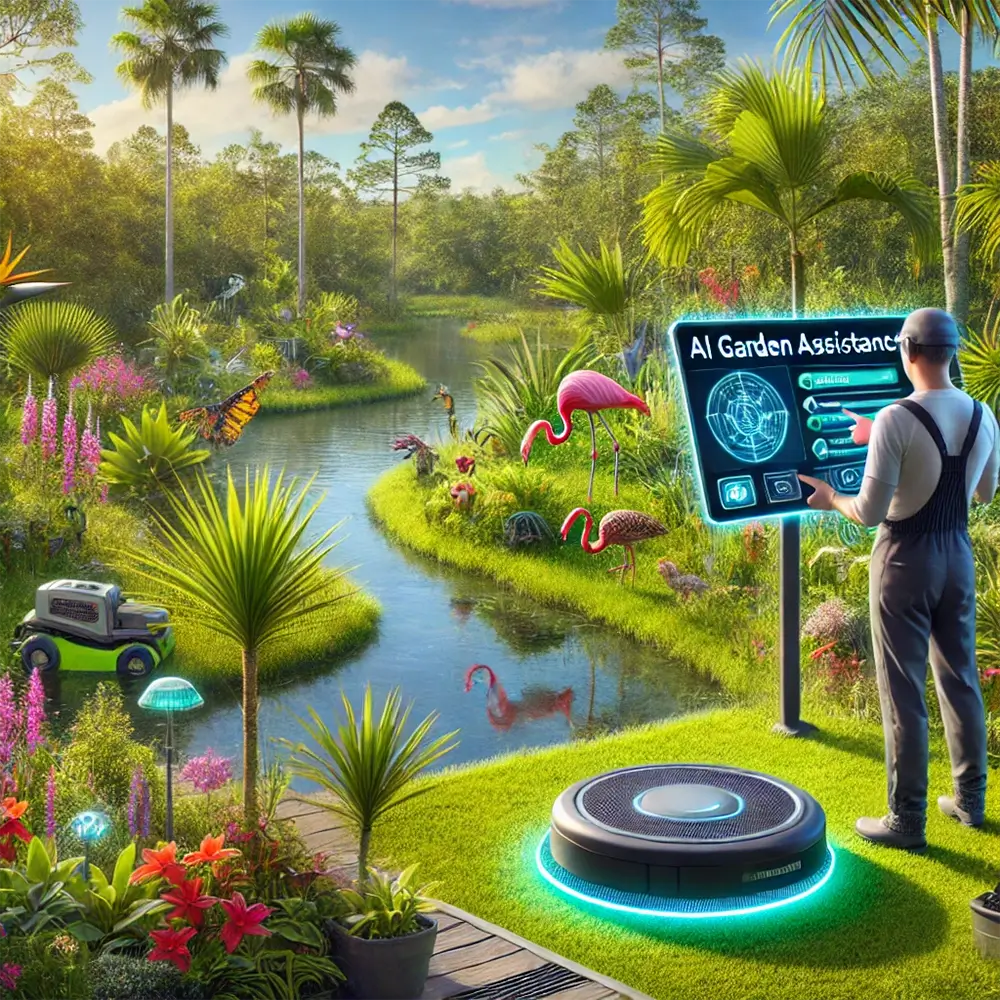
In 2026, we’re past the point of simple timers and automatic watering systems. True AI integration is beginning to take hold. We’re seeing systems that can analyze plant health in real-time, predict potential issues, and adjust growing conditions accordingly. But let’s be clear: we’re not talking about fully autonomous gardens. These systems still require human oversight, and the skill of an experienced herbalist remains essential. The technology is a powerful assistant, not a replacement.
Sensors and plant data
The core of these "smart’ gardens is a network of sensors. These aren"t just measuring basic things like soil moisture and temperature. Modern systems now incorporate sensors that analyze light spectrum, nutrient levels in the soil, and even subtle changes in plant physiology – things like stem diameter variation and chlorophyll fluorescence.
This data is then fed into AI algorithms, typically machine learning models, that can identify patterns and make predictions. A simple automated system might water plants when the soil moisture drops below a certain threshold. A true AI-driven system, however, learns from past data to anticipate water needs based on weather forecasts, plant growth stage, and other factors. It’s the difference between reaction and prediction.
It’s important to understand what these systems can’t do. They can’t diagnose diseases with 100% accuracy. They can’t replicate the nuanced understanding of a plant that comes from years of experience. They can provide valuable data and alerts, allowing the herbalist to intervene proactively. Systems like the FarmBot Genesis (released in 2023) demonstrate this capability, but still require human interpretation of the data provided.
- Soil Moisture Sensors: Measure water content in the soil.
- Light Sensors: Track light intensity and spectrum.
- Nutrient Sensors: Analyze levels of essential nutrients like nitrogen, phosphorus, and potassium.
- Temperature Sensors: Monitor air and soil temperature.
- Plant Stress Sensors: Detect subtle changes in plant physiology indicating stress.
Automated tincture creation
Automated tincture creation is moving beyond simply automating the stirring process. We're now seeing systems that incorporate analytical chemistry to optimize extraction. Companies like HerbAI are developing devices that analyze the chemical composition of plants in real-time and adjust extraction parameters – solvent ratios, temperature, and extraction time – to maximize the yield of desired compounds.
Personalized tinctures are a possibility. Imagine a system that integrates with your biometric data – heart rate variability, sleep patterns, even genetic predispositions – to create a tincture tailored to your specific needs. This is still largely theoretical, but the technology is rapidly advancing. For example, some systems now use ultrasonic extraction, which is more efficient and requires less solvent than traditional methods.
However, A A machine can tell you what compounds are present in a plant, but it can’t tell you how those compounds will interact with an individual’s unique constitution. The art of herbalism lies in understanding those subtle interactions, and that requires human judgment. The AI is a tool, and a powerful one, but it’s still just a tool.
Predictive herbalism
This is where things get really interesting, and admittedly, a bit speculative. AI can analyze massive datasets – historical weather patterns, plant growth cycles, patient outcomes – to predict optimal harvest times and ideal herbal combinations. The goal is to move beyond reactive herbalism (“treat the symptoms”) to proactive herbalism (“prevent the illness”).
Consider the example of Echinacea. An AI system could analyze weather data to predict a particularly potent growing season for Echinacea, and then recommend harvesting at a specific time to maximize its immune-boosting compounds. It could also analyze patient data to identify individuals who are particularly susceptible to colds and recommend a preventative Echinacea tincture.
The concept of "precision herbalism’ is gaining traction. This involves using data to target specific ailments with the most effective remedies. I"m not sure how far this will go, but the potential is there. The biggest challenge is the lack of standardized data – we need more rigorous research on the efficacy of herbal remedies to feed these AI algorithms.
Available smart garden systems
Several companies are already offering smart garden systems suitable for growing medicinal herbs. Rise Gardens, for example, offers a modular hydroponic system with automated lighting and watering. It retails for around $2,500 and is designed for indoor use. While not specifically geared towards herbalism, it provides a controlled environment ideal for growing many medicinal plants.
Click & Grow is another popular option, offering smaller, more affordable smart gardens starting around $100. They use pre-seeded plant pods, which simplifies the growing process, but limits your choice of herbs. AeroGarden also offers a range of hydroponic systems, with prices varying depending on size and features. These systems generally focus on convenience and ease of use.
For more advanced users, FarmBot Genesis (around $3,000) offers a fully automated, outdoor gardening solution. It can plant seeds, water, weed, and monitor plant health, but requires more technical expertise to set up and maintain. Remember, these systems aren't magic bullets. They require ongoing maintenance and a basic understanding of plant care. They’re tools to assist, not replace, the herbalist’s skill.
Smart Garden System Comparison: Supporting Herbal Medicine in 2026
| System Name | Herb Compatibility | Ease of Use | Data Insights | Scalability |
|---|---|---|---|---|
| Bloomify Pro | Excellent - Wide range of medicinal herb profiles pre-programmed. | Good - Intuitive app, automated nutrient delivery. | Detailed - Soil analysis, light spectrum optimization suggestions, growth stage tracking. | Good - Modular design allows for expansion, but can become complex. |
| HerbAI Garden | Good - Focus on common culinary & medicinal herbs, limited customization. | Excellent - Voice control, simplified interface, minimal setup. | Basic - Primarily monitors growth rate and water levels. | Poor - Limited expansion options, designed for small-scale use. |
| Root Intelligence | Better for specialized herbs - Allows for custom nutrient profiles and environmental controls. | Okay - Requires some horticultural knowledge for optimal setup. | Advanced - Predictive modeling for pest/disease risk, detailed environmental data logging. | Excellent - Highly scalable, integrates with larger greenhouse systems. |
| GreenFuture System | Okay - Best suited for beginner-friendly herbs like chamomile and mint. | Excellent - Very simple operation, pre-seeded pods available. | Limited - Basic growth monitoring, alerts for watering/feeding. | Okay - Expansion packs available, but can be costly. |
| TerraMind | Good - Strong support for root-based medicinal plants (ginger, ginseng). | Good - App-based control, automated scheduling. | Moderate - Provides recommendations based on historical data, but lacks predictive capabilities. | Good - Stackable design, suitable for medium-sized herb gardens. |
| AetherGrow | Excellent - Adaptable to a very broad range of herbs, including challenging species. | Okay - Steeper learning curve due to advanced customization options. | Comprehensive - Detailed environmental data, AI-powered growth optimization, potential for research data export. | Moderate - Scalability is limited by power requirements and space. |
Qualitative comparison based on the article research brief. Confirm current product details in the official docs before making implementation choices.
Data privacy and ethics
As these systems become more sophisticated, they collect more data – about our gardens, our health, and our preferences. This raises important ethical concerns about data privacy. Who owns this data? How is it being used? What safeguards are in place to prevent misuse?
Transparency is crucial. Users should have clear information about what data is being collected, how it’s being stored, and who has access to it. They should also have the ability to control their data – to opt out of data collection or to delete their data altogether. Companies need to prioritize data security and protect user privacy.
We need to think about the "herbalist’s oath" in the digital age. Traditionally, herbalists have been bound by a code of ethics that prioritizes patient confidentiality and responsible use of plants. That same ethical framework must be applied to the use of AI in herbal medicine. We must ensure that this technology is used to promote healing and well-being, not to exploit or harm.
How comfortable are you sharing data about your garden and health with AI-powered herbal systems?
As smart technology integrates with traditional herbalism, data privacy becomes a central conversation. Cast your vote below to share your perspective on this technological shift.
AI in herbal research
AI is also accelerating herbal research in exciting ways. Analyzing the complex chemical compounds in plants is a daunting task, but AI algorithms can help identify patterns and predict potential medicinal properties. Researchers at the University of Michigan, for example, are using AI to analyze the metabolome of various medicinal plants, identifying compounds with potential anti-cancer activity (as reported in Phytochemistry in 2025).
AI can also help predict drug interactions. Many herbal remedies can interact with conventional medications, and AI can analyze vast databases of drug interactions to identify potential risks. This is particularly important for patients who are taking multiple medications.
Ultimately, AI has the potential to unlock the secrets of traditional herbal remedies. By combining traditional knowledge with modern technology, we can gain a deeper understanding of the healing power of plants. This isn’t just about growing herbs; it’s about understanding them at a molecular level and harnessing their potential for the benefit of all.
Public Plant Data Sources
- NAPRALERT - A database of natural product research, including biological activity and chemical structures, maintained by the University of Illinois at Chicago. Access requires institutional affiliation in many cases.
- Dr. Duke's Phytochemical and Ethnobotanical Databases - Compiled by James A. Duke, this collection offers extensive information on plant constituents and traditional uses. It's a valuable resource for ethnobotanical research.
- Plants for a Future (PFAF) Database - Focuses on useful plants for temperate climates, detailing medicinal properties, edible uses, and cultivation details. Information is crowd-sourced and continually updated.
- ChemSpider - A chemical structure database providing access to data on millions of chemical compounds, including many found in plants. Useful for identifying specific phytochemicals.
- PubChem - Maintained by the National Institutes of Health, PubChem contains information on chemical structures, identifiers, and biological activities. It includes data relevant to plant-derived compounds.
- Global Biodiversity Information Facility (GBIF) - Provides occurrence data for plant species worldwide, which can be combined with chemical data to map the distribution of specific phytochemicals.
- USDA PLANTS Database - Offers comprehensive information on plants of the United States, including native status, distribution, and characteristics. While not solely focused on medicinal properties, it’s a foundational resource.


No comments yet. Be the first to share your thoughts!