

Herbs for Sleep: A Witch Doctor’s View
For generations, people have understood that a good night’s rest isn’t simply "being unconscious’; it’s a vital process of repair, dreaming, and connection. It"s a delicate dance of the nervous system, and herbs, when used thoughtfully, can support that dance.
Restful sleep often feels like a luxury today. Constant stimulation from technology, daily pressures, and information overload can make it hard to wind down. Many people are seeking alternatives to conventional sleep medications, which can have side effects and lead to dependency. Herbalism offers another approach.
Herbal remedies can be deeply effective. They may not be instant and require listening to your body, but their gentle, supportive approach can restore sleep patterns. This isn't about replacing medical advice, but about adding another tool to support well-being.
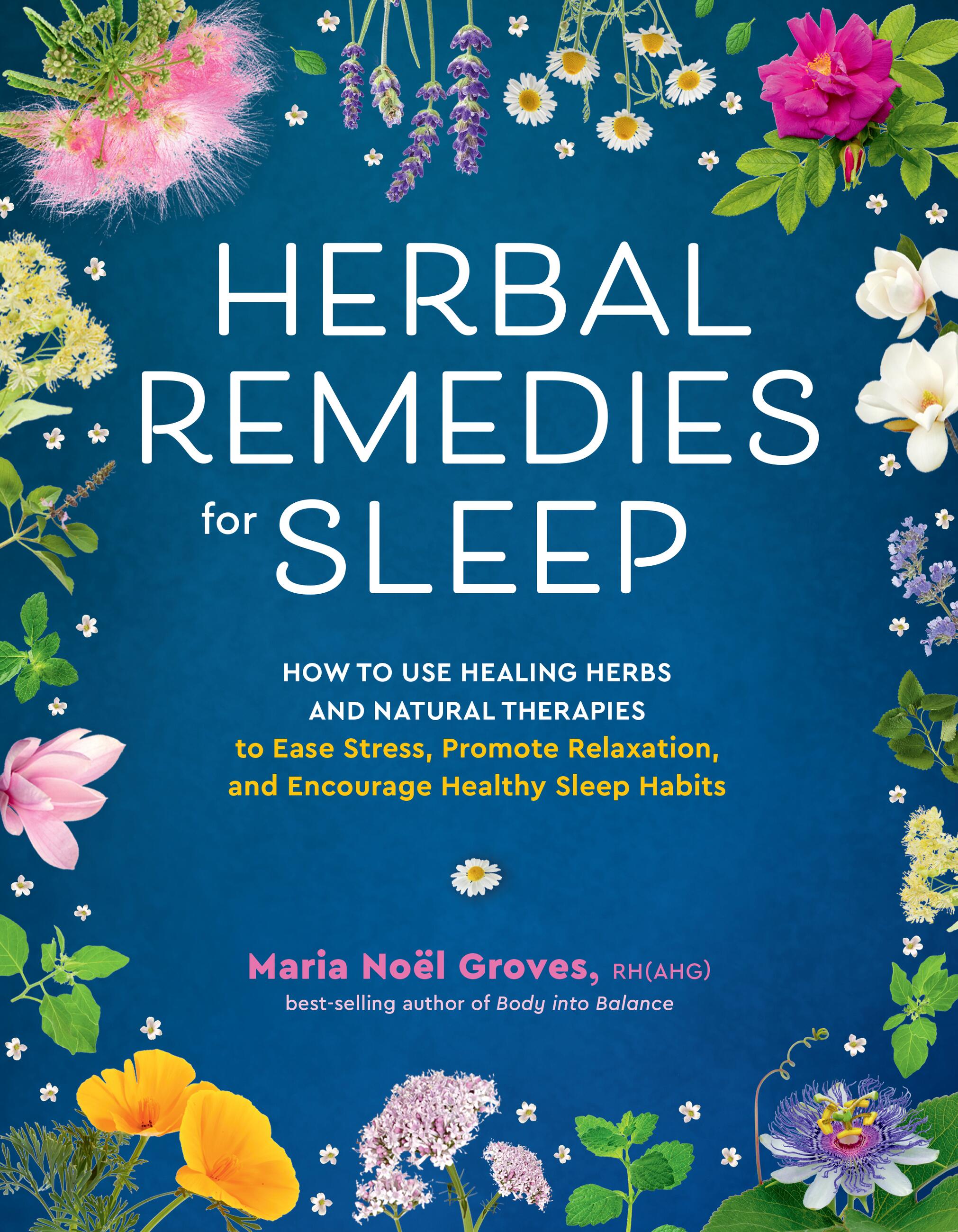
Chamomile: More Than Just a Tea
Chamomile (Matricaria chamomilla) is a common natural sleep aid. Its history includes use in ancient Egypt for fevers and other ailments. Modern science is beginning to understand its effectiveness.
Chamomile contains apigenin, an antioxidant that binds to GABA receptors in the brain. GABA is a neurotransmitter that calms the nervous system and reduces anxiety. By promoting GABA activity, chamomile can ease racing thoughts and prepare the body for sleep. A 2015 study in the Journal of Alternative and Complementary Medicine showed chamomile extract improved sleep quality in individuals with insomnia.
Chamomile can be enjoyed as tea, tinctures, or capsules. Tea strength varies with flower quality and brewing time. Tinctures offer a concentrated dose, and capsules provide a measured approach. A strong infusion can be made with about two tablespoons of dried flowers steeped in a quart of hot water for at least 20 minutes.
Lavender: Scent and Serenity
Lavender (Lavandula angustifolia) is known for its calming fragrance and traditional use in promoting relaxation and reducing anxiety. The scent is believed to affect the limbic system, which is involved in emotions, behavior, and memory.
Aromatherapy with lavender essential oil can induce sleep. Adding a few drops to a diffuser or applying a diluted solution to your temples or wrists can create calm. Oral preparations, like tinctures and capsules, are also used. A 2020 meta-analysis found oral lavender preparations reduced anxiety and improved sleep quality.
Be mindful of potential interactions. Lavender can enhance the effects of sedative medications, so consult a healthcare professional if you take sleep or anxiety medication. Some people may experience mild digestive upset from oral lavender preparations.
- Lavender Safety Checklist:
- Consult a healthcare professional if taking sedatives.
- Start with a low dose of oral preparations.
- Dilute essential oil before topical application.
Valerian Root: A Powerful, But Pungent, Ally
Valerian root (Valeriana officinalis) has a strong odor, often described as earthy or unpleasant. Despite its smell, this herb is effective for sleep. For centuries, valerian has been used as a natural remedy for insomnia and anxiety, and research confirms its effectiveness.
Valerian root influences GABA levels in the brain by increasing the amount of GABA available, rather than just binding to receptors. Studies show valerian can reduce sleep latency—the time it takes to fall asleep—and improve sleep quality. A 2019 review in the American Journal of Pharmaceutical Education found valerian to be a promising herbal treatment for insomnia.
A typical dose is 400-900mg of valerian root extract taken 30-60 minutes before bedtime. Some people may experience mild side effects, such as drowsiness or digestive upset. Valerian can provide significant relief for some, but it’s not a universal solution. Finding the right dose and being patient is important, as it may take several weeks to experience the full benefits.
Lemon Balm: Gentle Support for Rest
Lemon balm (Melissa officinalis), a member of the mint family, has a bright, citrusy scent and calming properties. It can be used alone to promote relaxation or combined with other herbs. It’s a gentle herb, suitable for those sensitive to stronger remedies.
Lemon balm is thought to increase GABA levels and has been shown to reduce anxiety and improve sleep quality in some studies. It is particularly helpful for sleep disturbances caused by stress or nervousness. A 2018 study in Phytotherapy Research found that a combination of valerian and lemon balm improved sleep quality in individuals with sleep disorders.
A simple sleep tea recipe: combine 1 teaspoon of dried chamomile flowers, 1 teaspoon of dried lemon balm, and 1/2 teaspoon of dried lavender. Steep in hot water for 10-15 minutes, then strain and enjoy before bedtime. This offers a gentle, aromatic way to prepare for rest.
Passionflower: A Traditional Remedy
Passionflower (Passiflora incarnata) has a history of use in traditional medicine for anxiety and insomnia. Native to North America, indigenous cultures used passionflower to promote relaxation and reduce nervousness. It is a climbing vine with intricate flowers, and its name reflects its calming properties.
Passionflower is believed to affect GABA levels in the brain, contributing to its calming effects. It may also increase serotonin levels, which play a role in mood regulation. Preliminary studies suggest that passionflower can improve sleep quality and reduce anxiety.
Passionflower is generally considered safe, but it can interact with certain medications, including blood thinners and sedatives. It’s also not recommended for pregnant or breastfeeding women. If you have a liver condition, it’s best to avoid passionflower altogether. Always discuss any new herbal remedies with your healthcare provider.
- Passionflower FAQ:
- Can I take passionflower with other medications? Discuss with your doctor.
- Is passionflower safe during pregnancy? No, it's not recommended.
- What are the potential side effects? Mild drowsiness or digestive upset.
Beyond Single Herbs: Synergistic Blends
The true art of herbalism lies in understanding how herbs work together. Synergy is the principle that the combined effect of multiple herbs is greater than the sum of their individual effects. Creating a well-balanced blend allows you to address the root causes of sleep disturbances more effectively.
For example, if anxiety is keeping you awake, a blend of chamomile, lavender, and lemon balm can be incredibly soothing. If you struggle to fall asleep, combining valerian root with passionflower can provide a gentle but powerful push towards slumber. And for those who experience restless sleep, a blend of chamomile, hops, and skullcap can help calm the nervous system and promote deeper, more restorative rest.
Here are a few blend recipes to get you started:
Anxiety-Induced Insomnia: 2 parts chamomile, 1 part lavender, 1 part lemon balm. (1 tsp chamomile, 1/2 tsp lavender, 1/2 tsp lemon balm)
Difficulty Falling Asleep: 2 parts valerian root, 1 part passionflower, 1 part chamomile. (1 tsp valerian, 1/2 tsp passionflower, 1/2 tsp chamomile)
Restless Sleep: 2 parts chamomile, 1 part hops, 1 part skullcap. (1 tsp chamomile, 1/2 tsp hops, 1/2 tsp skullcap)
Remember to steep these blends in hot water for 10-15 minutes before enjoying.
Safety and Considerations
While herbs are generally safe, it's crucial to approach them with respect and awareness. They are powerful substances, and they can interact with medications or exacerbate existing health conditions. It’s always best to consult with a qualified healthcare professional before starting any new herbal regimen, especially if you are pregnant, breastfeeding, or have a chronic health condition.
Be mindful of potential drug interactions. For example, valerian and chamomile can enhance the effects of sedative medications, while St. John’s Wort (not discussed here, but commonly used for mood) can interact with antidepressants. Always inform your doctor about any herbs you are taking.
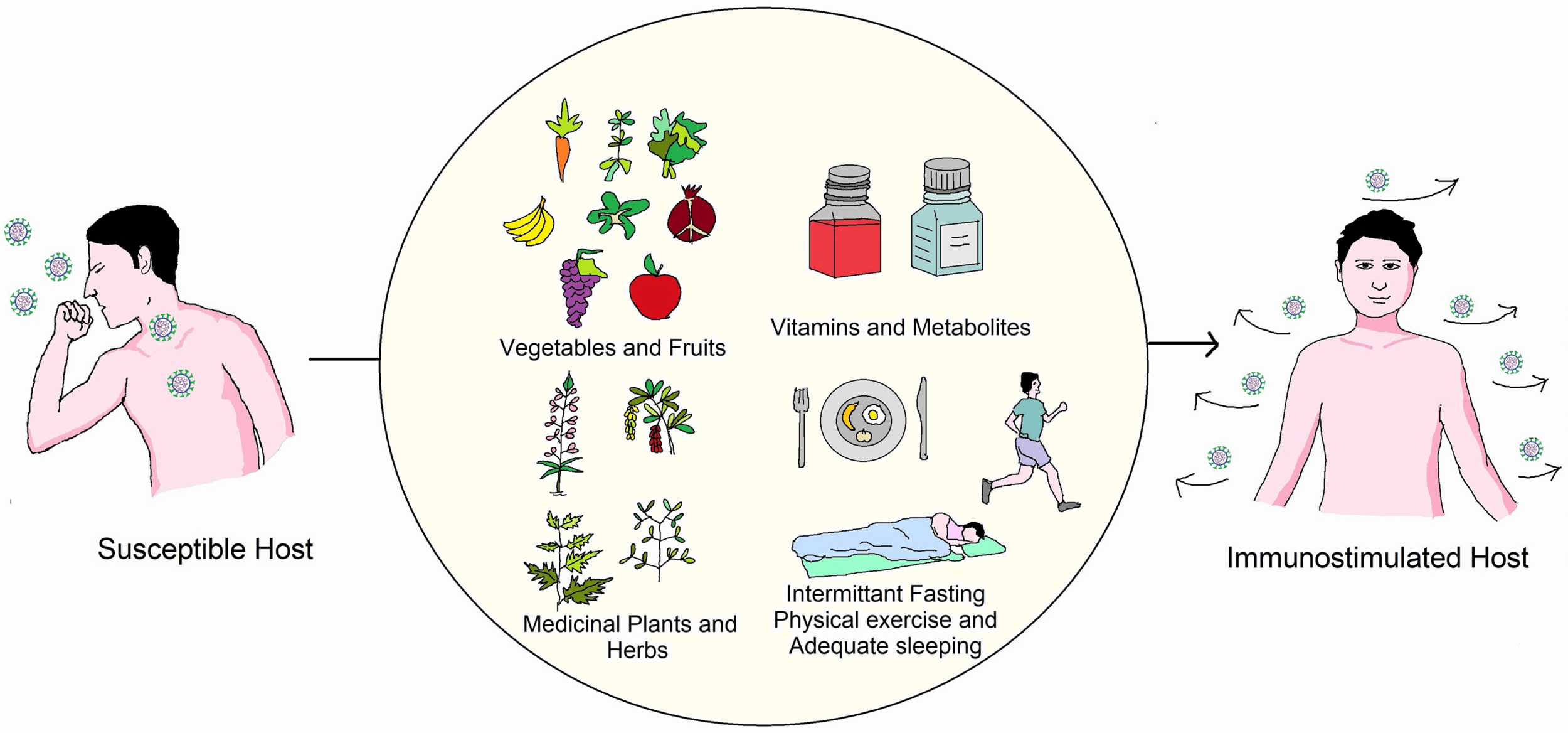
Herbs aren’t a quick fix. They work best when combined with healthy lifestyle habits, such as a regular sleep schedule, a balanced diet, and stress management techniques. The Veterans Affairs website () offers valuable resources on sleep hygiene and overall health. Remember, sleep is a complex process, and a holistic approach is essential for achieving restful, restorative nights.
Is This Herb Right For You?
| Herb Name | Potential Benefits | Potential Side Effects | Drug Interactions | Best For (Sleep Challenge) |
|---|---|---|---|---|
| Valerian Root | May reduce the time it takes to fall asleep and improve sleep quality. | Drowsiness, headache, upset stomach. Rare instances of liver issues have been reported. | May interact with sedatives, antihistamines, and alcohol. Consult a doctor if taking other medications. | Difficulty falling asleep, restlessness. |
| Chamomile | Mild sedative properties; may promote relaxation and reduce anxiety. | Generally well-tolerated, but can cause allergic reactions in those sensitive to ragweed, chrysanthemums, marigolds, or daisies. | May potentiate the effects of blood thinners and sedatives. | Stress-related insomnia, mild anxiety keeping you awake. |
| Lavender | Promotes relaxation and may improve sleep quality, especially when used in aromatherapy. | Generally safe, but topical use can cause skin irritation in some individuals. | Potential interactions with sedatives; use with caution if taking medications that cause drowsiness. | Anxiety-induced sleep disturbances, creating a relaxing bedtime routine. |
| Lemon Balm | May reduce anxiety and improve sleep, often combined with other herbs like valerian. | Generally well-tolerated; potential for mild drowsiness or increased appetite. | May interact with thyroid medications and sedatives. | Stress and anxiety contributing to insomnia, promoting calmness. |
| Passionflower | May increase levels of GABA in the brain, which promotes relaxation. | Drowsiness, dizziness, confusion. Avoid during pregnancy. | May interact with sedatives, blood thinners, and MAO inhibitors. | Overthinking and racing thoughts at bedtime. |
| Hops | Traditionally used for sleep; contains compounds with sedative properties. | Drowsiness, dizziness. May worsen depression. | May interact with sedatives and alcohol. | Difficulty staying asleep, promoting a sense of calm. |
Illustrative comparison based on the article research brief. Verify current pricing, limits, and product details in the official docs before relying on it.


No comments yet. Be the first to share your thoughts!