

Soothing Herbs: A Kitchen Pharmacy
Most of us experience some form of digestive discomfort at some point – bloating, gas, heartburn, the occasional upset stomach. While conventional medicine offers solutions, they often come with unwanted side effects or only address the symptoms, not the root cause. Herbalism offers a gentler, time-tested approach to supporting digestive health.
This isn’t about replacing your doctor, of course. It’s about empowering you with options, adding tools to your wellness toolkit. We’ll focus on herbs that are readily available, relatively easy to use, and have a long history of safe application. Think of it as building a little kitchen pharmacy for your gut.
The beauty of working with herbs is their holistic nature. They rarely address a single symptom in isolation; instead, they support the body’s natural healing processes. This is particularly important for digestion, where so many factors – stress, diet, lifestyle – can play a role.

Ginger: The Fiery Digestive Friend
Ginger (Zingiber officinale) is a powerhouse when it comes to digestive support. The magic lies in its active compounds, gingerols and shogaols, which have potent anti-inflammatory and antioxidant properties. These compounds help reduce nausea, ease bloating, and stimulate gastric emptying – meaning food moves through your digestive system more efficiently.
Ginger’s use in traditional medicine spans centuries. It’s been a cornerstone of both Traditional Chinese Medicine and Ayurvedic medicine for thousands of years, used to treat everything from motion sickness to indigestion. Modern research supports these traditional uses, with studies demonstrating ginger's effectiveness against chemotherapy-induced nausea and vomiting (Ernst & Pittler, 2000).
However, ginger isn’t a universal remedy. It can interact with certain medications, particularly blood thinners, and may not be suitable for people with gallstones. It's also quite warming, so those with excessive heat or heartburn might want to use it cautiously. A small amount goes a long way – about one gram of fresh ginger per day is a good starting point.
- Ginger Tea: Steep 1-2 teaspoons of grated fresh ginger in hot water for 10-15 minutes.
- Ginger Chews: A convenient way to soothe nausea, especially during travel.
- Ginger in Cooking: Add grated ginger to stir-fries, soups, or smoothies.
Peppermint & Fennel: Calming Gas and Bloat
Peppermint (Mentha × piperita) and fennel (Foeniculum vulgare) are often paired together because they address similar digestive woes: gas, bloating, and indigestion. Peppermint contains menthol, which relaxes the smooth muscles of the digestive tract, relieving spasms and allowing gas to pass more easily. It's particularly helpful for Irritable Bowel Syndrome (IBS), though it’s important to note that it can worsen heartburn in some individuals.
Fennel, with its licorice-like flavor, boasts carminative properties – meaning it helps dispel gas from the digestive system. It also contains anethole, which has anti-inflammatory and antispasmodic effects. Chewing fennel seeds after a meal is a traditional remedy in many cultures.
You can enjoy these herbs as teas, tinctures, or even essential oils. However, be extremely cautious with essential oils. They are highly concentrated and should only be used under the guidance of a qualified aromatherapist. Never ingest essential oils directly. A few drops diluted in a carrier oil can be rubbed on the abdomen for relief.
Chamomile: Soothing Inflammation
Chamomile (Matricaria chamomilla) is renowned for its calming and anti-inflammatory properties. It can soothe an irritated gut, reduce cramping, and promote relaxation – a crucial component of healthy digestion, as stress often exacerbates digestive issues. It's a gentle herb, making it suitable for people of all ages.
There are two main types of chamomile: German and Roman. German chamomile (Matricaria recutita) contains higher levels of azulene, a compound known for its potent anti-inflammatory effects. I've found it slightly more effective for addressing gut inflammation. Roman chamomile (Chamaemelum nobile) has a more delicate flavor and is lovely for promoting relaxation and sleep.
A warm cup of chamomile tea before bed can do wonders for both your digestion and your nervous system. It’s a simple, effective way to wind down and prepare for a restful night.
- Step 1: Steep 1-2 tablespoons of dried chamomile flowers in hot water for 5-10 minutes.
- Step 2: Strain the tea and add a touch of honey if desired.
- Step 3: Sip slowly and enjoy the calming effects.
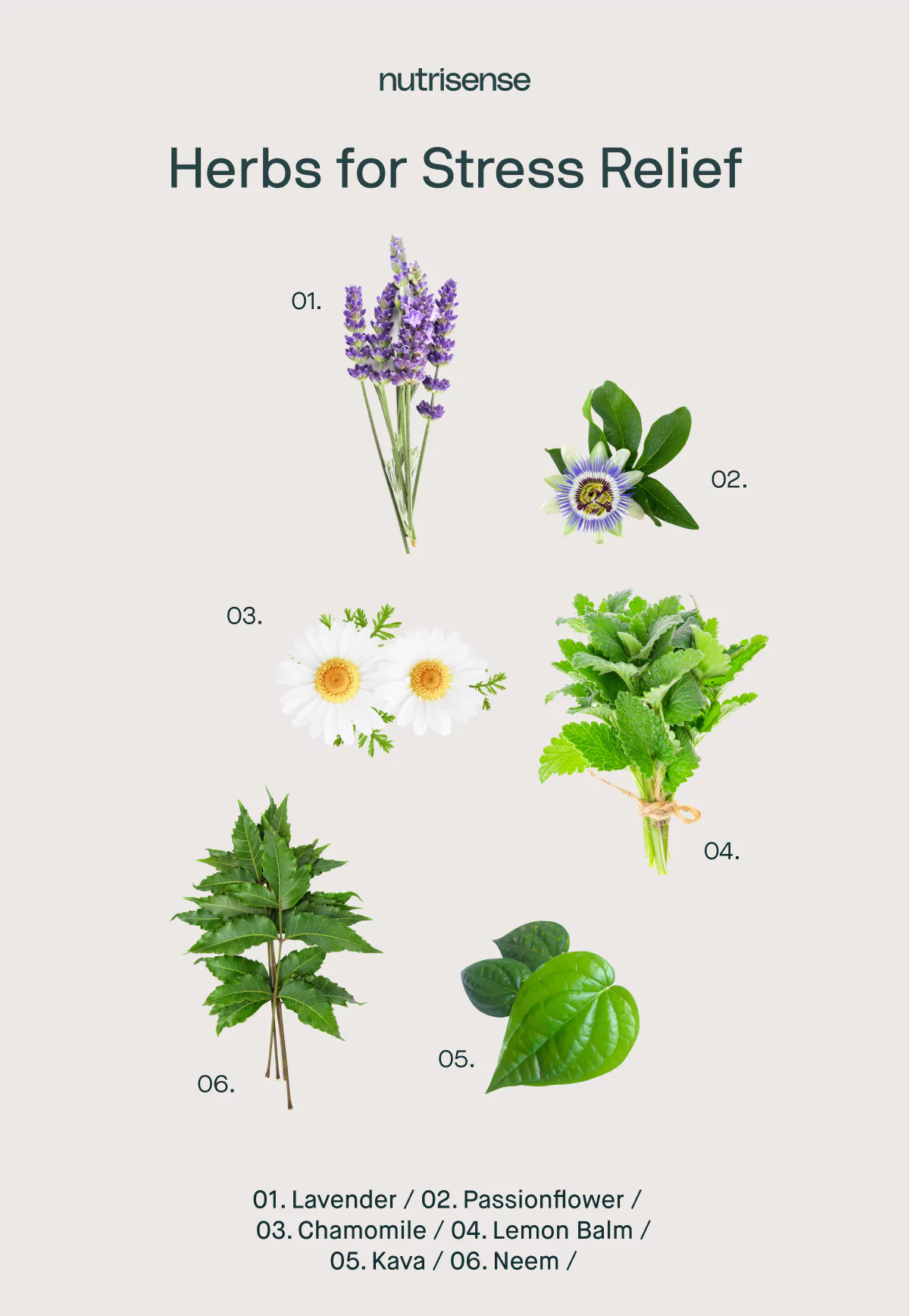
Lemon Balm: Stress & Digestion Connection
Lemon balm (Melissa officinalis) is often overlooked, but it’s a valuable ally for digestive health, particularly when stress is a contributing factor. Stress significantly impacts digestion, slowing down the process and leading to discomfort. Lemon balm has calming properties that help soothe the nervous system, indirectly improving gut function.
Beyond its calming effects, lemon balm also possesses antiviral properties, which may be beneficial for people with Irritable Bowel Syndrome (IBS) triggered by viral infections. It's a gentle herb, well-tolerated by most people, and can be easily incorporated into a daily routine. It’s not a quick fix, but a supportive herb for long-term wellness.
Lemon balm is frequently combined with other calming herbs, like chamomile, to create synergistic blends for stress relief and digestive support.
Dandelion Root: A Bitter Boost
Dandelion root (Taraxacum officinale) is a bit of a rebel – it’s a bitter herb, and we’ve been conditioned to avoid bitterness in our diets. But bitters are incredibly beneficial for digestion. They stimulate digestive secretions – saliva, stomach acid, bile – which are essential for breaking down food and absorbing nutrients.
Dandelion root also supports liver health, which is crucial for digestion. The liver produces bile, which emulsifies fats, making them easier to digest. A healthy liver is a happy digestive system. It's often used in traditional medicine to cleanse and detoxify the liver.
When sourcing dandelion root, choose organic and sustainably harvested options. Avoid picking dandelions from areas that may have been treated with pesticides or herbicides. Roasted dandelion root can be brewed into a coffee-like beverage, or taken as a tincture.
Recipes for Daily Digestive Support
Now, let’s put these herbs to work. These recipes are designed to be simple and accessible, easily integrated into your daily routine. Remember to start small and listen to your body – everyone reacts differently to herbs.
Soothing Ginger-Lemon Tea: Combine 1 inch of grated fresh ginger, the juice of half a lemon, and 1 tablespoon of honey in a mug. Top with hot water and steep for 5-10 minutes. This is fantastic for nausea or an upset stomach.
Calming Chamomile & Fennel Infusion: Blend 1 tablespoon of dried chamomile flowers and 1 teaspoon of fennel seeds. Steep in hot water for 10-15 minutes. Strain and enjoy before bed. This is wonderful for bloating and gas.
Dandelion Root & Ginger Soup: Sauté 1 cup of chopped vegetables (carrots, celery, onion) with 1 teaspoon of grated ginger. Add 4 cups of vegetable broth and 1 tablespoon of roasted dandelion root powder. Simmer for 20-25 minutes. Blend until smooth. This is a nourishing and supportive meal for overall digestive health.
Digestive Health Kit Essentials
- Ginger Root - Known for its carminative properties, aiding in reducing gas and bloating. Can be used in teas, or as a spice in food.
- Peppermint Leaf - Relaxes the muscles of the digestive tract, easing spasms and indigestion. Best consumed as a tea after meals.
- Chamomile Flowers - Soothes inflammation and reduces stress, both of which can contribute to digestive upset. Commonly used as a calming bedtime tea.
- Fennel Seeds - Traditionally used to relieve bloating and gas. Can be chewed directly, or brewed into a tea.
- Dandelion Root - A gentle bitter herb that stimulates digestion and bile production. Often roasted and used as a coffee substitute.
- Marshmallow Root - Contains mucilage, which coats and soothes the digestive tract, helpful for conditions like heartburn and ulcers. Best prepared as a cold infusion.
- Mortar and Pestle - Essential for crushing and grinding herbs to release their medicinal compounds, especially for making custom blends.
- Glass Storage Jars - Amber or dark glass jars are ideal for preserving the potency of dried herbs, protecting them from light and air. Ensure jars are airtight.
When to Seek Professional Help
It’s vital to remember that herbal remedies are not a substitute for medical care. While these herbs can be incredibly supportive, they are not a cure-all. If you experience severe abdominal pain, persistent diarrhea, unexplained weight loss, blood in your stool, or any other concerning symptoms, please consult a doctor immediately.
Always discuss any herbal remedies you are considering with your healthcare professional, especially if you are taking medication. Herbs can interact with certain drugs, and it’s important to ensure there are no contraindications. Your health is the priority, and a collaborative approach between herbalism and conventional medicine is often the most effective.


No comments yet. Be the first to share your thoughts!