
Kitchen medicine roots
I remember the first time I truly understood the power of plants. It wasn't in a classroom, but in my grandmother’s kitchen, watching her simmer elderberries into a deep purple syrup each fall. She swore it kept the winter colds at bay, and honestly, growing up, it seemed to work. That early experience sparked a lifelong fascination with herbalism, and eventually led me to explore the art of making tinctures.
A tincture is an alcohol-based plant extract. Alcohol pulls out the medicinal compounds, leaving you with a concentrated liquid that lasts for years. It is a reliable way to use herbs for immune support without needing to brew fresh tea every day.
Making your own tinctures is surprisingly accessible. You don't need a fancy laboratory, just a few basic supplies and a willingness to learn. However, it’s important to be clear: tinctures are not a substitute for conventional medical care. They are a complementary approach to wellness, and should be used responsibly, alongside advice from a qualified healthcare professional.
The history of herbalism is long and complex, evolving alongside human societies. While often romanticized, it’s a practice built on observation, experimentation, and a deep connection to the natural world. Early records from ancient Egypt, China, and Greece all detail the use of herbal remedies, many of which involved extracting plant compounds in ways very similar to tincture making. It's important to approach this history with respect, acknowledging both the wisdom and the potential for misunderstanding.
Herbs for the immune system
Herbal medicine isn't a magic bullet. It works by supporting your existing defenses. These are the specific plants I keep in my cabinet, though there are dozens of others to choose from.
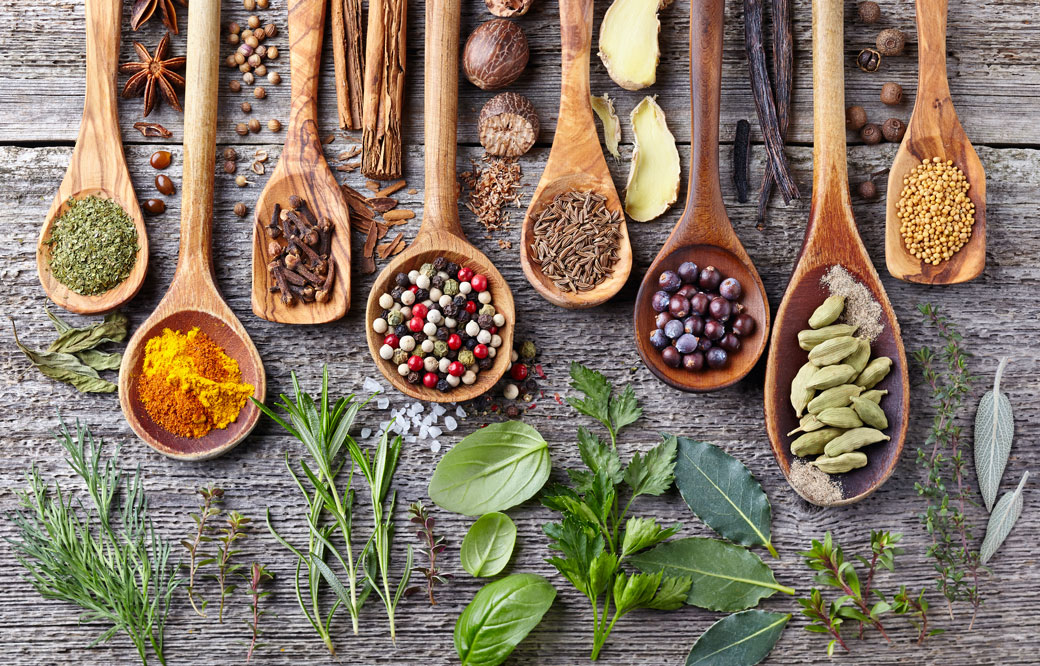
Elderberry (Sambucus nigra) is perhaps the most popular immune herb, and for good reason. Its berries are packed with antioxidants called anthocyanins, which have demonstrated antiviral properties in laboratory studies. A 2019 meta-analysis published in Complementary Therapies in Medicine showed elderberry supplementation reduced the duration and severity of cold and flu symptoms (Zakay-Rones et al., 2019). However, it’s important to only use cooked elderberries, as raw berries can be toxic.
Echinacea (various species) has a long history of use by Native American tribes for treating infections. It's believed to stimulate the immune system by increasing the production of white blood cells. While research is mixed, some studies suggest it can shorten the duration of colds. Ethical sourcing is crucial with Echinacea, as overharvesting is a concern.
Ginger (Zingiber officinale) isn’t just a flavorful spice; it’s also a powerful anti-inflammatory and immune booster. Compounds like gingerol have been shown to have antiviral and antibacterial effects. It's also fantastic for soothing digestive upset, which can often accompany illness. I often add a bit of fresh ginger to my winter tinctures for a warming effect.
Garlic (Allium sativum) is a culinary staple with impressive medicinal properties. Allicin, the compound responsible for garlic’s pungent smell, has potent antimicrobial effects. Studies have indicated that garlic supplementation may reduce the frequency and duration of colds, though more research is needed. You can even use garlic-infused oil as a base for your tinctures.
Astragalus (Astragalus membranaceus) is a staple in Traditional Chinese Medicine, used for centuries to strengthen the immune system and increase vitality. It’s believed to work by increasing the activity of natural killer cells. However, astragalus can interact with immunosuppressant medications, so caution is advised. Rosemary (Salvia rosmarinus) is a fragrant herb that’s rich in antioxidants and anti-inflammatory compounds. It’s traditionally used to improve circulation and support cognitive function, but it also has immune-boosting properties. Yarrow (Achillea millefolium) is a powerful herb traditionally used to stop bleeding and fight infection. It’s a bit more potent, so it’s best used in smaller amounts and with caution.
- Buy from sustainable suppliers like Mountain Rose Herbs or Frontier Co-op to avoid overharvested wild plants.
- Stick to organic herbs to keep pesticides out of your concentrated extract.
- Proper Identification: Be absolutely certain you’ve correctly identified the herb before using it. If you’re foraging, consult with an experienced herbalist.
Herbal Profiles for Immune Support Tinctures
| Herb Name | Key Immune Properties | Traditional Uses | Potential Contraindications | Sourcing Considerations |
|---|---|---|---|---|
| Echinacea ( *Echinacea purpurea* ) | Stimulates immune cell activity, possesses antiviral properties. | Historically used by Native American tribes for wound healing and infections; commonly used for colds and flu. | May cause allergic reactions in individuals with allergies to the Asteraceae/Compositae family (ragweed, marigolds, daisies). Avoid with autoimmune diseases without consulting a healthcare professional. | Look for organically grown Echinacea root and flower to avoid pesticide residues. Sustainably wildcrafted options are also available, ensuring responsible harvesting. |
| Elderberry ( *Sambucus nigra* ) | Rich in antioxidants (anthocyanins), exhibits antiviral activity, supports respiratory health. | Traditional remedy for influenza and upper respiratory infections. Used for centuries in European folk medicine. | Unripe or uncooked elderberries can cause nausea, vomiting, and diarrhea. Avoid use during autoimmune flares. May interact with immunosuppressant medications. | Choose organically grown berries or flowers. Ensure berries are properly prepared (cooked) before making a tincture. |
| Ginger ( *Zingiber officinale* ) | Anti-inflammatory, antioxidant, supports circulation, may have antiviral effects. | Used in Traditional Chinese Medicine and Ayurveda for digestive issues and immune support. Traditionally used for colds and nausea. | May interact with blood-thinning medications. Use cautiously if you have a bleeding disorder or are taking anticoagulants. | Opt for organic ginger root. Fresh ginger is potent, but dried ginger can also be used. |
| Astragalus ( *Astragalus membranaceus* ) | Adaptogenic herb, supports immune function, may enhance white blood cell production. | Used in Traditional Chinese Medicine to strengthen the body's resistance to illness and promote longevity. | Contraindicated during acute infections. Avoid if you have autoimmune diseases or are taking immunosuppressant drugs. May cause mild digestive upset. | Source from reputable suppliers to ensure proper species identification ( *Astragalus membranaceus* is preferred). Organic certification is recommended. |
| Garlic ( *Allium sativum* ) | Contains allicin, a compound with antibacterial, antiviral, and antifungal properties. Boosts immune cell function. | Historically used for a wide range of ailments, including infections and cardiovascular health. | May interact with blood-thinning medications. Can cause digestive upset or allergic reactions in some individuals. | Choose organic garlic bulbs. Fresh garlic is most potent, but dried garlic powder can be used in tinctures. |
| Rose Hips ( *Rosa canina* ) | High in Vitamin C, a potent antioxidant that supports immune function. Contains flavonoids with anti-inflammatory properties. | Traditionally used to prevent and treat colds, flu, and scurvy. | May cause mild digestive upset in some individuals. Avoid large doses if you have kidney problems. | Source from organic rose hip berries. Wildcrafted options are available, but ensure they are harvested from areas free of pollution. |
Illustrative comparison based on the article research brief. Verify current pricing, limits, and product details in the official docs before relying on it.
Choosing your alcohol
Alcohol is the solvent and the preservative. It pulls the medicine out of the plant and keeps bacteria from growing, which is why these extracts stay shelf-stable for so long.
Vodka (40% ABV) is a popular choice due to its neutral flavor and relatively low cost. It’s readily available and works well for most herbs. Brandy offers a slightly sweeter flavor and is often used for tinctures containing fruits or delicate flowers. Rum can add a unique flavor profile, particularly for tropical herbs. Grain alcohol (190 proof) is the strongest option, providing the most efficient extraction, but it requires careful handling and dilution.
The higher the alcohol content, the more effective it is at extracting certain compounds. However, it’s a balancing act. Too much alcohol can be harsh, while too little may not adequately preserve the tincture. Glycerin can be used as an alcohol-free alternative, but it’s less effective at extracting certain compounds and results in a shorter shelf life. Glycerin tinctures also tend to be thicker and sweeter.
How to make the extract
Making a tincture is a fairly straightforward process, but attention to detail is key. Sanitation is paramount to prevent contamination. Start by gathering your herbs – either from your garden, a trusted supplier, or ethically foraged sources. Ensure they are dry, as moisture can promote mold growth.
Next, chop or grind the herbs to increase their surface area, allowing for better extraction. Place the herbs in a clean glass jar. A good starting ratio is 1:5 – one part herb to five parts alcohol. For example, 1 ounce of dried herb to 5 ounces of alcohol. Pour the alcohol over the herbs, ensuring they are completely submerged.
Seal the jar tightly and store it in a cool, dark place for 4-6 weeks. Shake the jar daily to help with extraction. Some herbalists recommend placing the jar in a warm water bath for a few hours each day to accelerate the process. After the maceration period, strain the tincture through a fine-mesh sieve or cheesecloth, squeezing out as much liquid as possible from the herbs.
Finally, bottle the tincture in dark glass bottles to protect it from light. Label the bottle with the herb name, alcohol content, and date. Proper sanitation of all equipment is crucial throughout the entire process to prevent mold or bacterial growth. Consider sterilizing your jars and utensils with boiling water before use.
Dosing and shelf life
Dosage is a complex topic, and it’s always best to start low and go slow. A typical dose for a strong tincture is 15-30 drops, 3-5 times a day. However, this can vary depending on the herb, the individual, and the desired effect. It’s generally recommended to calculate dosage based on body weight, but this requires a deeper understanding of herbal energetics.
Proper storage is essential for maintaining the potency and safety of your tinctures. Store them in dark glass bottles in a cool, dark place, away from direct sunlight and heat. A pantry or cupboard is ideal. When stored properly, tinctures can have a shelf life of 2-5 years, though their potency may gradually decline over time.
It is crucial to consult with a healthcare professional before using tinctures, especially if you are pregnant, breastfeeding, taking medications, or have any underlying health conditions. Herbal tinctures can interact with certain medications and may not be suitable for everyone. This information is not intended to be a substitute for professional medical advice.
Recipes to Boost Your Defenses
Here are a few recipes to get you started. Remember to adjust dosages based on your individual needs and always listen to your body. These are tools to support your health, not miracle cures.
Elderberry & Ginger Tincture for Cold & Flu: 1 ounce dried elderberries, 1/2 ounce dried ginger root, 5 ounces vodka (40% ABV). Combine ingredients in a jar, macerate for 4-6 weeks, strain, and bottle. Use for boosting immunity during cold and flu season.
Echinacea & Yarrow Tincture for Infection: 1 ounce dried echinacea root, 1/2 ounce dried yarrow flowers, 5 ounces brandy. Macerate, strain, and bottle. Use at the first sign of infection.
Broad Spectrum Immune Tincture: 1/2 ounce dried elderberries, 1/2 ounce dried echinacea root, 1/4 ounce dried ginger root, 1/4 ounce dried astragalus root, 5 ounces vodka (40% ABV). This combination aims to provide a comprehensive immune boost. Macerate, strain, and bottle.
When things go wrong
Even with careful planning, things can sometimes go wrong. Mold growth is a common concern, usually caused by insufficient alcohol content or moisture in the herbs. If you see mold, discard the entire batch. Weak extraction can occur if the herbs aren't properly chopped or if the maceration time is too short. Try using a warmer temperature or extending the maceration period.
An unpleasant taste can be masked by adding a small amount of honey or maple syrup to the tincture. Improper storage can lead to spoilage. Always store tinctures in dark glass bottles in a cool, dark place. If a tincture develops an unusual odor or appearance, discard it. It's better to be safe than sorry.
If you notice any sediment in your tincture, it’s usually harmless and can be filtered out. However, if the sediment is excessive or accompanied by other signs of spoilage, it’s best to discard the tincture. Remember, prevention is key. Careful sanitation and proper storage can minimize the risk of problems.
No comments yet. Be the first to share your thoughts!