

Weathering the Shift: Herbs for 2026
We’re seeing more extreme weather, and it’s taking a toll. Heat waves, droughts, intense storms – these aren’t future predictions, they’re our current reality. This instability isn’t just disruptive to our lives; it’s profoundly stressful on our bodies. The nervous system gets overloaded, sleep suffers, and that constant low-level anxiety becomes the new normal. Herbalism offers a way to proactively meet these challenges, to build resilience from the ground up.
I believe we need to shift our thinking about herbs. They aren’t simply remedies for after we’re sick or stressed; they’re tools for bolstering our ability to cope with stress in the first place. This is where the concept of "climate-resilient herbalism" comes in – selecting plants that not only thrive in changing conditions, but also support our own adaptation. It's about finding allies that can help us navigate a more unpredictable world.
The term "adaptogen’ gets thrown around a lot, and while useful, it’s important to understand its limitations. These plants aren’t magic bullets. They don’t instantly erase the effects of chronic stress or environmental toxins. What they can do is help modulate our stress response, supporting the body’s natural ability to maintain balance. I think it’s crucial to approach herbalism with realistic expectations, understanding that it"s one piece of a larger puzzle.
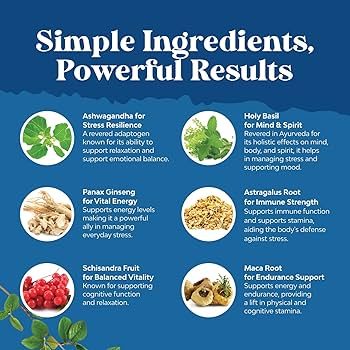
How to choose your adaptogens
Adaptogens, at their core, are plants that help the body respond to stress, rather than resisting it directly. This isn’t about forcing a specific outcome, but about enhancing the body’s inherent ability to adapt. It's a subtle but important distinction. Think of it like training a muscle – you don’t just lift heavier weights, you help the muscle become more capable of handling stress over time.
When choosing herbs, consider your individual constitution. What kind of stress are you facing most often? Are you dealing with intense heat, chronic dryness, or emotional overwhelm? Someone prone to overheating might benefit from cooling herbs, while someone who’s always cold might need warming ones. There’s no one-size-fits-all answer. It’s a process of experimentation and observation.
It’s also worth acknowledging that "adaptogen’ is as much a marketing term as it is a scientific one. Many plants possess adaptogenic qualities, but the label often gets applied to those that are trendy or commercially viable. Don"t get caught up in the hype. Focus on understanding the specific properties of each herb and how they relate to your individual needs.
- Check if your stress feels hot, cold, or dry.
- Assess your constitution: Are you generally hot or cold, dry or damp?
- Don’t rely solely on labels: Research the specific properties of each herb.
Schisandra and astragalus for energy
Schisandra and astragalus are my go-to choices for broad resilience. Schisandra, the "five-flavor berry," supports energy levels and skin health when things get hectic. I've seen it help people who feel completely depleted.
Astragalus root is a cornerstone of Traditional Chinese Medicine, highly regarded for its immune-boosting properties. It’s been traditionally used for centuries to build resilience and protect against illness. It's not just about preventing a cold; it’s about strengthening the body's overall defensive capabilities. Using it preventatively, as a tonic, can be incredibly beneficial.
However, Astragalus isn’t for everyone. It’s considered a warming herb, so it may not be the best choice for people who tend to overheat easily. It can also interact with certain medications, particularly immunosuppressants, so it’s essential to consult with a healthcare professional before use. I always recommend starting with a low dose and observing how your body responds.
The combination of Schisandra and Astragalus can be quite powerful. Schisandra helps support the adrenal glands, which are often depleted by chronic stress, while Astragalus bolsters the immune system. Together, they can create a synergistic effect, helping the body adapt more effectively to a wide range of stressors.
Cold-Hardy Heroes: Perennial Resilience
Growing cold-hardy herbs is a smart move as winters get weirder. Perennials come back every year and don't need much maintenance. They are reliable medicine that stays in the ground through the frost.
Yarrow is a fantastic choice. It’s incredibly resilient, grows readily in a variety of conditions, and has a long history of use as a wound healer and fever reducer. Echinacea is another powerhouse, known for its immune-stimulating properties. Lemon Balm is a calming herb that can help ease anxiety and promote restful sleep – a welcome benefit during stressful times.
Other excellent options include peppermint, thyme, and oregano. These herbs not only provide medicinal benefits but also add flavor to your cooking. Growing your own medicine connects you to the land and gives you a greater sense of self-sufficiency. It’s a powerful act of resilience in itself.
Consider the microclimates in your garden. Some areas might be more sheltered from the wind or receive more sunlight. Utilize these variations to create a diverse and thriving herbal ecosystem. Mulching heavily in the fall will also help protect the roots of your perennial herbs during the winter months.
- Yarrow works well for wound healing and reducing fevers.
- Echinacea: Immune stimulation
- Lemon Balm: Calming, promotes sleep
Featured Products

Includes 39 varieties of heirloom, non-GMO apothecary seeds. · Suitable for herbal medicine and tea gardens. · Made in the USA.
This extensive kit offers a wide array of resilient herbs perfect for establishing an adaptogenic garden capable of withstanding environmental stressors.

USDA Certified Organic seeds for 10 different herbs. · Suitable for indoor or outdoor planting. · Unique gift idea for gardeners and plant lovers.
This starter kit provides a curated selection of organic, resilient herbs ideal for beginning your adaptogenic garden, even in less-than-ideal conditions.
Includes 39 varieties of heirloom, non-GMO apothecary seeds. · Suitable for herbal medicine and tea gardens. · Made in the USA.
This extensive kit offers a wide array of resilient herbs perfect for establishing an adaptogenic garden capable of withstanding environmental stressors.

Collection of 8 seed packets focused on drought-resistant plants. · Ideal for xeriscape gardens. · Non-GMO, heirloom, open-pollinated, and survival garden seeds.
Specifically chosen for drought tolerance, this collection is excellent for building a low-water adaptogenic garden that thrives under arid conditions.

Variety pack with 12 individual packets of culinary herbs. · Suitable for indoor or outdoor planting. · Heirloom, non-GMO seeds.
This collection provides a foundational selection of resilient culinary herbs that can be easily grown to supplement your adaptogenic needs, even in challenging climates.
As an Amazon Associate I earn from qualifying purchases. Prices may vary.
Herbs that handle drought
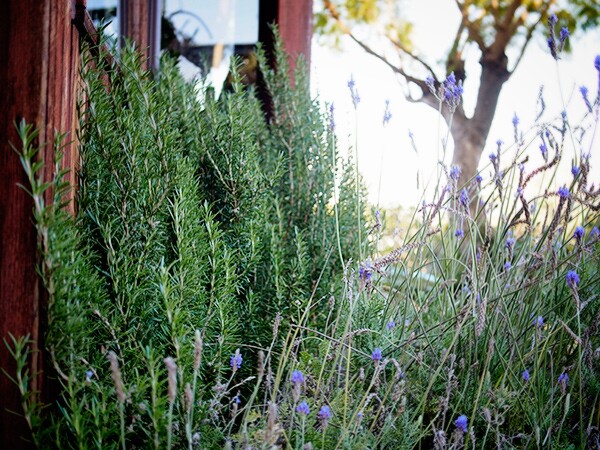
In regions facing increasing drought conditions, selecting herbs that thrive in arid environments is essential. Rosemary, thyme, and lavender are all excellent choices. They’re not just beautiful and fragrant; they’re incredibly resilient and require minimal water once established.
Rosemary is known for its ability to improve circulation and enhance memory. Thyme is a potent antiseptic and expectorant, useful for supporting respiratory health. Lavender is renowned for its calming properties and can help reduce stress and anxiety. These herbs also offer culinary benefits, adding flavor to your meals.
These herbs can also be used to support adrenal function, which is often compromised by chronic stress related to heat and dryness. They help the body regulate cortisol levels and maintain energy throughout the day. I try to avoid overhyping "superfoods," but these plants really do offer a wide range of benefits.
When planting drought-tolerant herbs, amend the soil with compost to improve its water-holding capacity. Mulching around the plants will also help conserve moisture. Avoid overwatering, as this can actually weaken the plants and make them more susceptible to disease.
Beyond the Basics: Lesser-Known Allies
While Schisandra and Astragalus are excellent starting points, there are many other climate-resilient herbs worth exploring. Elecampane, for example, is a powerful lung tonic that can be incredibly helpful during wildfire season, when air quality is compromised. It helps to soothe irritated airways and promote healthy respiratory function.
Reishi mushroom, though not technically an herb, is a potent adaptogen with immune-modulating properties. It’s been traditionally used to support the nervous system and promote longevity. However, research on Reishi is still ongoing, and more studies are needed to fully understand its effects.
Other promising options include Ashitaba, a Japanese herb known for its antioxidant and anti-inflammatory properties, and Holy Basil (Tulsi), an adaptogen that can help reduce stress and improve mental clarity. I'll admit, I’m not sure about the long-term effects of Ashitaba, but the preliminary research is encouraging.
It’s important to approach these lesser-known herbs with caution and respect. Start with a small dose and observe how your body responds. Consult with a qualified herbalist or healthcare professional before incorporating them into your routine.
Herbal Preparations for a Changing Climate
The way you prepare herbs can significantly affect their potency and bioavailability. Tinctures, made by extracting herbal constituents with alcohol, are a concentrated and convenient way to consume herbs. Teas and decoctions, made by simmering herbs in water, are gentler and more hydrating. Infused oils, made by macerating herbs in oil, are excellent for topical applications.
The choice of preparation method depends on the herb and your individual needs. For example, alcohol extracts the resins and alkaloids more effectively, while water extracts the water-soluble vitamins and minerals. I often recommend tinctures for adaptogens, as they provide a concentrated dose of the active compounds.
Sourcing high-quality herbs is crucial. Look for herbs that are organically grown and ethically harvested. Avoid herbs that are irradiated or treated with pesticides. I recently saw an Instagram post about a workshop on herbal preparations for perimenopause, which highlights the breadth of what herbalism can address.
Proper storage is also essential. Store herbs in airtight containers in a cool, dark, and dry place. Tinctures should be stored in amber glass bottles to protect them from light. Dried herbs should be used within a year to ensure their potency.
No comments yet. Be the first to share your thoughts!