

The 15-Minute Shield
It’s Monday morning, and you feel that familiar tickle in your throat. The first sign of a cold, arriving just as your workload hits its peak. Sound familiar? As professionals, we're constantly juggling demands, and often the first thing to slip is self-care. But what if I told you that bolstering your immunity doesn’t require a week-long detox or a complete lifestyle overhaul? Quick wins are possible.
We often think of immunity as a long-term project, building up over weeks and months. That’s true, of course, but a proactive approach—addressing vulnerabilities before they become full-blown illness—is incredibly powerful. Waiting until you're sick to start thinking about your immune system is like waiting until your car breaks down to consider maintenance.
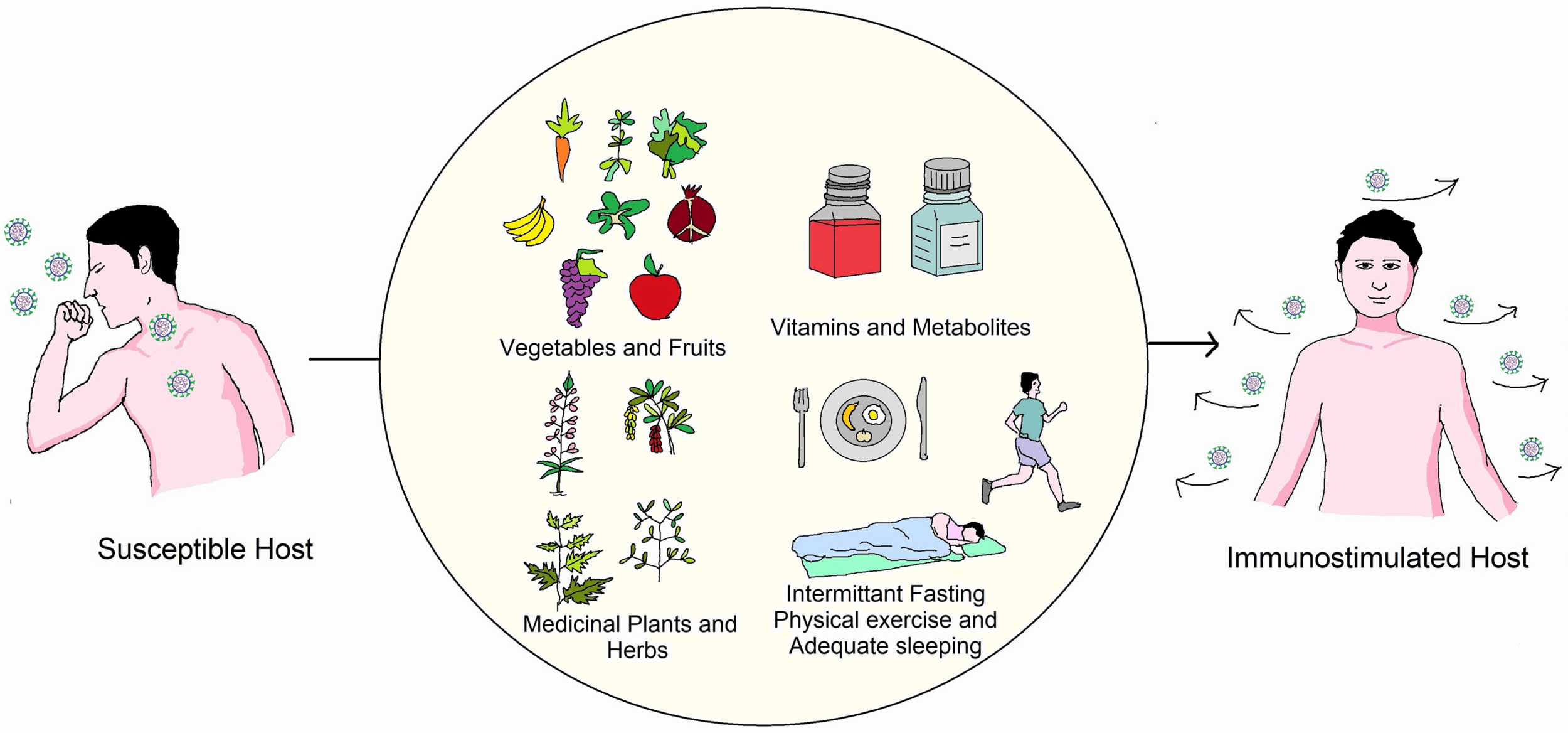
In 2026, the pressures on our immune systems are only increasing. Constant travel, fluctuating air quality, and persistent stress all take a toll. These factors demand that we have readily available tools to support our bodies, and thankfully, nature provides a wealth of options that can deliver a noticeable boost in as little as fifteen minutes. These aren’t replacements for a healthy lifestyle, but rather rapid-response support when you need it most.
Ginger-Lemon Fire Starter
There’s a reason why ginger-lemon tea is a go-to remedy when you’re feeling under the weather. It's more than just a comforting drink; it’s a potent combination of ingredients that actively support your immune system. Ginger possesses warming properties that help increase circulation and reduce inflammation, while lemon is an excellent source of vitamin C, a well-known immune booster.
Making a quick ginger-lemon drink is incredibly simple. Grate about a tablespoon of fresh ginger (or use a teaspoon of ginger powder), juice half a lemon, and combine it with a cup of hot water. Add a teaspoon of honey if you like a touch of sweetness. Sip slowly and let the warmth soothe your throat. It's a fantastic way to start your day or to give yourself a mid-afternoon pick-me-up.
You can easily customize this recipe to your liking. A pinch of cayenne pepper adds an extra kick and can further stimulate circulation. A slice of orange provides additional vitamin C and a brighter flavor. However, a quick word of caution: ginger can interact with blood thinners, so if you are taking any medications, it's always best to check with your doctor before consuming large amounts.
Elderberry Rush: Syrup Shortcut
Elderberry syrup has gained significant attention in recent years for its antiviral properties, and for good reason. Studies, like one published in the Journal of Functional Foods in 2024, have shown that elderberry extract can reduce the duration and severity of influenza symptoms. However, making elderberry syrup from scratch is a time-consuming process.
Thankfully, you don’t need to spend hours simmering berries to reap the benefits. High-quality, pre-made elderberry syrups are readily available at most health food stores. A quick and easy way to use it is to add a tablespoon to a glass of sparkling water for a refreshing and immune-boosting drink. You can also stir it into smoothies, yogurt, or even take it straight—though the taste can be quite strong.
When purchasing elderberry syrup, pay attention to the ingredients list. Look for syrups with a high fruit content and minimal added sugar. Some brands also include other beneficial ingredients like zinc and vitamin C. Be wary of syrups that are mostly sugar and artificial flavors; you want the power of the elderberries to be the star of the show.
Garlic's Instant Defense
Garlic, often hailed as nature's antibiotic, is a surprisingly effective quick remedy. It contains allicin, a potent compound with powerful antimicrobial and antiviral properties. While we often think of garlic as a culinary ingredient, its medicinal benefits have been recognized for centuries—ancient Egyptians and Romans used garlic to treat infections and boost immunity.
For a quick immunity boost, try a simple garlic "shot." Mince one or two cloves of garlic and mix them with a teaspoon of water and a teaspoon of honey. Consume it quickly—the taste is strong, to say the least! Following it with a slice of apple or orange can help neutralize the flavor.
The downside, of course, is the lingering garlic breath. A natural remedy? Chew on a few sprigs of fresh parsley. Parsley contains chlorophyll, which helps neutralize odors. Garlic has a long history of use for warding off illness, and while it may not be the most glamorous remedy, it’s undeniably effective.
Peppermint Steam Inhalation
A steam inhalation with peppermint essential oil is a fantastic way to quickly clear congestion and soothe a sore throat. Peppermint contains menthol, which has cooling and anti-inflammatory properties that can help open up your airways. It’s a particularly useful remedy when traveling, where air quality can be poor and exposure to germs is higher.
To create a steam inhalation, simply add a few drops of peppermint essential oil to a bowl of hot (but not scalding) water. Cover your head with a towel and lean over the bowl, inhaling deeply for 5-10 minutes. Be careful not to use too much oil, as it can be irritating. And if you have asthma or other respiratory conditions, consult with your doctor before trying this remedy.
This is a simple, portable solution. Keep a small bottle of peppermint oil in your travel kit for quick relief on the go. The cooling sensation is incredibly soothing, and it can help you breathe easier almost immediately.
Thyme Tea for Respiratory Support
Thyme, beyond its culinary uses, is a powerful herb for supporting respiratory health. It’s a natural expectorant, meaning it helps loosen mucus and clear congestion. This makes it an excellent remedy for coughs, colds, and bronchitis. The active compound responsible for these benefits is thymol, which has antiseptic and antibacterial properties.
Making thyme tea is simple. Steep a teaspoon of fresh thyme leaves (or a half teaspoon of dried thyme) in a cup of hot water for 10-15 minutes. Different types of thyme exist, such as common thyme and lemon thyme. While both are beneficial, lemon thyme offers a slightly brighter, citrusy flavor. The difference in medicinal properties is minimal.
Adding a teaspoon of honey and a squeeze of lemon juice can further soothe a sore throat and enhance the flavor. Thyme tea is a gentle yet effective remedy that can provide noticeable relief from respiratory symptoms. It’s a comforting and restorative drink, perfect for a quiet moment of self-care.
Adaptogen Boost: Rhodiola Quick-Start
Let’s talk about adaptogens. These are herbs and mushrooms that help your body adapt to stress—both physical and mental. In 2026, with the ever-increasing demands of modern life, managing stress is more important than ever. Chronic stress weakens the immune system, making you more susceptible to illness. Rhodiola rosea is a particularly quick-acting adaptogen.
Rhodiola helps your body cope with stress by modulating the release of cortisol, the stress hormone. It can also improve mental clarity, reduce fatigue, and enhance physical performance. A quick way to take Rhodiola is through a standardized extract capsule or tincture. Look for products that contain at least 3% rosavins and 1% salidroside—these are the key active compounds.
It’s important to note a few precautions. Rhodiola can be stimulating, so it’s best to take it in the morning or early afternoon. Avoid taking it at night, as it may interfere with sleep. Additionally, Rhodiola may interact with certain medications, particularly antidepressants. If you are taking any medications, always consult with your doctor before starting any new herbal supplement. While it's not a magic bullet, Rhodiola can be a valuable tool for supporting your resilience and overall well-being.
Quick Comparison of Adaptogens for Busy Professionals
| Adaptogen | Primary Benefit | Speed of Effect | Potential Side Effects | Best Time of Day |
|---|---|---|---|---|
| Rhodiola Rosea | Stress & Mental Fatigue | Relatively Quick (within a week for some benefits) | May cause insomnia in sensitive individuals, potential for agitation. | Morning or early afternoon |
| Ashwagandha | Sleep & Stress Reduction | Noticeable effects generally within 2-3 weeks of consistent use. | May cause drowsiness, gastrointestinal upset, and rarely, liver problems. Avoid if pregnant. | Evening |
| Holy Basil (Tulsi) | Stress & Immune Support | Moderate (benefits often felt within 1-2 weeks) | Generally well-tolerated, but may cause mild digestive upset in some. | Anytime, but often favored in the morning |
| Eleuthero (Siberian Ginseng) | Energy & Stamina | Moderate (effects may take several weeks to fully develop) | May raise blood pressure, interact with medications. Not recommended for those with autoimmune diseases. | Morning |
| Schisandra | Energy & Cognitive Function | Moderate (benefits may take 2-4 weeks of consistent use) | May cause stomach upset, skin rash, and decreased appetite in some individuals. | Morning or early afternoon |
| Cordyceps | Energy & Athletic Performance | Moderate (noticeable effects within 1-2 weeks with consistent use) | Generally well-tolerated, but some may experience mild digestive issues. | Morning or before exercise |
Illustrative comparison based on the article research brief. Verify current pricing, limits, and product details in the official docs before relying on it.

No comments yet. Be the first to share your thoughts!