

The rise of lab-grown herbs
For centuries, we’ve relied on the bounty of the earth for our herbal remedies. But the world is changing. Demand is increasing, wild populations are dwindling, and climate instability threatens consistent harvests. This is driving a surge of interest in lab-grown herbs – plants cultivated in controlled environments, using techniques like cellular agriculture, hydroponics, and aeroponics. These aren’t necessarily the same as genetically modified organisms, though that’s another conversation entirely.
Cellular agriculture, in particular, is fascinating. It involves growing plant cells in a bioreactor, allowing for the production of specific compounds without the need for a whole plant. Hydroponics and aeroponics, while not new, are being refined to maximize yields and control nutrient delivery. These methods offer a level of control simply unattainable with traditional wild harvesting.
Relying only on wild harvests is getting harder. Overharvesting threatens goldenseal and American ginseng, while shifting weather patterns mess with growing seasons and chemical makeup. Potency in the wild is rarely consistent—it changes based on the soil and the rain that year. This shift to the lab is happening because it has to.
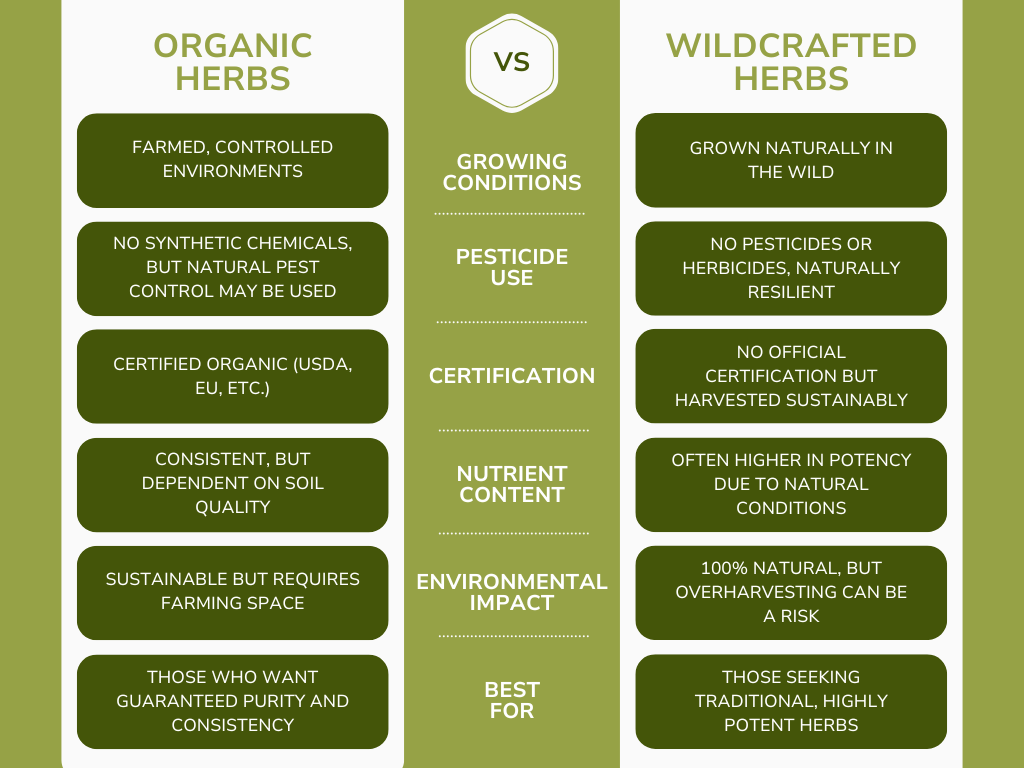
Wild vs. cultivated chemical profiles
The chemical profile of an herb – the complex mix of compounds that contribute to its therapeutic effects – is profoundly influenced by its environment. Soil composition, sunlight exposure, rainfall, altitude, and even the presence of neighboring plants all play a role. A wild-harvested echinacea plant growing in the nutrient-rich soil of the Midwest will likely have a different chemical makeup than one growing in rocky, depleted soil.
Lab growers control the variables. They tweak nutrients, light, and heat to hit specific compound targets. This creates a level of standardization you just can't get in the woods. But control isn't always better.
Can lab-grown herbs exactly replicate the complex chemical profiles of their wild counterparts? The answer, as of 2026, is generally no. Wild herbs contain a vast array of compounds, many of which we haven't even identified yet. While lab-grown methods can effectively boost the production of known key compounds, they may lack the subtle nuances and synergistic interactions found in wild plants. Standardization is easier, absolutely, but it comes at the potential cost of complexity.
Research from a 2024 study by the American Botanical Council showed that lab-grown chamomile, while containing comparable levels of chamazulene (a key anti-inflammatory compound), had significantly lower levels of certain volatile oils responsible for chamomile’s characteristic aroma and potentially contributing to its overall therapeutic effect.
Lab-Grown vs. Wild-Harvested Herb Comparison - Projected 2026
| Herb | Key Compounds | Wild Variability | Lab Consistency | Potential Trade-offs |
|---|---|---|---|---|
| Echinacea ( *Echinacea purpurea* ) | Echinacosides, Cichoric Acid | Medium | High | Wild: Broader spectrum of Echinacosides potentially, influenced by soil & climate. Lab: Standardized Echinacoside levels, may lack some minor immune-supporting constituents. |
| St. John’s Wort ( *Hypericum perforatum* ) | Hypericin, Hyperforin | High | Medium | Wild: Potency heavily dependent on harvest time and sunlight exposure. Lab: More predictable Hypericin content, potential for reduced synergistic compounds found in whole plant material. |
| Lavender ( *Lavandula angustifolia* ) | Linalool, Linalyl Acetate | Low | High | Wild: Complex aromatic profile, subtle variations based on terroir. Lab: Consistent Linalool levels, aroma may be less nuanced. |
| Ginseng ( *Panax ginseng* ) | Ginsenosides (Rg1, Re, Rf10) | High | Medium | Wild: Ginsenoside profile influenced by age of root and growing conditions. Lab: Controlled Ginsenoside production, may lack the full adaptogenic complexity of wild-grown roots. |
| Chamomile ( *Matricaria chamomilla* ) | Apigenin, Bisabolol | Medium | High | Wild: Flavor profile varies greatly with growing location and drying methods. Lab: Consistent Apigenin levels, potential for reduced volatile oil complexity. |
| Lemon Balm ( *Melissa officinalis* ) | Rosmarinic Acid, Citronellal | Medium | Medium | Wild: Rosmarinic acid content fluctuates with seasonal changes. Lab: More reliable Rosmarinic Acid levels, may have a less vibrant aroma. |
| Peppermint ( *Mentha x piperita* ) | Menthol, Menthone | Low | High | Wild: Oil composition affected by genetics and environmental factors. Lab: High Menthol concentration, potentially lacking some minor flavor components. |
Illustrative comparison based on the article research brief. Verify current pricing, limits, and product details in the official docs before relying on it.
Sustainability and ethics
Wild harvesting, while seemingly "natural,’ isn"t always a sustainable practice. Overharvesting has decimated populations of several medicinal plants, including ginseng, goldenseal, and bloodroot. The demand for these herbs often outstrips the rate at which they can naturally regenerate. This is especially concerning when considering the slow growth rates of many medicinal species.
Lab-grown herbs, when done responsibly, can significantly reduce the pressure on wild populations. They require less land, can be grown in urban environments, and minimize the need for pesticides and herbicides. However, it’s important to acknowledge that lab-grown isn’t automatically environmentally benign. Indoor facilities can be energy-intensive, and the production of nutrient solutions can have its own environmental impact.
Ethical considerations extend beyond environmental sustainability. When sourcing wild herbs, it’s crucial to ensure fair trade practices and respect for Indigenous knowledge. Many medicinal plants have been used for centuries by Indigenous communities, and it’s essential that these communities benefit from the commercialization of their traditional knowledge. "Natural’ doesn’t inherently mean ‘ethical"; careful sourcing is paramount.
- using less land than traditional farms
- cutting out most pesticides and herbicides
- Reduced pressure on wild populations
- Potential for urban farming
Ethically Sourced Herbs for Potent Natural Healing

Immune support complex · Liquid extract form · Soy, dairy & gluten-free
This product offers a blend of well-known immune-supporting herbs in a readily absorbable liquid form.
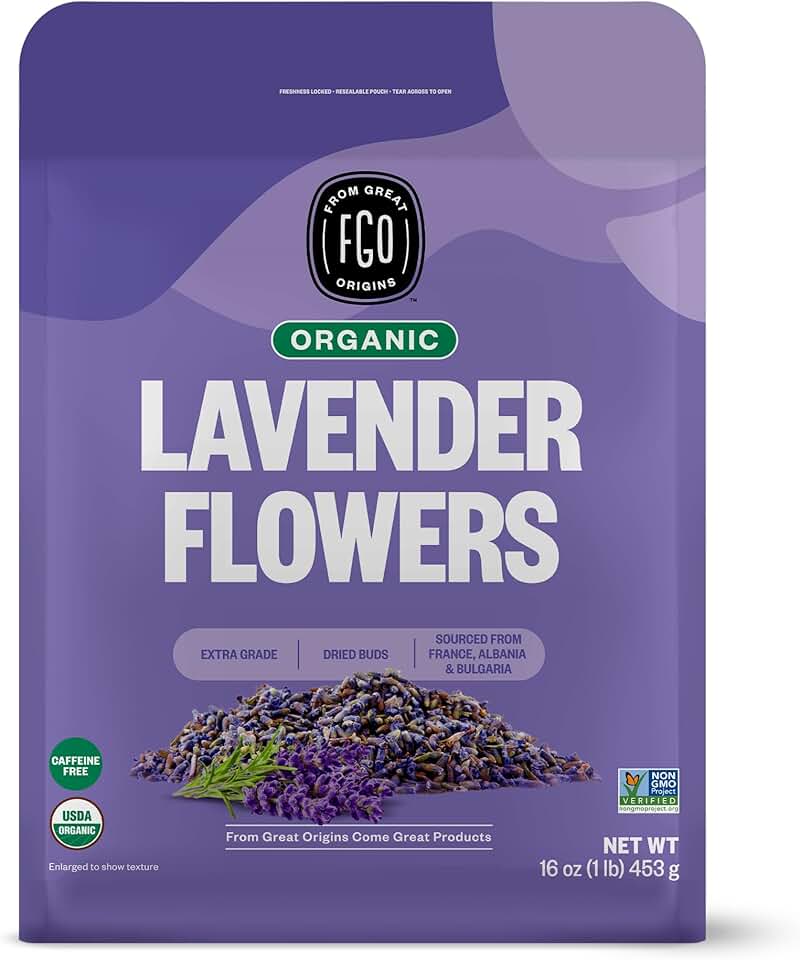
USDA Organic · Imported from France · Versatile culinary and craft use
These premium, organic lavender buds provide a fragrant and versatile option for both culinary and aromatic applications.

Supports healthy digestion · Organic ginger root · Caffeine-free and compostable tea bags
This widely available organic ginger tea is a reliable and comforting choice for digestive wellness.

Supports liver health · USDA Organic Milk Thistle Seed · Caffeine-free, string-free sachets
This organic milk thistle tea provides a straightforward and effective way to incorporate this herb for liver support.

Traditional sleep support · Non-GMO Project Verified · Gluten-free and vegan
Nature's Way Valerian Root offers a trusted, plant-based option for individuals seeking natural sleep support.
As an Amazon Associate I earn from qualifying purchases. Prices may vary.
What the research says about potency
Determining whether lab-grown herbs are more potent or bioavailable than their wild counterparts is a complex question, and honestly, the research is still catching up. Direct comparison studies are relatively rare. Much of the available data focuses on how different growing conditions – light intensity, nutrient levels, water stress – affect the concentration of specific compounds in herbs.
A 2023 study published in Phytochemistry found that organically grown basil had higher levels of certain antioxidants compared to conventionally grown basil, highlighting the impact of agricultural practices. However, this doesn't necessarily translate to greater therapeutic efficacy. Bioavailability – how well the body absorbs and utilizes the active compounds – is equally important.
The challenge lies in replicating the full spectrum of compounds found in wild herbs. While lab-grown methods can optimize the production of specific constituents, they may not capture the synergistic effects of minor compounds that contribute to overall potency. We simply don't understand the roles of many of these compounds yet.
I'm not sure about this one, but there’s also the question of whether the form of the compounds differs between lab-grown and wild herbs. Subtle variations in molecular structure can affect bioavailability and therapeutic activity. More research is urgently needed to address these questions.
Where lab-grown methods work
Certain herbs stand to benefit significantly from lab-grown production. For example, Artemisia annua, the source of artemisinin – a crucial drug for treating malaria – is often grown in regions with inconsistent climates and limited resources. Lab-grown artemisinin production offers a more reliable and sustainable supply.
Another example is Catharanthus roseus, the Madagascar periwinkle, which yields vinblastine and vincristine – powerful chemotherapy drugs. The plant is slow-growing and contains low concentrations of these compounds. Cellular agriculture allows for the efficient production of these life-saving drugs without relying on large-scale plant cultivation.
St. John’s Wort (Hypericum perforatum) is also a good candidate. Consistent hypericin and hyperforin levels are vital for its efficacy as an antidepressant, and lab-grown methods can deliver that consistency. This is particularly important for pharmaceutical applications where precise dosing is essential.
When wild harvesting is better
Despite the advancements in lab-grown technology, some herbs are best left to the wild. Usnea, a lichen used for its antimicrobial properties, is a prime example. Its chemical profile is deeply influenced by the specific tree it grows on and the surrounding air quality – factors that are difficult to replicate in a lab.
Similarly, herbs with complex, nuanced flavors and aromas, like wild bergamot (Monarda fistulosa), likely benefit from the unique environmental conditions of their native habitats – the "terroir" if you will. These subtle differences can impact not only the flavor but also the therapeutic properties.
Many Indigenous communities have deep cultural connections to wild-harvested herbs, and their traditional knowledge is invaluable. Respecting these traditions and ensuring that these communities benefit from sustainable harvesting practices is paramount. For herbs like white sage (Salvia apiana), wild harvesting, done respectfully and sustainably, remains the preferred method.
Which factor is most important to you when choosing herbs for natural healing in 2026?
The debate between lab-grown and wild-harvested herbs continues to evolve. Whether you prioritize the standardized potency of controlled cultivation or the traditional wisdom behind wild-harvested botanicals, your preferences help shape the future of herbalism. Vote below and share your perspective with the Local Witch Doctor community!


No comments yet. Be the first to share your thoughts!