

The Automated Apothecary
For centuries, herbalism has been a practice steeped in tradition, knowledge passed down through generations. But that knowledge often requires years of study, a keen eye for plant identification, and a good deal of luck with seasonal availability. Traditional herbalism isn't without its hurdles. Accurately identifying plants can be tricky, potency varies wildly depending on growing conditions, and creating consistent remedies is a challenge. These limitations are precisely what a new wave of technology – AI-powered herbal medicine – aims to address.
We are seeing a convergence of two powerful trends: a growing interest in personalized medicine and the rapid advancement of artificial intelligence. People are increasingly seeking natural, holistic approaches to health, and they want solutions tailored to their individual needs. AI offers the potential to analyze vast amounts of data – genetic information, lifestyle factors, even environmental conditions – to create truly customized herbal remedies. This isn’t about replacing the herbalist, but augmenting their skills with powerful tools.
Smart gardens, AI-driven diagnostics, and automated extraction systems are no longer futuristic concepts; they are rapidly becoming a reality. Imagine a system that not only grows your herbs for you but also accurately identifies them, diagnoses any potential problems, and creates personalized tincture recipes based on your unique health profile. That’s the promise of the automated apothecary. It’s a significant shift, moving us from reliance on broad, generalized remedies to targeted, precise herbal interventions.
While still in its early stages, this field is gaining momentum. Companies are investing heavily in research and development, and early adopters are already experiencing the benefits of tech-enhanced natural remedies. It’s a fascinating time to be involved in herbalism, as we stand on the cusp of a revolution that could make this ancient practice more accessible, effective, and personalized than ever before.
Smart Gardens: Beyond Automated Watering
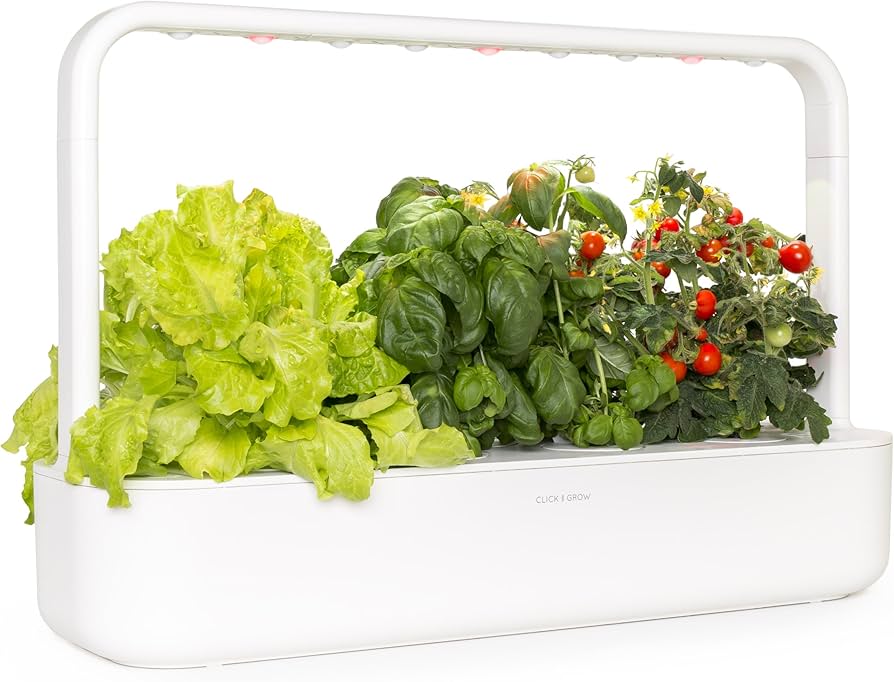
The foundation of AI-powered herbalism is, unsurprisingly, the smart garden. These systems have moved far beyond simple automated watering. Early models, like the initial Click & Grow systems launched in 2016, focused primarily on providing consistent light and water. Now, however, they incorporate a sophisticated array of sensors and data analysis capabilities.
Modern smart gardens utilize sensors to monitor crucial environmental factors: soil moisture, light intensity, temperature, and nutrient levels. This data isn't just displayed; it’s used to automatically adjust growing conditions, ensuring optimal plant health. Systems like Rise Gardens, for instance, employ hydroponics and full-spectrum LED lighting to accelerate growth and maximize yields, while Gardyn focuses on vertical farming to maximize space. These aren’t just about convenience; they’re about creating a controlled environment where herbs can thrive.
The real power lies in the integration of AI. These systems are learning to predict plant needs based on historical data and real-time feedback. They can identify potential problems – nutrient deficiencies, pest infestations, early signs of disease – before they become visible to the human eye. This predictive capability is a game-changer for the herbalist, allowing for proactive intervention and preventing crop losses. It’s not just about growing herbs; it’s about growing healthy herbs.
What does this enable for the herbalist? It means consistent, high-quality harvests regardless of your climate or growing experience. It means reduced reliance on pesticides and herbicides, as the system can proactively address potential issues. And it means more time to focus on the art of herbalism – formulation, education, and patient care – rather than the tedious tasks of gardening. The ability to consistently produce specific chemical profiles in your herbs is becoming a reality.
Take the example of the Lettuce Grow Farmstand, which uses a recirculating hydroponic system. While not specifically marketed towards herbalists, its ability to consistently deliver nutrients and maintain optimal growing conditions means that herbs grown in it will have a more predictable chemical composition than those grown in a traditional garden. This consistency is crucial for creating reliable herbal remedies.
- Rise Gardens: Focuses on indoor hydroponic systems with AI-powered growth monitoring.
- Click & Grow: Offers a range of smart gardens, from small countertop models to larger wall-mounted systems.
- Gardyn: Specializes in vertical farming solutions for growing herbs and vegetables indoors.
- Lettuce Grow Farmstand: A recirculating hydroponic system providing consistent nutrient delivery.
Qualitative Comparison: AI-Powered Smart Garden Systems for Herbalism (2026)
| Cost Consideration | Herb Selection | Automation Capabilities | Intelligent Features | Space Needs |
|---|---|---|---|---|
| Rise Gardens – Premium Option | Good variety; focuses on leafy greens & culinary herbs, expanding selection available. Some less common medicinal herbs supported. | Fully automated watering, lighting, and nutrient dosing. App control for scheduling and monitoring. Requires electricity. | Plant health monitoring via camera, but limited diagnostic feedback. Primarily focuses on growth optimization, not specific herbal compound development. | Larger footprint; modular design allows for expansion, suitable for dedicated indoor space. |
| Click & Grow – Beginner Friendly | Limited selection, primarily culinary herbs. Pod-based system restricts user choice. Focus on ease of use. | Automated watering and lighting. Pre-seeded pods simplify planting. Minimal user intervention needed. | Basic plant health monitoring through app. No real 'AI' features beyond automated cycles. | Compact design; ideal for small apartments or kitchens. Limited scalability. |
| Gardyn – Vertical Farming Focus | Wide range of herbs and vegetables, including some medicinal options. Subscription model for seed pods. | Automated watering, lighting, and nutrient delivery. Vertical design maximizes space efficiency. App-based control. | Camera-based plant recognition; offers basic growth recommendations. Integrates with a community platform for shared knowledge. | Vertical design requires height clearance. Takes up less floor space than traditional systems but needs a dedicated wall. |
| AeroGarden – Established Brand | Good selection of common culinary and some medicinal herbs. Wide availability of seed kits. | Automated lighting and watering. Simple timer-based operation. Requires electricity. | Basic reminders for adding nutrients. No advanced AI or diagnostic capabilities. | Smaller footprint, suitable for countertops. Limited scalability compared to modular systems. |
| Lettuce Grow – Hydroponic System | Focuses on leafy greens and herbs. Less geared towards root-based medicinal herbs. | Automated watering and nutrient delivery via recirculating system. Requires electricity. | Minimal AI features. Relies on consistent nutrient solution and light cycles. | Large capacity, but requires a dedicated outdoor or well-lit indoor space. Can be bulky. |
Qualitative comparison based on the article research brief. Confirm current product details in the official docs before making implementation choices.
AI-Driven Plant Identification & Diagnosis
One of the biggest challenges in herbalism is accurate plant identification. Many herbs have similar-looking varieties, and misidentification can lead to ineffective – or even dangerous – remedies. AI is rapidly improving our ability to overcome this hurdle. Image recognition technology, powered by machine learning algorithms, is becoming increasingly sophisticated.
Mobile apps like PlantNet (launched in 2013 and continually updated) and iNaturalist allow you to simply take a photo of a plant and receive an identification. These apps aren't perfect, of course, but they are getting better all the time. The key is the data they are trained on. The more images and data points they have, the more accurate they become. This is where citizen science plays a crucial role.
Citizen science initiatives, like those supported by iNaturalist, allow anyone to contribute to the training of these AI models. By submitting photos and identifying plants, users help to refine the algorithms and improve their accuracy. It’s a collaborative effort that leverages the collective knowledge of a global community. The more data, the better the AI performs.
But AI isn’t just about identification. It can also diagnose plant diseases and nutrient deficiencies. Sophisticated algorithms can analyze images of leaves, stems, and roots to detect subtle changes that might indicate a problem. This allows for early intervention, preventing the spread of disease and maximizing yields. Companies like Phytech are developing sensors that can detect stress in plants before visible symptoms appear, providing valuable insights for growers.
Personalized Tincture Recipes: The Algorithm's Touch
This is where AI-powered herbalism truly begins to feel revolutionary. Imagine an AI that can create personalized tincture recipes based on your individual health data. It's no longer about a one-size-fits-all approach; it's about tailoring remedies to your unique needs. Algorithms can analyze a wide range of factors – your genetic predispositions, lifestyle, diet, existing health conditions – to determine the optimal herb combinations and dosages.
The process involves considering herb synergy and potential interactions. Some herbs enhance the effects of others, while some can counteract them. AI can navigate these complexities, identifying combinations that are more effective than individual herbs alone. It can also account for potential allergies or contraindications, ensuring safety and minimizing the risk of adverse reactions. The potential for optimization is enormous.
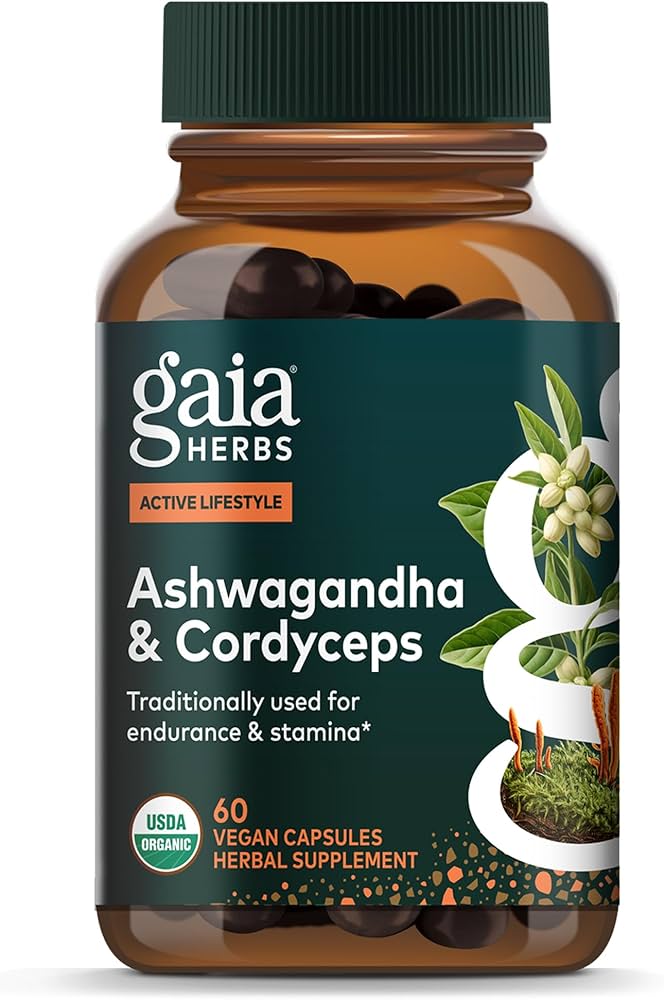
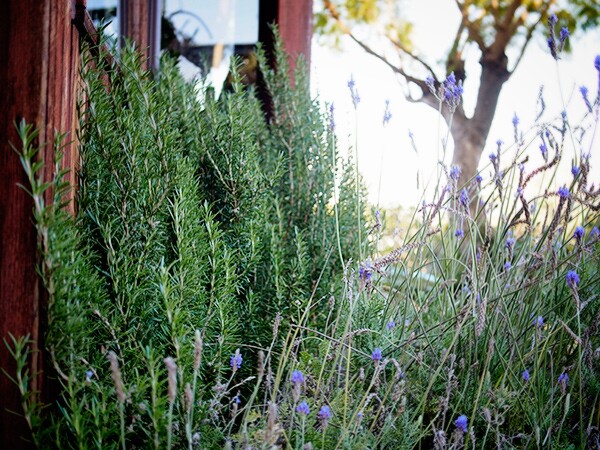
For example, an AI might recommend a tincture combining lemon balm, chamomile, and lavender for someone struggling with anxiety, while suggesting a different blend – ashwagandha, rhodiola, and holy basil – for someone experiencing chronic stress. The specific dosages would be adjusted based on the individual's weight, metabolism, and overall health status. This level of personalization was simply not feasible before the advent of AI.
However, this raises ethical considerations. AI-driven healthcare requires careful oversight. It’s crucial to remember that AI is a tool, not a replacement for human expertise. Herbalists still need to review and validate the AI-generated recommendations, ensuring that they align with their clinical judgment and the patient’s overall care plan. Transparency is also essential – patients should understand how the AI arrived at its recommendations.
The integration with wearable health trackers and genetic testing is also on the horizon. Wearable devices can provide real-time data on heart rate variability, sleep patterns, and activity levels, providing valuable insights into a person’s overall health. Genetic testing can reveal predispositions to certain conditions, allowing for even more targeted herbal interventions. But this also brings up data privacy concerns – protecting sensitive health information is paramount.
- Data Input: Genetic information, lifestyle factors, health conditions.
- Algorithm Analysis: Herb synergy, potential interactions, contraindications.
- Recipe Generation: Personalized tincture formulas with optimized dosages.
- Human Review: Herbalist validation and clinical judgment.
- Ongoing Monitoring: Tracking patient response and adjusting recipes as needed.
Automated Extraction & Quality Control
Traditionally, herbal extraction – the process of separating medicinal compounds from plant material – is a labor-intensive and time-consuming process. AI is beginning to automate this process, improving efficiency and ensuring consistent quality. Emerging technologies like ultrasonic extraction and supercritical CO2 extraction are gaining traction.
Ultrasonic extraction uses sound waves to disrupt plant cells, releasing the desired compounds. Supercritical CO2 extraction uses carbon dioxide under high pressure and temperature to selectively extract specific compounds. Both methods are more efficient and environmentally friendly than traditional solvent-based extraction methods. AI can monitor and control these processes, optimizing parameters like temperature, pressure, and extraction time to maximize yield and potency.
AI-powered quality control systems can analyze the extracted compounds to ensure they meet specific standards. This includes identifying and quantifying key active ingredients, as well as detecting any contaminants. This level of precision was previously unattainable without expensive and time-consuming laboratory testing. It's about ensuring that every batch of tincture is consistently potent and safe.
Scaling up automated extraction presents challenges. Maintaining the integrity of the herbs and preventing degradation of the active compounds requires careful control of the extraction environment. However, the potential benefits – increased efficiency, reduced costs, and improved quality – are significant. Blockchain technology could also play a role, tracking the provenance and quality of herbs throughout the supply chain, ensuring transparency and accountability.
The 2026 Smart Garden Ecosystem
Looking ahead to 2026, we can envision a fully integrated AI-powered herbalism ecosystem. Imagine a smart garden that automatically grows your herbs, an AI recipe generator that creates personalized tincture formulations, and an automated extraction system that produces high-quality extracts. All of these components working together seamlessly.
Cloud connectivity will be central to this ecosystem. Data from your smart garden – environmental conditions, plant health, harvest yields – will be uploaded to a central server, where it can be analyzed by AI algorithms. This data will be used to optimize growing conditions, refine tincture recipes, and improve the overall efficiency of the system. Data sharing, with appropriate privacy safeguards, will allow for continuous learning and improvement.
Community collaboration will also be key. Herbalists will be able to share their knowledge and experiences, contributing to a collective database of herbal wisdom. Online forums and virtual workshops will facilitate knowledge exchange and peer-to-peer learning. This collaborative approach will accelerate the advancement of AI-powered herbalism.
New business models are likely to emerge. Subscription services for personalized herbal blends, tailored to individual health needs, could become commonplace. Companies might offer 'herb-as-a-service,' providing everything you need to grow and process your own herbs, from the smart garden to the AI-powered software. The possibilities are endless.
This isn't just about technology; it's about empowering individuals to take control of their health and well-being. It's about making herbalism more accessible, effective, and sustainable. It’s about bridging the gap between ancient wisdom and modern technology.
What is the biggest barrier to you adopting AI-powered herbalism tools and smart gardens?
As AI-powered herbal medicine gains momentum in 2026, we want to hear from our community. Whether you are a seasoned herbalist or just starting your journey with natural remedies, your perspective matters. Vote below and let us know what is holding you back from embracing this new wave of smart herbalism.
Navigating the Risks: Data Privacy & Algorithmic Bias
The integration of AI into herbal medicine isn’t without its risks. Data privacy breaches are a major concern. The collection and storage of sensitive health information – genetic data, lifestyle factors, medical history – requires robust security measures. It’s crucial to choose systems that prioritize data privacy and comply with relevant regulations.
Algorithmic bias is another potential pitfall. AI algorithms are trained on data, and if that data is biased, the algorithms will be biased as well. This could lead to inaccurate diagnoses, inappropriate treatment recommendations, or even discrimination. It’s essential to ensure that the data used to train AI models is diverse and representative of the population.
Over-reliance on technology is also a concern. AI is a tool, not a replacement for human expertise. Herbalists need to critically evaluate AI-generated recommendations, using their clinical judgment and intuition. It’s important to remember that AI is not infallible and can make mistakes. The human element remains essential.
Transparency and accountability are paramount. Patients should understand how the AI arrived at its recommendations and have the ability to question or challenge them. Developers of AI-powered herbalism systems should be transparent about their algorithms and data sources. We must be vigilant in ensuring that this technology is used ethically and responsibly.
Ultimately, AI is a powerful tool that can enhance the practice of herbalism. But it's also a tool that requires careful consideration and responsible implementation. Human expertise, ethical considerations, and a commitment to data privacy are essential for realizing the full potential of AI-powered herbal medicine.


No comments yet. Be the first to share your thoughts!