

Herbalism in 2026
Traditional herbalism relies on predictable seasons, but the heat waves and droughts of 2024 have already disrupted standard growing cycles. By 2026, we expect even more erratic weather. We have to stop assuming our gardens will have consistent rain or mild summers and start choosing plants that don't mind a struggle.
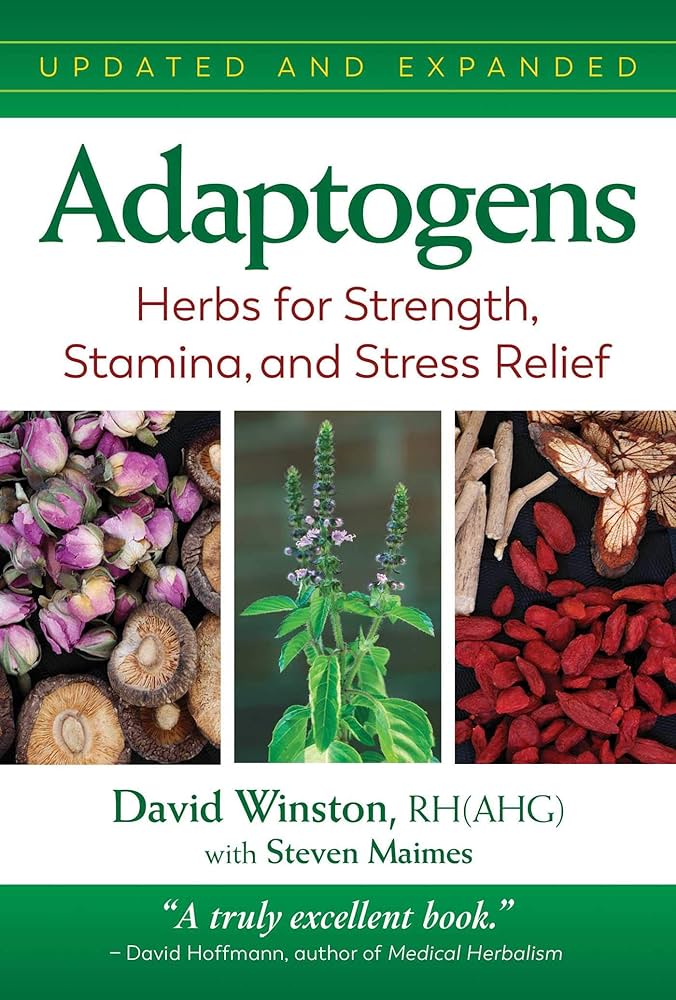
For centuries, herbalists have worked with the rhythms of nature. Now, those rhythms are becoming erratic. We need to adapt, and that means focusing on plants that can not only thrive in these new conditions but also support our ability to thrive alongside them. This is where the concept of adaptogens becomes incredibly important. Adaptogens are plants that help the body resist stressors of all kinds – physical, chemical, and biological – and climate change is certainly adding a new layer of stress.
We’re moving beyond simply finding herbs that "work" to finding those that are truly resilient. This isn't just about identifying drought-tolerant species, though that's a start. It’s about understanding which plants can withstand a barrage of challenges and still offer us their healing properties. It’s about building a more robust and sustainable herbal practice for a future that demands it.
What makes a plant resilient
Saying a plant is "climate resilient’ is a bit of a simplification. It"s not enough for a plant to simply tolerate drought. True resilience is about a complex interplay of traits that allow a plant to survive, adapt, and continue to produce medicinal compounds under stress. Deep, extensive root systems are key, allowing plants to access water sources deeper underground. Plants like Dandelion, with their taproots, demonstrate this well.
Water storage capacity is another vital factor. Succulents, obviously, excel here, but even some herbaceous plants have developed mechanisms to store water in their leaves or stems. Heat tolerance mechanisms are also crucial – some plants produce protective compounds to shield their cells from damage, while others have leaf structures that minimize water loss. Pest resistance is becoming increasingly important as climate change alters pest patterns and expands their ranges.
Finally, seed viability under stress is paramount. A plant that can survive a drought but fails to produce viable seeds won't be able to perpetuate itself. We need to consider how climate change will affect pollination, seed dispersal, and germination rates. Understanding these biological mechanisms allows us to make informed choices about which plants to cultivate and support.
Seven adaptogens for extreme weather
Choosing the "best" adaptogens is subjective, of course, and depends on individual needs. However, these seven plants consistently demonstrate both adaptogenic properties and a degree of climate resilience. Ashwagandha (Withania somnifera) is a cornerstone for stress management, helping to regulate cortisol levels. It prefers well-drained soil and tolerates heat, but benefits from some shade during the hottest parts of the day.
Rhodiola (Rhodiola rosea) is excellent for combating fatigue and improving mental performance. Specifically, Rhodiola rosea is known for its hardiness – it thrives in cold, high-altitude environments. Holy Basil, or Tulsi (Ocimum sanctum), offers a broader spectrum of benefits, supporting immune function, reducing inflammation, and promoting emotional well-being. It’s relatively easy to grow and can handle both heat and humidity.
Schisandra (Schisandra chinensis) is a powerful liver protector and stress reliever. It’s a vine that requires support and prefers partial shade. Eleuthero, also known as Siberian Ginseng (Eleutherococcus senticosus), boosts immune function and enhances endurance. It’s very cold-hardy and can tolerate poor soil conditions. Milk Thistle (Silybum marianum) is renowned for its liver-protective properties and detoxification support. It’s a biennial that self-seeds readily and is fairly drought-tolerant.
Lastly, Gotu Kola (Centella asiatica) supports cognitive function and promotes wound healing. It prefers moist, shady conditions but can adapt to a range of soil types. It's worth noting that different cultivars of Gotu Kola exist, with some showing greater resilience than others. I’ve found the varieties sourced from Southeast Asia to be particularly robust.
When sourcing these herbs, consider the origin. Plants grown in similar climates to your own are more likely to thrive. Look for seeds or starts from reputable suppliers who prioritize sustainable growing practices. It’s also important to learn about the specific needs of each plant – soil type, water requirements, sunlight exposure – to ensure its success.
Garden strategies for tough seasons
Resilience isn’t just about the plants you choose; it’s about how you cultivate them. Permaculture principles offer a powerful framework for creating a self-sustaining and resilient garden ecosystem. This involves designing gardens that mimic natural ecosystems, emphasizing diversity, and minimizing external inputs. Companion planting is a key technique – pairing plants that benefit each other.
For example, planting nitrogen-fixing legumes like beans or peas alongside heavy feeders like tomatoes can improve soil fertility. Water harvesting techniques, such as rain gardens and swales, can capture and store rainwater for later use. Building healthy soil is arguably the most important thing you can do. Composting, cover cropping, and adding organic matter all contribute to improved soil structure, water retention, and nutrient availability.
Creating microclimates within your garden can also enhance resilience. Planting windbreaks, using shade cloth, and strategically placing plants to provide mutual protection can help buffer against extreme weather events. The goal is to create a system that is adaptable, self-regulating, and capable of weathering challenges.
Beyond the Garden: Wildcrafting & Ethical Harvesting
While growing your own herbs is ideal, wildcrafting can supplement your supply. However, it’s crucial to approach this practice with respect and responsibility. Accurate plant identification is paramount – never harvest a plant unless you are 100% certain of its identity. Many medicinal plants have poisonous look-alikes.
Only take what you need, and always leave enough for the plant to regenerate and for other creatures that rely on it. Avoid harvesting from endangered or threatened species. Be mindful of the ecosystem as a whole – don’t disturb the habitat unnecessarily. Legal considerations vary depending on your location, so be sure to check local regulations before wildcrafting.
The principle of reciprocity is key. Give back to the land by seeding areas where you’ve harvested, removing invasive species, and supporting conservation efforts. Wildcrafting should be a sustainable practice that benefits both people and the environment.
Preparing for Uncertainty: Herbal First Aid Kits
Climate change is increasing the risk of climate-related emergencies. Having a well-stocked herbal first aid kit can be invaluable in these situations. For heatstroke, include cooling herbs like peppermint and lavender. For dehydration, consider electrolyte-rich herbal teas like hibiscus or nettle. Wound care is essential, especially after floods or storms – plantain, yarrow, and calendula are excellent for promoting healing.
Respiratory issues, such as those caused by wildfires or dust storms, can be addressed with herbs like mullein and elecampane. Stress and anxiety are common responses to emergencies – chamomile, lemon balm, and lavender can provide calming support. Include tinctures, salves, and teas in your kit for versatility.
Remember to label everything clearly and store your kit in a cool, dry place. It’s also a good idea to take a wilderness first aid course to learn how to use these remedies effectively. Preparedness is not about fear; it’s about empowerment.
Adaptogenic Herbal First Aid Kits for Extreme Weather Preparedness

Comprehensive kit with 40 essential items · Durable and compact carry bag · Suitable for home, car, travel, office, and camping
This first aid kit is essential for immediate response to injuries, ensuring basic medical needs are met during unexpected events.

Extensive 262-piece survival gear and supplies · Includes tent, camping axe hammer, and survival shovel · Crossbody bag for portability and a separate first aid kit pouch
This all-in-one survival kit provides robust tools and supplies for extended emergency situations, complementing herbal remedies with practical survival necessities.
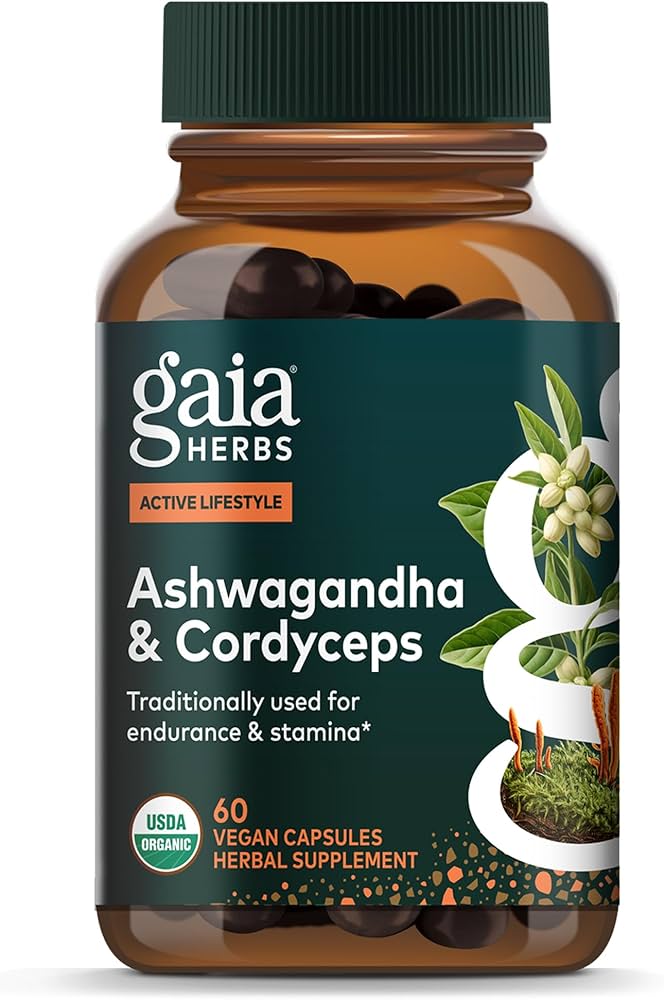
High-quality, organic Ashwagandha root extract · Standardized to 5% withanolides for potency · Supports stress management and overall well-being
Ashwagandha is a premier adaptogen known for its ability to help the body cope with stress, making it invaluable for maintaining balance during extreme weather events.

Variety pack of 40 medicinal and tea herb seeds · USA grown, heirloom, non-GMO seeds · Resealable Mylar bag for long-term storage
This kit empowers you to grow your own climate-resilient medicinal herbs, ensuring a sustainable source of natural remedies for teas and healing.

Beginner-friendly guide to essential herbs · Covers common ailments and natural healing · Focuses on holistic wellness and ancient remedies
This chart serves as an accessible educational tool, demystifying herbal medicine and enabling informed use of adaptogenic plants for natural healing.
As an Amazon Associate I earn from qualifying purchases. Prices may vary.
No comments yet. Be the first to share your thoughts!