
The rise of subtle strength
Old Man Tiber, a carpenter in my village, used to swear by a single drop of hawthorn tincture under his tongue before tackling a particularly intricate piece of work. He called it "steadying the hand.’ It wasn’t about making him better at carpentry, he’d say, but about getting out of his own way. That’s the essence of what’s happening now with micro-dosing herbal tinctures, though the scale is far wider than Old Man Tiber"s workshop.
This isn't a replacement for traditional herbalism. Potent, targeted remedies still have their place. But I'm seeing a shift toward a more subtle approach. It's a gentle nudge rather than a forceful push, working with the body's rhythms instead of trying to override them.
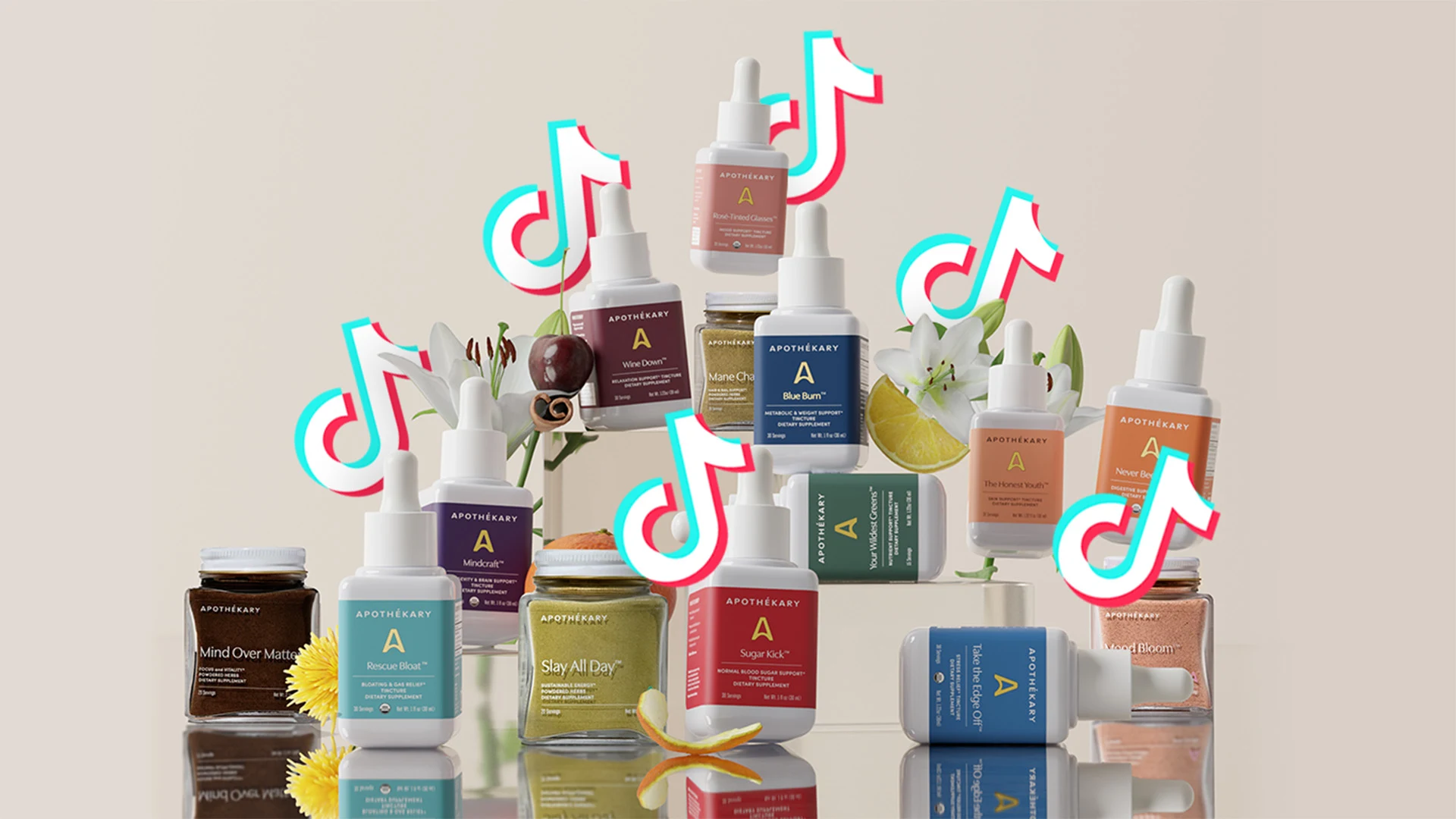
Social media is, of course, fueling much of this. Hashtags like #herbalmicrodosing and #precisionherbalism are exploding with testimonials and shared experiences. Analysts predict 2026 will be a peak year for this trend, as millennials and Gen Z prioritize holistic wellness and seek alternatives to conventional medicine. This isn’t about chasing a "high’ or a quick fix; it"s about finding sustainable support in the everyday.
What micro-dosing actually looks like
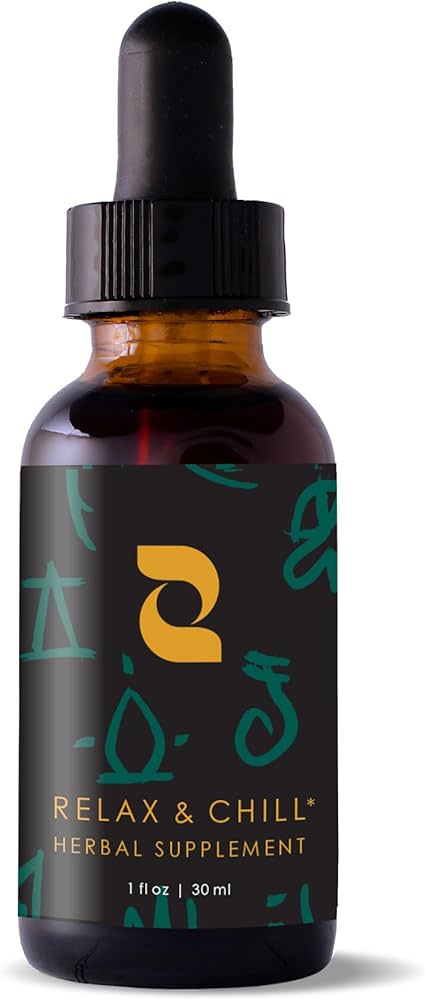
Herbal micro-dosing involves taking sub-therapeutic doses of herbal tinctures – amounts too small to produce noticeable immediate effects. The idea is that these tiny doses, taken consistently over time, can create a cumulative effect, gently modulating physiological processes and promoting overall well-being.
It’s very different from the micro-dosing you might hear about with psilocybin or LSD. That practice aims for perceptible, albeit subtle, psychoactive effects. Herbal micro-dosing is, ideally, subperceptual. The goal isn't to feel anything dramatic, but to support the body’s natural functions without overwhelming them.
Tinctures are the preferred delivery method for several reasons. They offer excellent bioavailability – the alcohol base helps the herbal constituents absorb quickly and efficiently. They’re also incredibly easy to titrate, allowing for precise adjustments to dosage. However, it’s important to acknowledge that this is a relatively new practice, and standardization is still lacking. There aren’t yet universally agreed-upon guidelines for dosage or quality control.
Finding your specific dose
This is where herbal micro-dosing truly becomes an art. There is no one-size-fits-all dosage. Individual variability is immense, influenced by factors like body weight, metabolism, sensitivity, and even the specific batch of the tincture. The guiding principle is to start incredibly low and increase the dose very slowly.
I recommend beginning with just 3-5 drops of a tincture, diluted in water, once or twice a day. Observe how you feel for at least a week before making any adjustments. Keep a detailed journal – record your energy levels, mood, sleep quality, digestive function, and any other relevant observations.
Pay attention to subtle shifts. Are you feeling slightly more grounded? A little less reactive to stress? Is your sleep a bit deeper? These are the kinds of changes you’re looking for. If you notice no effect after a week, you can cautiously increase the dose by 1-2 drops. Continue this process, gradually increasing the dosage until you find the sweet spot – the lowest dose that produces a noticeable, positive effect.
It’s also important to be mindful of decreases in well-being. If you experience any adverse effects, such as digestive upset, headaches, or increased anxiety, immediately reduce the dosage or discontinue use. This is a process of listening to your body and respecting its limits.
Micro-Dosing Herbal Tincture Comparison
| Herb | Primary Benefit (Reported) | Potential Mild Side Effects | Best Time of Day | Synergy Herbs |
|---|---|---|---|---|
| Ashwagandha | Stress Reduction & Calm | Possible drowsiness, mild digestive upset | Morning | Rhodiola, Chamomile, Lavender |
| Holy Basil (Tulsi) | Adaptogen - Supports Resilience | May lower blood sugar slightly, potential for mild digestive issues | Mid-morning | Ginger, Lemon Balm, Gotu Kola |
| Lion's Mane | Cognitive Function & Focus | Rarely, mild digestive discomfort | Late Morning/Early Afternoon | Ginkgo Biloba, Bacopa Monnieri, Cordyceps |
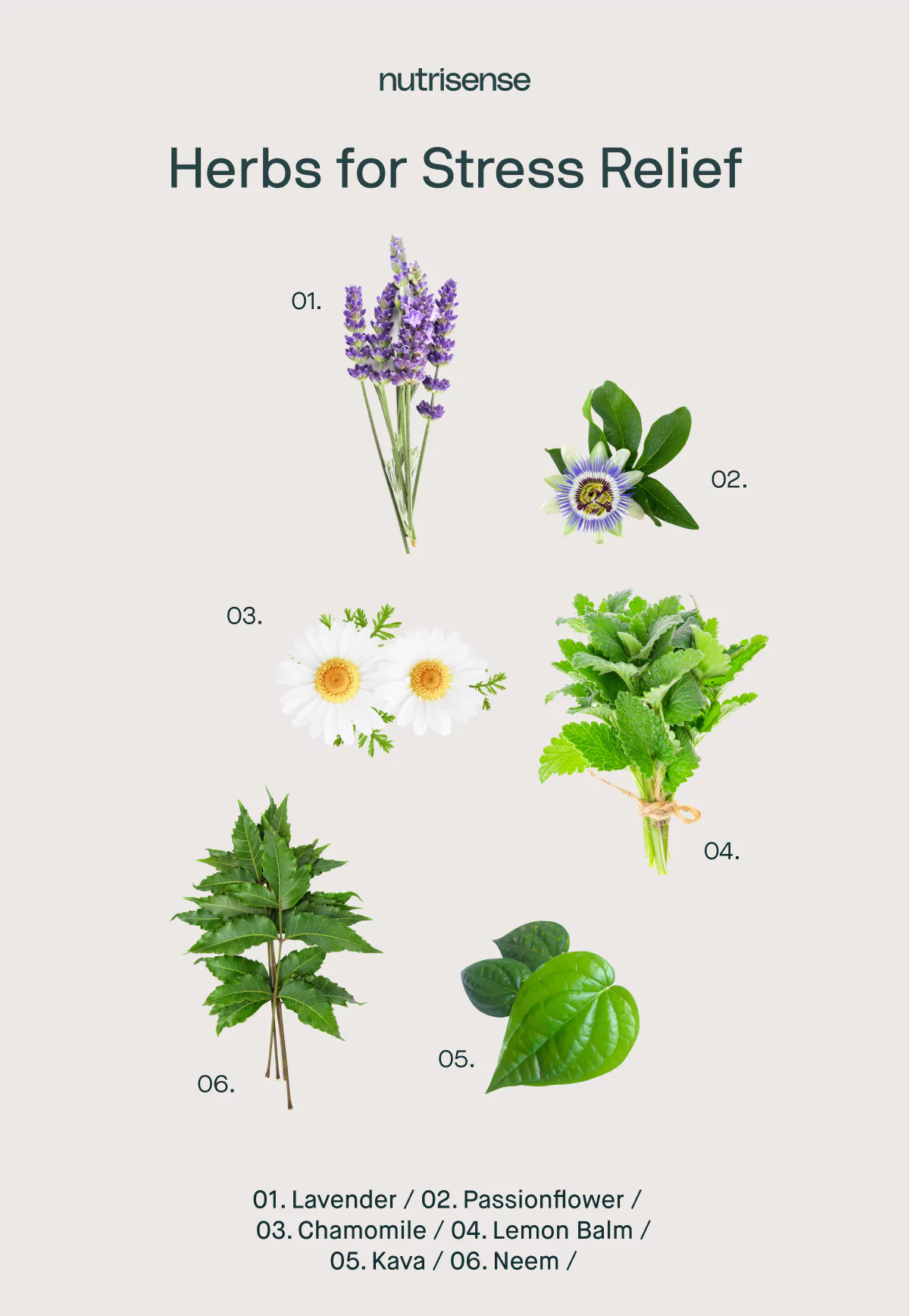
| Lemon Balm | Mood Enhancement & Relaxation | Generally well-tolerated, possible drowsiness in some | Afternoon | Chamomile, Lavender, Passionflower |
| Hawthorn Berry | Cardiovascular Support | May lower blood pressure, potential for mild digestive upset | Morning | Hibiscus, Cayenne (use cautiously), Motherwort |
| Reishi Mushroom | Immune Support & Grounding | Possible mild digestive upset, rare allergic reactions | Evening | Astragalus, Cordyceps, Schisandra |
Qualitative comparison based on the article research brief. Confirm current product details in the official docs before making implementation choices.
Safety and side effects
Herbal tinctures, while generally safe, can interact with certain medications. If you’re taking any prescription drugs, it’s essential to consult with your doctor or a qualified herbalist before starting a micro-dosing regimen. Some herbs can potentiate or antagonize the effects of pharmaceuticals.
Certain conditions also warrant caution. Pregnancy and breastfeeding are generally contraindications for most herbal remedies. Individuals with autoimmune disorders, liver or kidney problems, or a history of allergies should exercise extreme care. Always err on the side of caution.
Buy from people who tell you exactly where the plants grew and how they were extracted. You want organic herbs and a clean solvent. I look for suppliers who publish their batch tests rather than just using buzzwords like 'pure' or 'ethical'.
According to research from pmc.ncbi.nlm.nih.gov, establishing microbiological acceptance criteria and specifications for herbal drugs is crucial for ensuring product safety and efficacy. Pharmacopoeias around the world provide guidelines, but standardization remains a challenge. Paying attention to these standards when choosing a supplier is a smart move.
Where this is going
Looking ahead, the future of herbal micro-dosing is exciting. I envision a shift towards personalized herbal formulations, tailored to individual needs and genetic profiles. Imagine a world where a simple saliva test could identify your specific deficiencies and guide the selection of the most appropriate herbs and dosages.
The growing interest in precision herbalism – the application of scientific principles to herbal medicine – is driving this trend. Advances in analytical chemistry and bioinformatics are allowing us to better understand the complex interactions between herbs and the human body.
Technology will undoubtedly play a role. We may see the development of smart tinctures with integrated sensors that track dosage and monitor physiological responses. Apps could provide personalized recommendations and track progress over time.
While challenges remain – standardization, regulation, and the need for more rigorous research – the potential benefits of herbal micro-dosing are too significant to ignore. It's a movement that’s tapping into a deep-seated desire for a more holistic, personalized, and sustainable approach to wellness.
Most homes run on one overhead light.
— Flatiron-Home (@FlatironHome) March 29, 2026
The ones that actually restore you? Three layers.
Ambient. Task. Accent.
New guide → The Art of Light Layering 🕯️✨
Spa-inspired glow framework + 2026 wellness trends.
Flatiron Home blog — link in bio.#LightLayering #SanctuaryLiving… pic.twitter.com/u1xIBvFWCi
No comments yet. Be the first to share your thoughts!